Tech news today centers on the costs and consequences of building and running digital platforms. AI infrastructure, device security, and product strategy all come into focus, while game development and consumer software show how quickly companies are reworking their bets. Elon M...
Tech news today centers on the costs and consequences of building and running digital platforms. AI infrastructure, device security, and product strategy all come into focus, while game development and consumer software show how quickly companies are reworking their bets.
Elon Musk is restricting access to Grok, the AI bot tied to X, after saying its operating costs are too high relative to the money it brings in. The change follows complaints from users who hit usage caps earlier than expected and underscores the expense of running consumer AI services at scale.
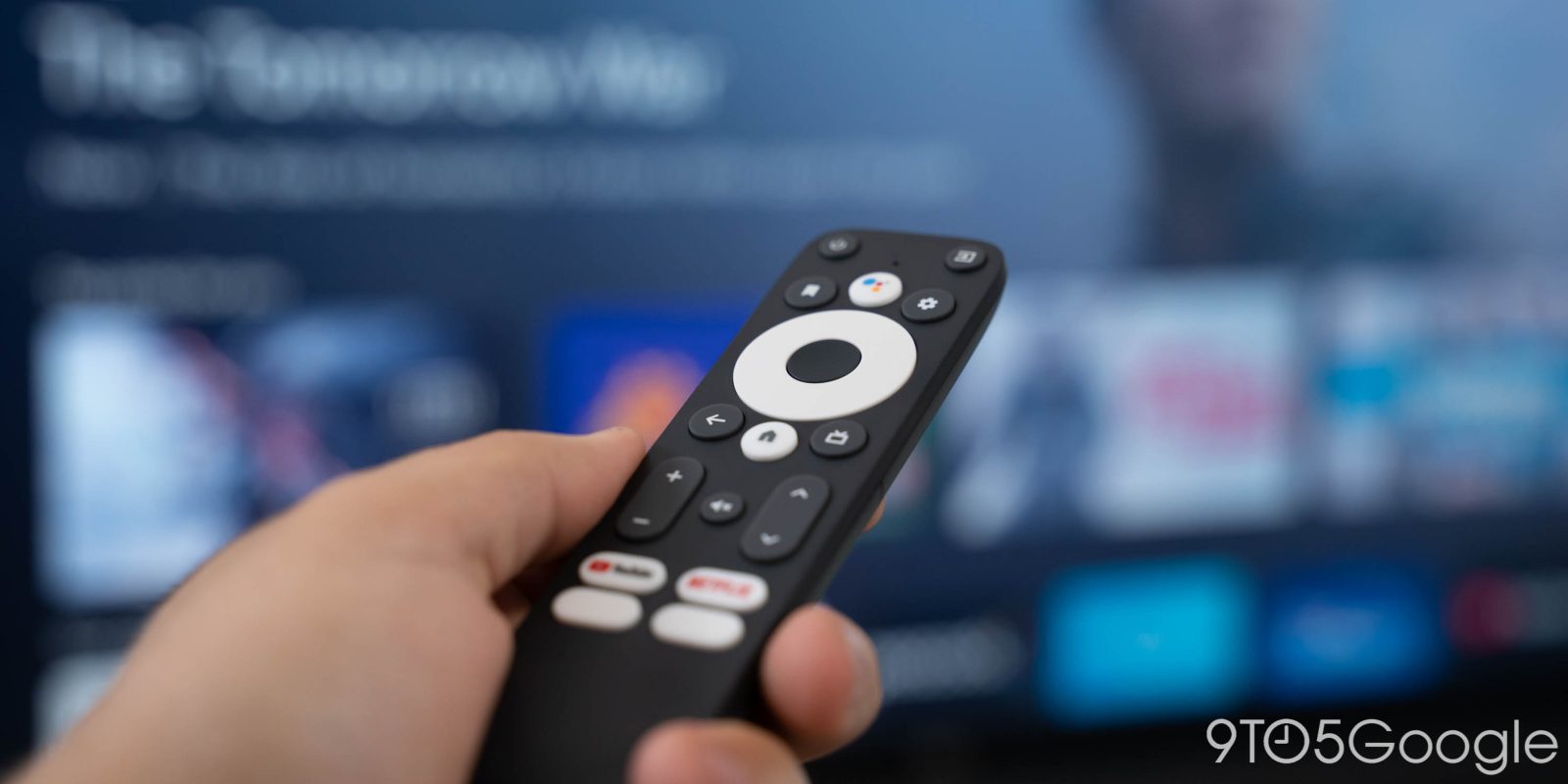
Google says it has disrupted XCPE, a malware backdoor embedded in the firmware of some Android TV set-top boxes and Google TV devices. The company says it cut off servers used to control the botnet, took wider security steps across the ecosystem, and banned the device maker linked to the operation.
OpenAI is considering rebranding data centres as “AI compute campuses” as it tries to make its infrastructure sound more acceptable to the public. The proposed shift reflects growing sensitivity around how AI facilities are perceived, especially as companies expand the physical footprint needed to support their models and services.
Nagoshi Studio is shutting down, and its unannounced PlayStation 5 project, Gang of Dragon, is cancelled. The studio founded by Yakuza creator Toshihiro Nagoshi closes on October 31 after months of uncertainty tied to reduced support from NetEase, ending a closely watched venture in big-budget game development.
Canva is releasing a free iPad version of Affinity that combines vector design, photo editing, sketching, and page layout in one app. Built for touch controls and Apple Pencil use, it also supports the same kinds of files used on desktop, giving users a more portable version of the company’s creative toolkit.
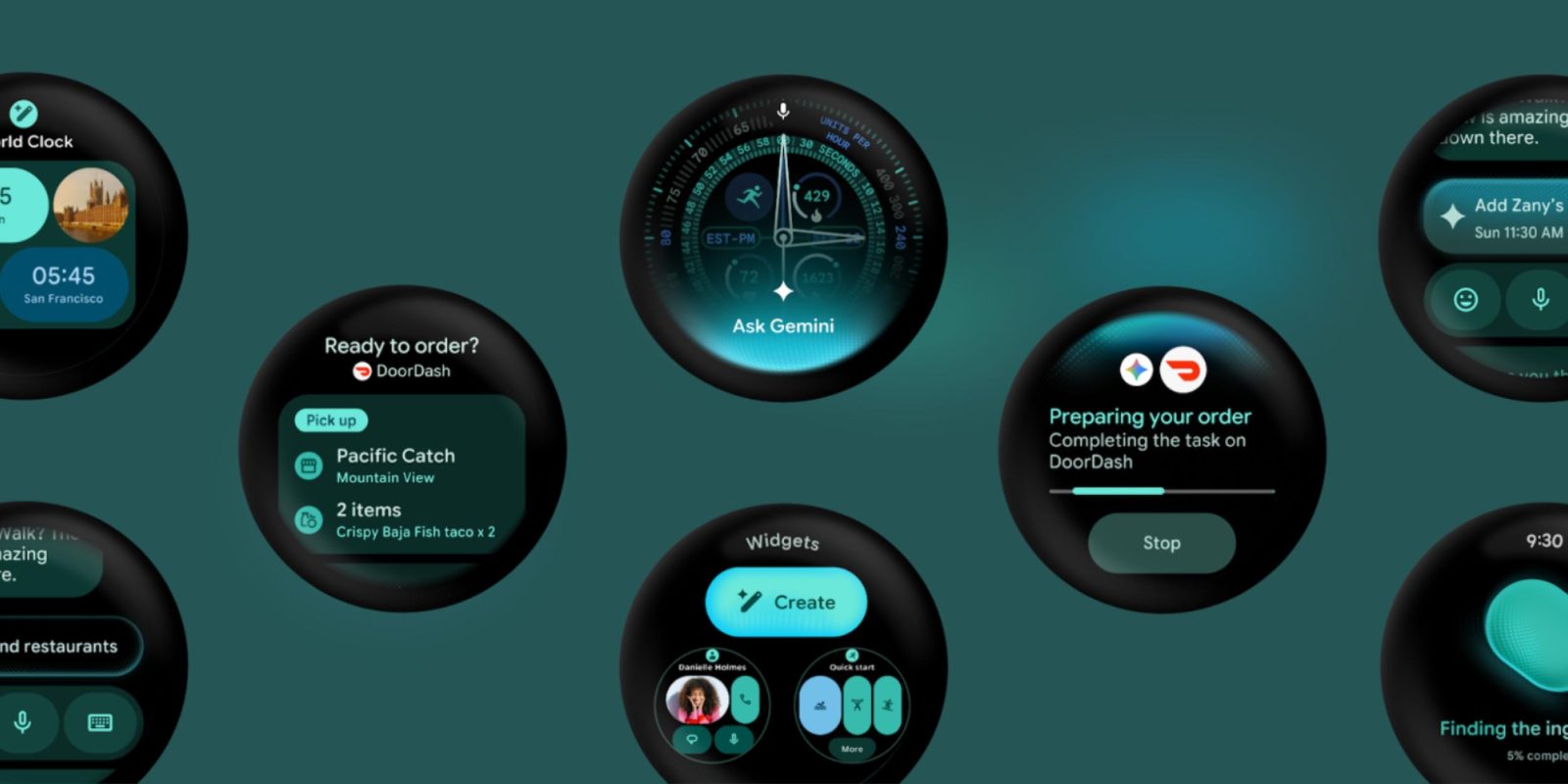
Google is preparing a phone-style system status bar for Wear OS and has confirmed the feature through canary developer tools. The design aims to keep the time and other key indicators visible when needed without permanently sacrificing screen space, pointing to a broader refinement of the smartwatch interface.
Google is rolling out redesigned icons for Phone, Messages, and Contacts, replacing flatter looks with new gradients. The update is meant to make the apps appear clearer and more consistent on home screens, continuing the company’s steady visual refresh of core Android and Google service branding.
Google Search is adding a Zelda: Ocarina of Time Easter egg that turns a query for the game into a small nostalgia feature. Users who click a Master Sword icon are taken into a 1998-style Google experience, blending a game reference with a retro look at the early web.



Top Tech stories
- Elon Musk limits Grok Bot usage after citing unsustainably high operating costs (9 sources)
- Google’s Ocarina of Time Easter egg sends users back to 1998 search results (8 sources)
- OpenAI considers renaming data centres as “AI compute campuses” amid public backlash (7 sources)
- Google disrupts XCPE Android TV botnet; says Videostrong built a firmware backdoor (7 sources)
- Google confirms a Wear OS system status bar for later releases, shown in canary testing (6 sources)
- OpenAI to merge ChatGPT chat and Work tabs and introduce shared usage limits (6 sources)
- Canva releases free Affinity app for iPad with Sketch Studio, photo and layout tools (6 sources)
- Google rolls out gradient icon redesigns for Phone, Messages, and Contacts (5 sources)
Finn Feedman
Author at IfHighLow