Global health news is shaped by two forces today: widening access to lifesaving care and the continuing toll of serious outbreaks and chronic disease. Regulators and health systems move to improve prevention and early detection, even as Ebola, bird flu, advanced HIV and cancer un...
Global health news is shaped by two forces today: widening access to lifesaving care and the continuing toll of serious outbreaks and chronic disease. Regulators and health systems move to improve prevention and early detection, even as Ebola, bird flu, advanced HIV and cancer underscore how high the stakes remain.
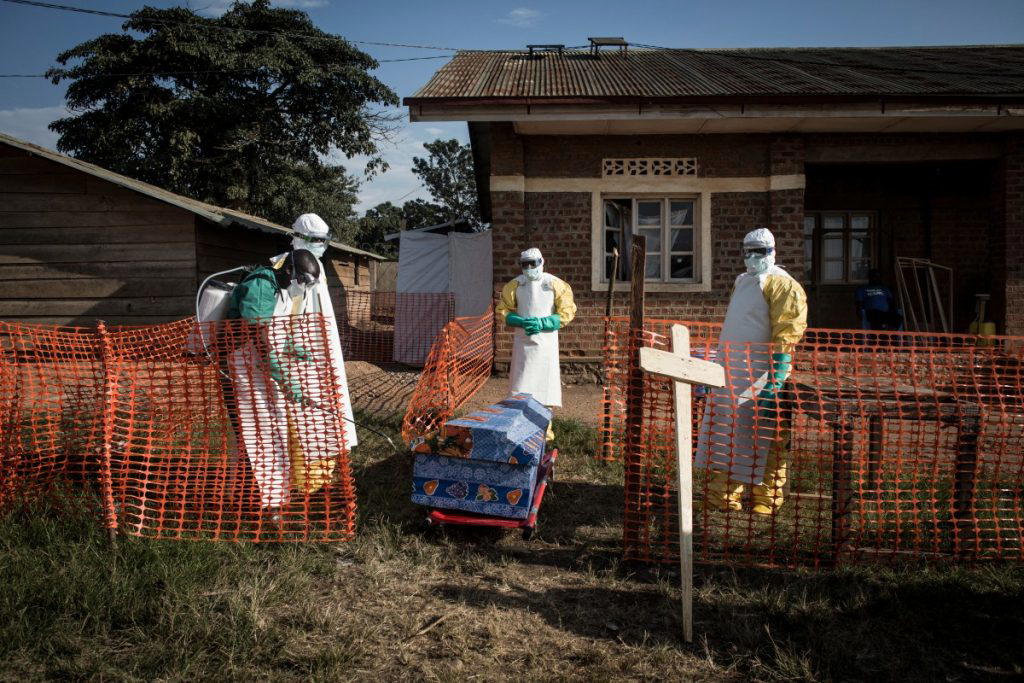
An Ebola outbreak centered in the Democratic Republic of Congo has now killed more than 5,300 people, according to Africa CDC. The death toll makes it one of the world’s most severe current health emergencies, with the vast majority of fatalities in DRC as authorities continue to confront a prolonged and deadly epidemic.
The United States has recorded its first human bird flu death of 2026 amid an outbreak that continues to spread in dairy cattle. The death involves a dairy worker, highlighting the occupational risk tied to the livestock outbreak and intensifying concern about the virus’s impact beyond infected herds.
The FDA has approved a low-cost generic version of lenacapavir, a twice-yearly injection used to prevent HIV, in a step aimed at expanding access in lower-income countries. The decision could speed availability in poorer markets and lower barriers to a long-acting prevention option that requires only two doses a year.
NHS England is rolling out a standardised paediatric early warning system in emergency departments nationwide to help clinicians spot when a child’s condition is getting worse. The tool is designed to prompt faster escalation and more urgent care when signs suggest a child may be deteriorating quickly.
A study in Guyana finds that about one in five adults with advanced HIV has at least one serious opportunistic infection caused by severe immune suppression. Researchers also find that around one-third of those infections appear in people without obvious symptoms, underscoring the need for vigilant screening in high-risk patients.
Research presented at an American Heart Association meeting links energy drinks and stimulant supplements to serious cardiovascular events in young adults, including heart attacks and cardiac arrest. The findings show these products appear more often among people who experience such events, adding to concerns about their potential heart risks.
Michael Wilbon is taking an indefinite leave from ESPN’s “Pardon the Interruption” and other ESPN and ABC duties because of multiple health issues. The veteran broadcaster says he is stepping away from his on-air roles to focus on his health, without giving a timeline for his return.
Irish Olympian Ciara Mageean is speaking publicly about living with stage-four cancer as she prepares for life after sport. She describes the practical and emotional strain of treatment and the shock of confronting a diagnosis that abruptly changes how she sees time, competition and the future.





Top Health stories
- US FDA approves generic lenacapavir twice-yearly HIV prevention injection for lower-income countries (11 sources)
- NHS rolls out paediatric early warning system in A&E across England (6 sources)
- Study links energy drinks and stimulant supplements to cardiovascular events in young adults (3 sources)
- Study finds opportunistic infections in about one-fifth of advanced HIV patients in Guyana (3 sources)
- AI-wearable approach may flag hypertensive crisis up to three days ahead (2 sources)
- NHS England lists 29 Palantir-benefiting trusts while some report little or no use (2 sources)
- Ciara Mageean opens up about stage-four cancer battle while preparing for life after sport (2 sources)
- New national standards expand regulation of community mental health centres (2 sources)
Paige Webley
Author at IfHighLow