Science news is led by a stark climate warning: researchers and UN-backed bodies say breaching 1.5°C risks lasting damage to the planet’s frozen systems, even as institutions push new tools and leadership for adaptation and climate action. Elsewhere, scientists report findings th...
Science news is led by a stark climate warning: researchers and UN-backed bodies say breaching 1.5°C risks lasting damage to the planet’s frozen systems, even as institutions push new tools and leadership for adaptation and climate action. Elsewhere, scientists report findings that stretch from ancient biomolecules in dinosaur bone to unexpected animal behavior and new ways to engineer materials.
UN-backed assessments warn that warming beyond 1.5°C could trigger widespread and effectively irreversible damage across the cryosphere, including glaciers, sea ice and other frozen regions. The reports emphasize that risks rise not only with long-term warming but also with overshooting that threshold, underscoring the urgency of cutting emissions quickly.
Mary Robinson is elected to lead an international climate organisation, giving the former Irish president a new role in coordinating support and finance for climate action. Her appointment places a high-profile figure at the head of a body focused on helping drive global responses to climate change.
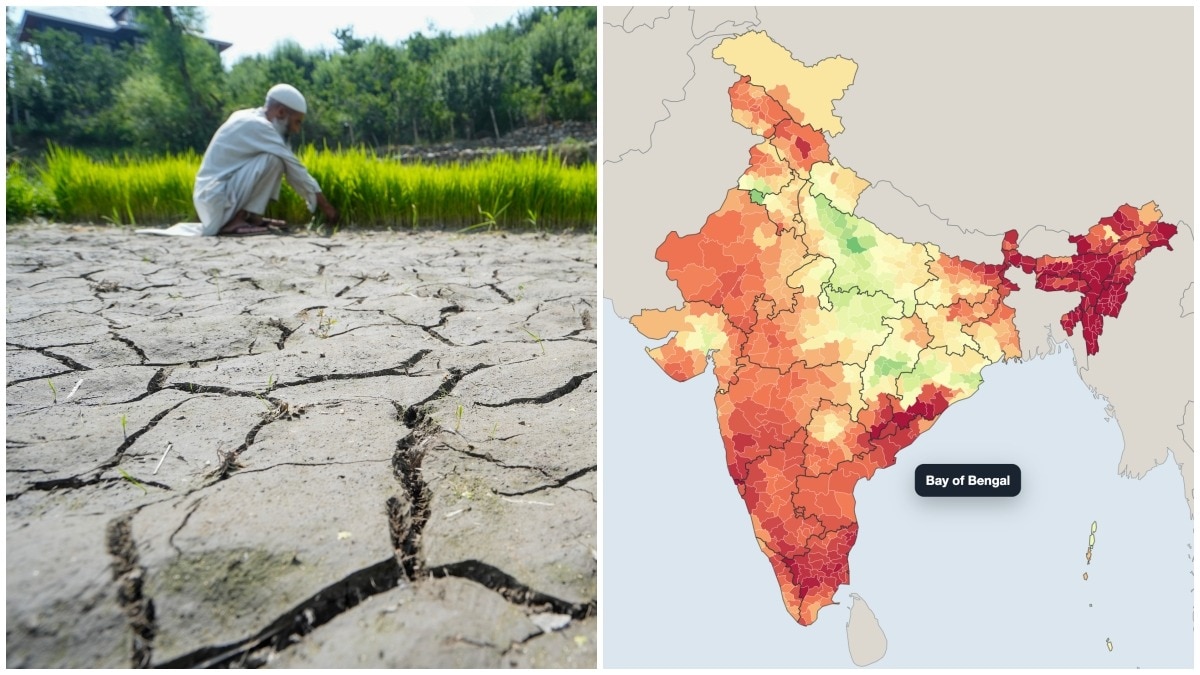
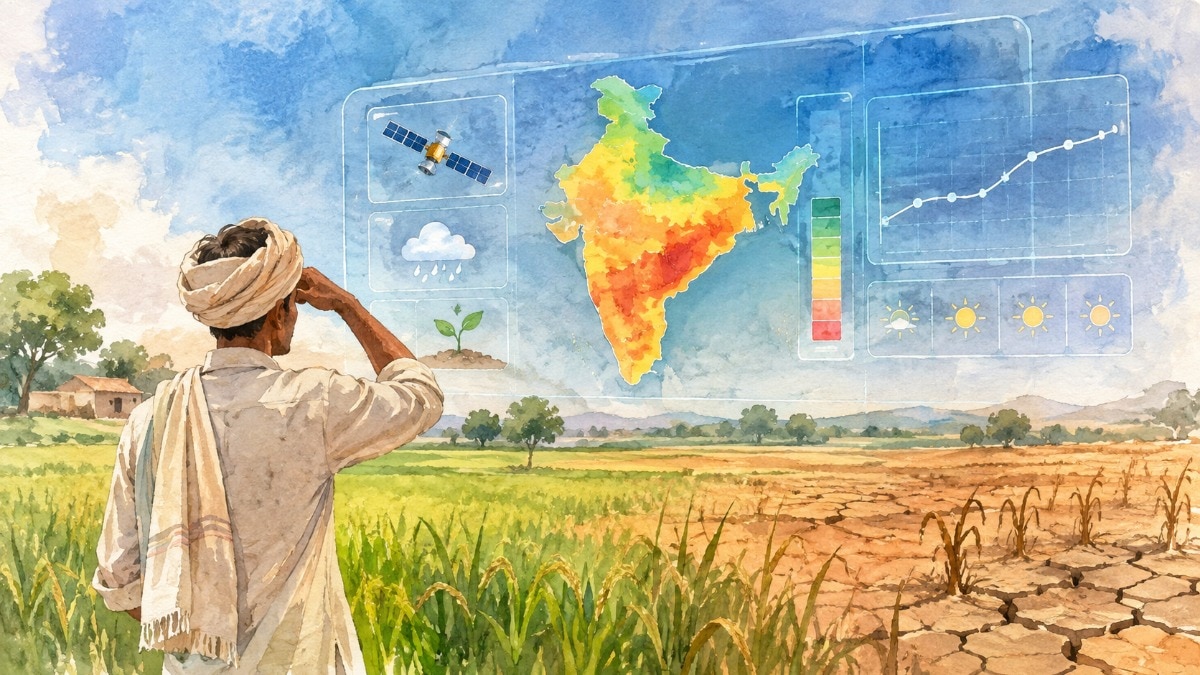
IIT Bombay launches KrishiDrought.in, a public portal that issues weekly agricultural drought forecasts across India. The system is designed to flag emerging dry conditions up to four weeks ahead and provides district-level outputs, with the aim of giving farmers and planners earlier warning of drought risk.
Scientists examining 115-million-year-old dinosaur bone from Brazil identify microscopic structures they interpret as possible red blood cells, along with chemical signatures consistent with heme. The work focuses on hind-leg fossils from Aratasaurus, a small predatory dinosaur, and adds to continuing efforts to test how much original biological material can persist in ancient remains.
Researchers describe a way to build designer materials by using flexible connector molecules to organize nanoparticles into planned structures. Because nanoparticles can be tuned for different properties, the method could offer finer control over how these tiny components assemble, opening new possibilities for custom material architectures.
Claims by OpenAI and Anthropic that their AI models have disproved the exponential time hypothesis prompt a strong reaction from scientists, who describe shock and uncertainty about the implications for theoretical work. The episode highlights how advances in AI are beginning to challenge long-standing assumptions in mathematics and computer science.
Scientists document a recurring same-sex bond between a bull and a male donkey in Ethiopia, describing repeated sexual and affiliative behavior between the pair. Observers say the animals repeatedly choose each other even when female partners are available nearby, adding to evidence of diverse social and sexual behavior in animals.
The SNP proposes using £5 billion in projected oil and gas revenues to support the Acorn carbon capture project. The plan would redirect part of an energy-related windfall toward carbon capture infrastructure, framing the move as a way to channel fossil-fuel revenues into emissions-reduction efforts.



Top Science stories
- Scientists document recurring same-sex bonding between a bull and male donkey in Ethiopia (7 sources)
- Studies report molecular and cellular traces of dinosaur blood in 115-million-year-old Brazilian bone (7 sources)
- UN warns of irreversible cryosphere damage if warming exceeds 1.5°C (5 sources)
- Flexible connector molecules help build designer nanoparticle-based materials (2 sources)
- SNP calls for £5bn oil and gas revenues to fund Acorn carbon capture project (2 sources)
- Scientists react after AI models challenge the exponential time hypothesis (2 sources)
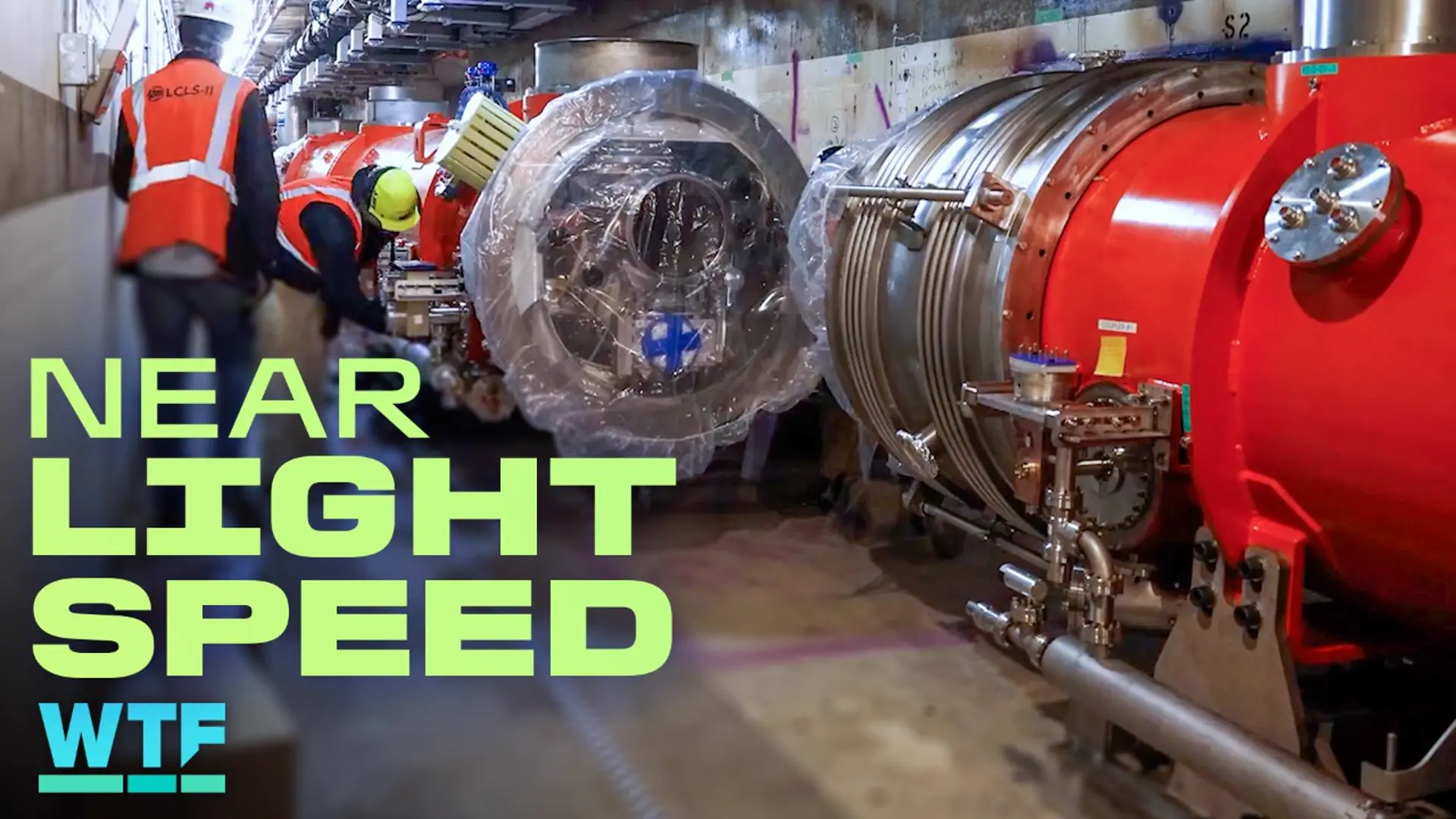
- LCLS-II X-ray laser captures real-time “molecular movies” of chemical reactions (2 sources)
- Researchers identify RNA-protein interaction targets for potential coronavirus antivirals (2 sources)
Scott Scoop
Author at IfHighLow