Tech’s day is defined by a split between convenience and control. Companies are pushing AI deeper into everyday devices, shopping, and personal computing, even as new reporting raises fresh questions about surveillance, platform power, and how closely digital systems should track...
Tech’s day is defined by a split between convenience and control. Companies are pushing AI deeper into everyday devices, shopping, and personal computing, even as new reporting raises fresh questions about surveillance, platform power, and how closely digital systems should track people’s behavior.
Researchers link a spyware campaign to an Israeli advertising technology firm, saying malicious code is delivered through highly targeted online ads. The technique can execute when an ad loads, without any click from the user, turning ordinary web advertising into a covert infection path for mercenary surveillance tools.
Meta releases Muse Spark Open, an open-weight AI model built to run locally on Apple M5 Ultra Macs instead of in a data center. The company positions it for coding and agent-style tasks, highlighting a push toward powerful on-device AI that gives developers more direct control over where models run.
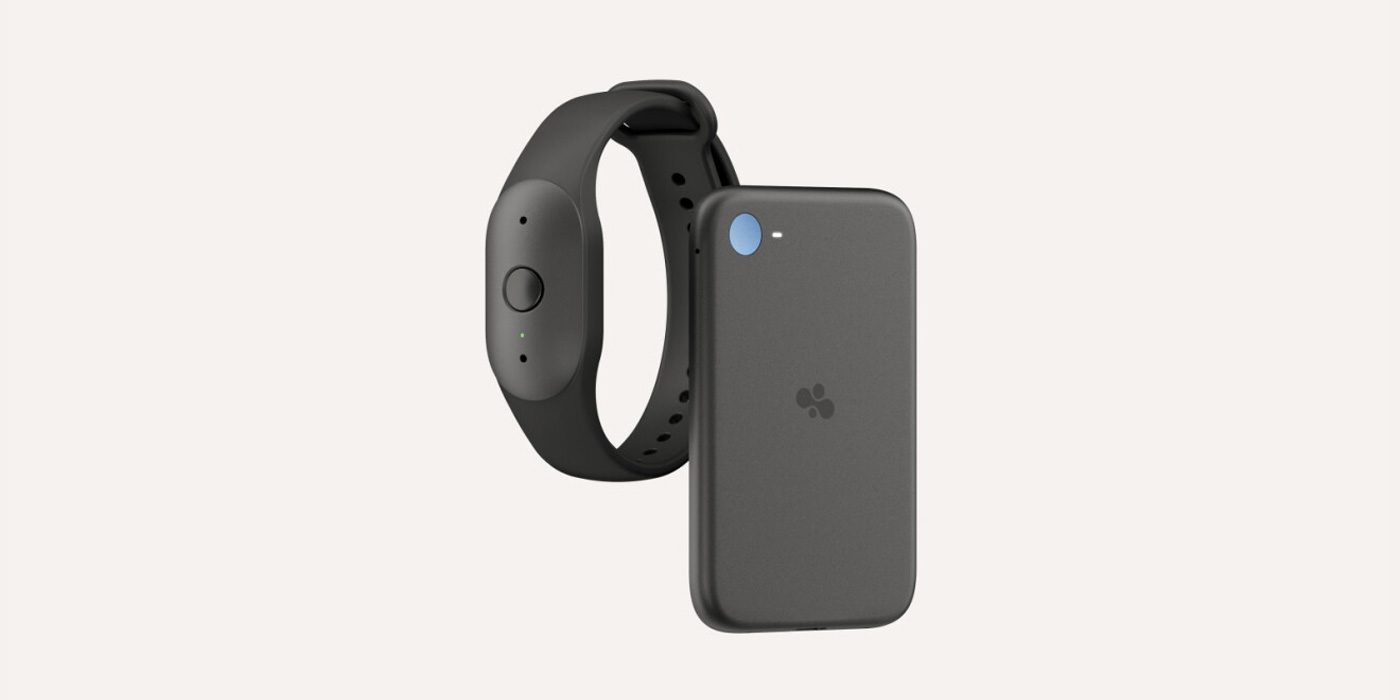
Amazon launches two new Bee devices that continuously listen to conversations and turn them into summaries, reminders, and follow-up items. One is a wearable called Bee Frontier, and the other is the phone-mounted Bee Eclipse, extending personal AI from apps into always-near hardware designed to capture daily life.
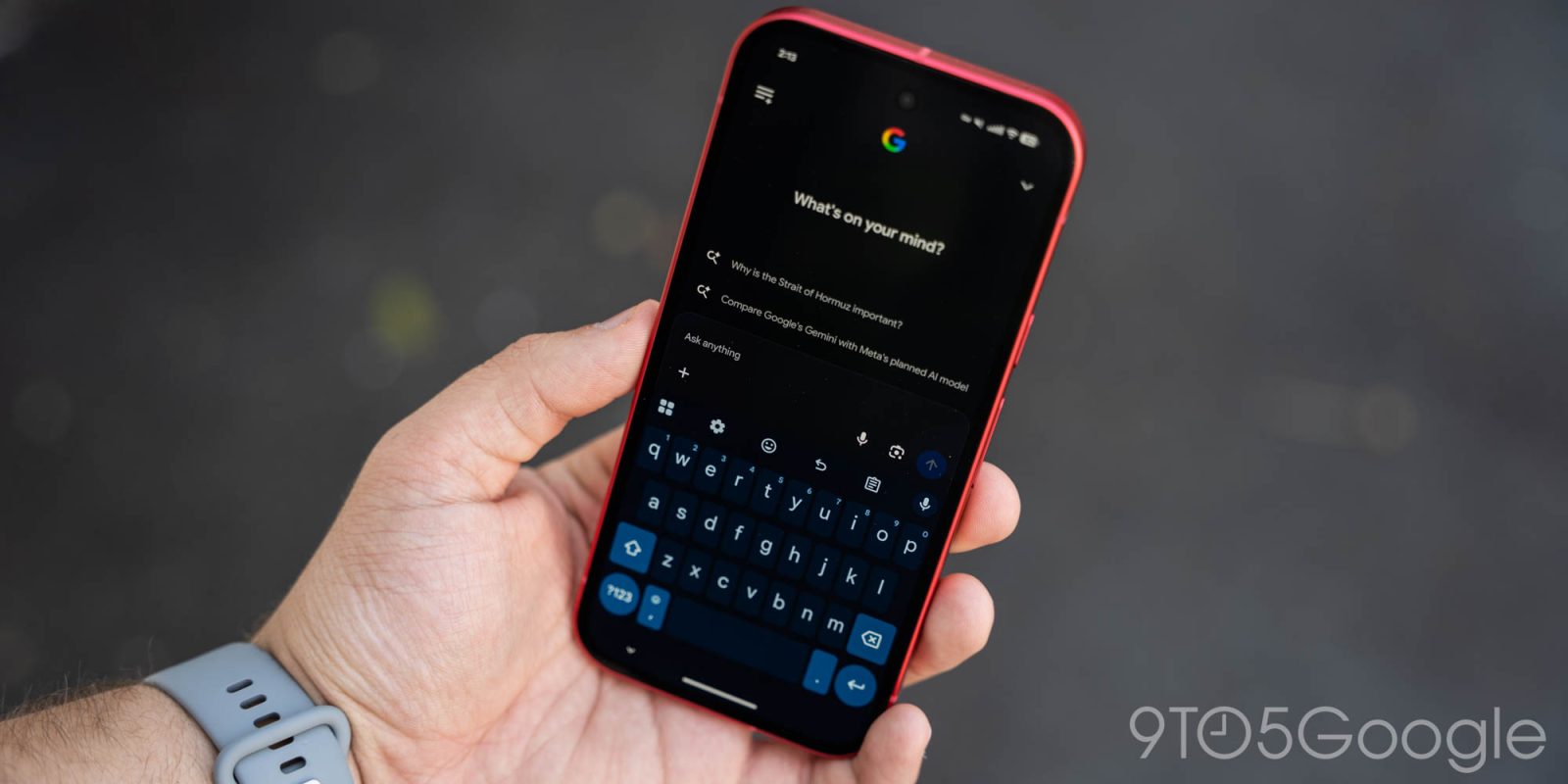
Google starts rolling out Universal Cart in the United States across Search and Gemini, letting users collect products from different retailers in one place. The feature tracks availability and price changes and connects to Google’s checkout flow, keeping more of the shopping journey inside Google’s own ecosystem.
India orders telecom operators to introduce caller name display on 4G and 5G networks from November 1, 2026. The CNAP system will show a caller’s registered name alongside the phone number, in an effort to make incoming calls easier to identify and cut down on unknown-number contact.
YouTube is in talks to bring audiobooks into YouTube Premium, potentially expanding the subscription beyond ad-free video and music benefits. Discussions with publishers suggest Google is exploring another way to make Premium a broader media bundle and compete more directly for listening time.
ASUS brings out the ROG Xbox Ally X20 handheld, with early attention centered on a larger OLED display and broader hardware redesign. The launch keeps pressure on the portable gaming market by refining the Windows-based handheld formula rather than changing it outright.
House House says it will not release Big Walk on Xbox, tying the decision to the BDS movement’s boycott of Microsoft. The stance turns a platform release choice into a political one, showing how geopolitical activism is increasingly shaping parts of the games business.


Top Tech stories
- Amazon unveils Bee Frontier wearable and Bee Eclipse phone device that summarize conversations (18 sources)
- Spyware delivered via targeted online ads linked to Israeli ad firm, researchers say (17 sources)
- Meta launches Muse Spark Open, an 816B open-weight AI model for local Mac Studio use (17 sources)
- Google begins rolling out Universal Cart in the US across Search and Gemini (7 sources)
- ASUS ROG Xbox Ally X20 launches with bigger OLED screen and new features (7 sources)
- India to mandate caller name display (CNAP) on 4G and 5G from November 1, 2026 (7 sources)
- Big Walk developers refuse Xbox release, citing BDS boycott of Microsoft (6 sources)
- YouTube in talks to add audiobooks to YouTube Premium, says WSJ (6 sources)
Logan Blogger
Author at IfHighLow