Today’s health news spans both immediate risks and longer-term pressures on care. Health officials confront rare infectious threats and gaps in vaccine development while governments, schools and employers wrestle with how policy, costs and new research shape treatment, prevention...
Today’s health news spans both immediate risks and longer-term pressures on care. Health officials confront rare infectious threats and gaps in vaccine development while governments, schools and employers wrestle with how policy, costs and new research shape treatment, prevention and everyday wellbeing.
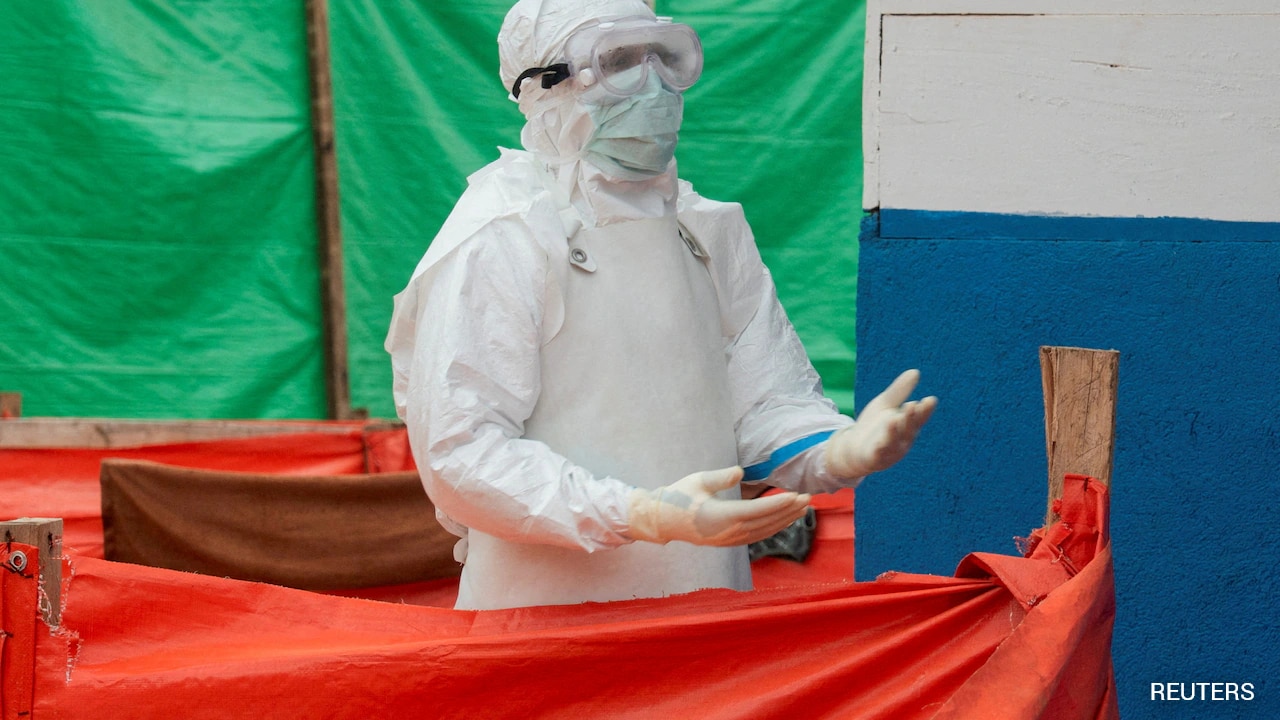
Africa CDC says there is no approved vaccine for the current Bundibugyo Ebola outbreak, highlighting a major gap in outbreak preparedness. The agency says vaccine development has lagged because the strain draws less international investment than other Ebola types, leaving health authorities without a licensed shot tailored to this outbreak.
France records the first documented human case of Shamonda virus after a severely immunocompromised patient dies. Authorities describe the infection as an exceptional event and say the virus has previously been identified in livestock rather than people, adding that they see no wider public health risk at this stage.
Employer-sponsored health insurance costs keep climbing, putting pressure on workers’ paychecks and business budgets. Average annual family coverage now tops $28,000, with small businesses facing particular strain as rising premiums make it harder to absorb costs or continue offering affordable benefits.
A new Alzheimer’s trial backed by Prime Minister Andy Burnham tests whether medicines already used for ADHD and diabetes can be repurposed for dementia treatment. Researchers hope using existing drugs can shorten development timelines and, if results are positive, speed access to effective therapies through the NHS.
New ONS survey data estimate that 9.6% of adults aged 16 and over in England and Wales experienced domestic abuse in the year to March 2026. The finding marks a notable rise and adds to concern about the scale of harm affecting millions of people.
Pressure is building to abolish prescription charges in England before the Budget, with pharmacy leaders and health groups arguing the fees deter some patients from collecting essential medicines. Campaigners say removing the charges would improve access to treatment and reduce avoidable health problems linked to missed medication.
Some schools are banning caffeine pouches over concerns about student health and development. The small packets, placed between the lip and gum, are marketed for energy and focus but can deliver high doses of caffeine in a discreet form that educators worry is easy for children to use unnoticed.
Research suggests petting a dog after a stressful experience may help people cope better with later stress. The findings add to broader evidence linking interaction with dogs to improved wellbeing and point to a simple, non-medical way that animal contact may support emotional resilience.




Top Health stories
- France reports first human Shamonda virus case; patient dies, officials see no public health risk (40 sources)
- Africa CDC says no approved Bundibugyo Ebola vaccine due to limited global interest (4 sources)
- Andy Burnham backs trial testing ADHD and diabetes drugs in Alzheimer’s study (4 sources)
- Rising job-based health insurance costs strain workers and small businesses (3 sources)
- Calls to scrap England prescription charges grow ahead of Budget (2 sources)
- ONS survey finds 9.6% of adults in England and Wales experienced domestic abuse (2 sources)
- CDC declines Western states’ request to validate a high-volume measles test (2 sources)
- How fake tan works and why it can smell like cookies or toast (2 sources)
Penny Post
Author at IfHighLow