Science news today spans both long-range risks and long-shot claims: researchers push for earlier warnings on climate swings and hidden chemical exposure, while other studies probe everything from cancer-fighting immune cells to unusually fast bird brains. The mix is one of pract...
Science news today spans both long-range risks and long-shot claims: researchers push for earlier warnings on climate swings and hidden chemical exposure, while other studies probe everything from cancer-fighting immune cells to unusually fast bird brains. The mix is one of practical forecasting and health questions alongside eye-catching results that test the boundaries of what labs can do.
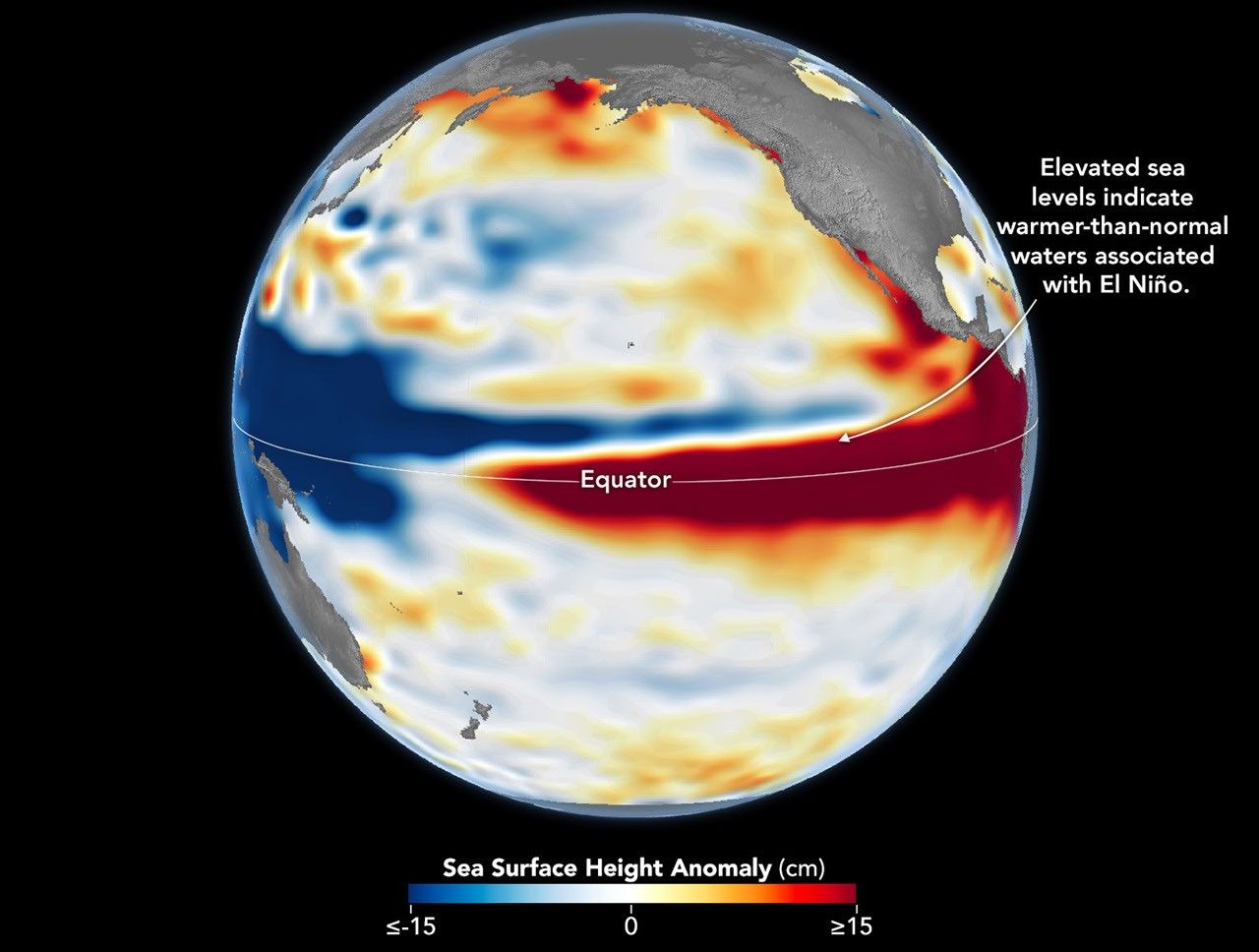
Scientists identify conditions that may allow some El Niño and La Niña events to be forecast as much as a year in advance. The work could extend warning times for climate disruptions tied to these Pacific Ocean patterns, giving governments, farmers and emergency planners more time to prepare for drought, flooding and other weather extremes.
This year’s El Niño is being weighed against some of the strongest recent events, including 1997–98 and 2015–16, because of its potential to reshape weather worldwide. Past major El Niños have brought heavy rain and coastal flooding in Southern California, crop-damaging drought in southern Africa, and heightened fire risk in Indonesia and the Amazon.
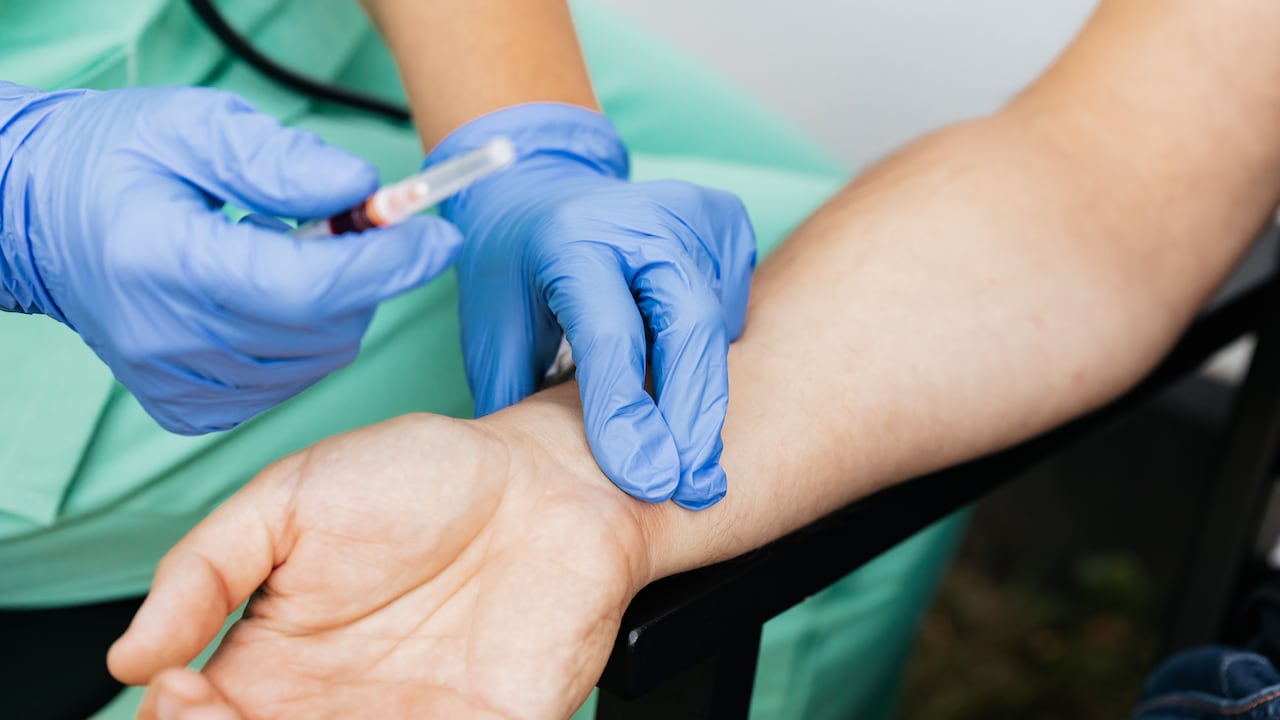
A new study suggests PFAS contamination in U.S. drinking water may be more than twice as high as official estimates indicate. The researchers reanalyze federal monitoring data and argue that common methods for handling measurements below laboratory reporting limits can understate the presence of these persistent chemicals in public water supplies.
Researchers identify gamma delta T cells as a promising immune defense against small-cell lung cancer, an aggressive disease with limited treatment options. The studies show these cells can recognize and kill tumour cells, and they link higher levels of the immune cells with better patient outcomes, pointing to possible new therapeutic strategies.
Marathon Fusion says it has turned mercury into stable gold by exposing it to fusion-related neutrons, reviving a centuries-old idea of transmutation in a modern nuclear setting. The startup claims a production rate well above a recent benchmark and says it demonstrated the process last month, though the result remains an extraordinary one.
Scientists report that ancient viral DNA embedded in chimpanzee genomes may influence the activity of a gene tied to brain-related development. The finding suggests remnants of long-ago infections can persist as functional parts of the genome, offering a new angle on how viral insertions may have shaped primate evolution.
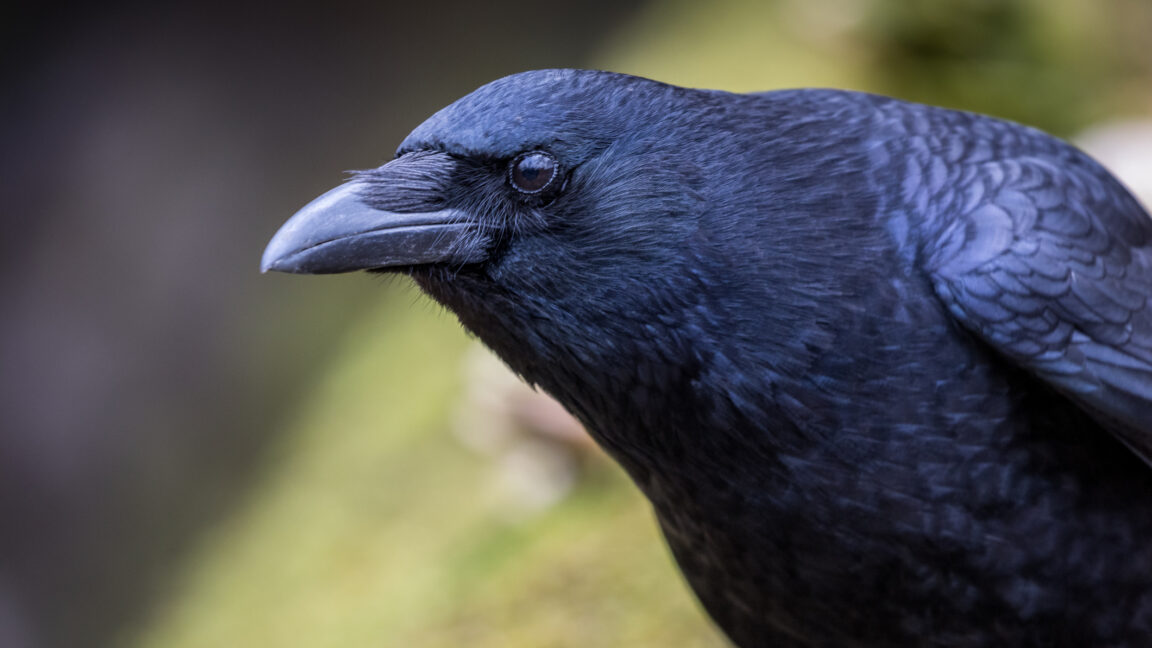
New studies find that crows can turn visual information into decisions roughly twice as fast as humans and other primates. The work points to exceptionally rapid visual processing in carrion crows and adds to evidence that bird intelligence can rely on neural systems that achieve sophisticated performance without mammalian brain architecture.
Researchers examining autumn’s biological effects say shorter days and cooler conditions can alter sexual behaviour across species, with humans included in the broader pattern. The work links seasonal cues to shifts in mating-related behaviour, highlighting how changes in light, temperature and environment continue to shape biology even in modern settings.


Top Science stories
- US startup Marathon Fusion claims it converted mercury into stable gold using fusion neutrons (4 sources)
- Studies find crows process visual information about twice as fast as mammals (3 sources)
- Ancient viral DNA in chimps may have affected genes linked to human brain development (3 sources)
- Study says PFAS in U.S. drinking water could be more than twice reported levels (3 sources)
- NASA and scientists compare this year’s El Niño with major past events (2 sources)
- Singapore launches S$143 million initiative to develop industrial decarbonisation technologies (2 sources)
- Researchers identify gamma delta T cells that can target small-cell lung cancer (2 sources)
- Scientists identify conditions to predict some El Niño events a year in advance (2 sources)
Drew Drafton
Author at IfHighLow