Science news today centers on how observation sharpens understanding, from stark warnings about ecosystems under climate stress to new looks at stars, ancient life and living species that had slipped from view. The day’s stories also point to research that links long-term pattern...
Science news today centers on how observation sharpens understanding, from stark warnings about ecosystems under climate stress to new looks at stars, ancient life and living species that had slipped from view. The day’s stories also point to research that links long-term patterns, whether in brain development or animal movement, to later outcomes.
A global IUCN assessment warns that 96% of shallow-water coral reefs face a critical risk of collapse by 2075. The finding points chiefly to ocean warming and more frequent marine heatwaves that drive mass bleaching. Reefs underpin fisheries, shelter marine biodiversity and help protect coastlines from erosion and storm damage.
A long-term study finds that patterns of brain development in childhood can help predict which teenagers later experience depression and anxiety. By tracking participants over multiple years, researchers link differences in brain maturation with later mental health outcomes, raising the prospect of earlier identification of young people at higher risk.
The James Webb Space Telescope releases new infrared images of stellar nurseries, including the star-forming region NGC 7129 about 3,300 light-years away in Cepheus. Webb’s instruments peer through dust that blocks visible light, revealing many young stars and giving scientists a clearer view of how stars form and develop in their earliest stages.
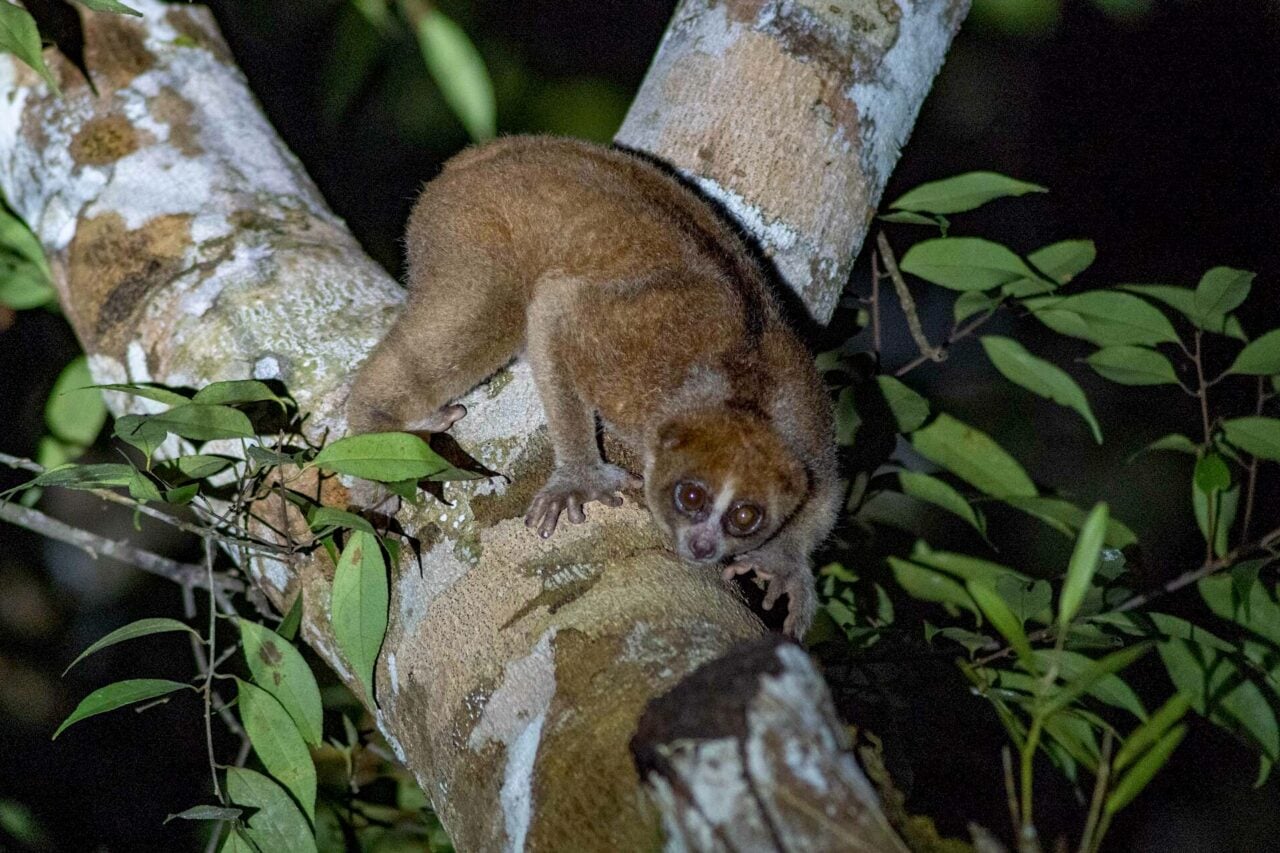
The Bangka slow loris, a critically endangered venomous primate from Indonesia, is confirmed to still survive after decades without scientific records. Staff at the Alobi Wildlife Rescue Center verify the animal’s identity after reports from local residents who spotted it in places such as gardens and along roads, prompting further investigation.
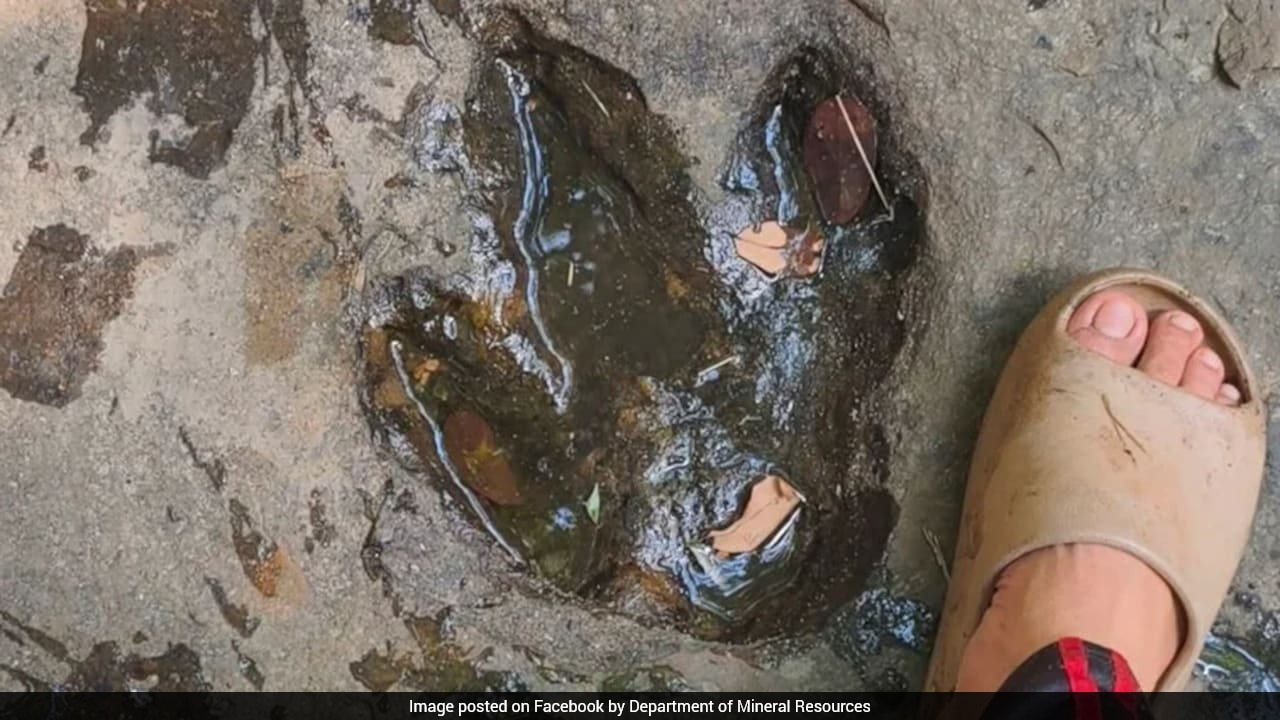
Tourist photographs help lead researchers to 120-million-year-old dinosaur footprints in Thailand’s Phu Phrabat National Park. Unusual marks seen near a stream were posted online, drawing scientific attention. Research teams then examined the site and confirmed that the impressions are ancient footprints dating to the age of dinosaurs.
Multi-year tracking of manta rays shows that movement patterns change with age. Young manta rays tend to stay close to shore, while adults range much farther and can make long-distance journeys. The findings give researchers a clearer picture of how habitat use shifts over the animals’ life cycle.
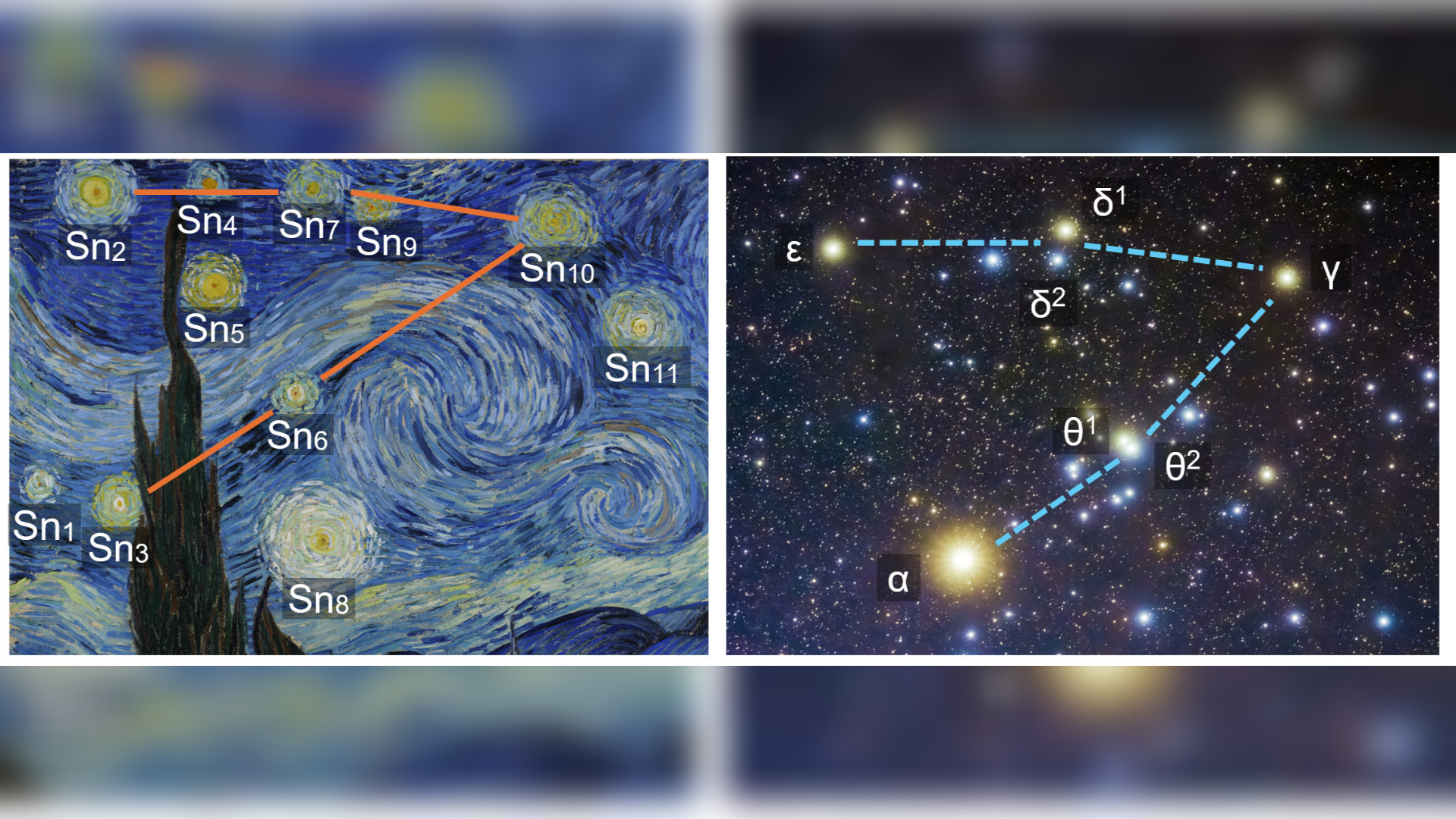
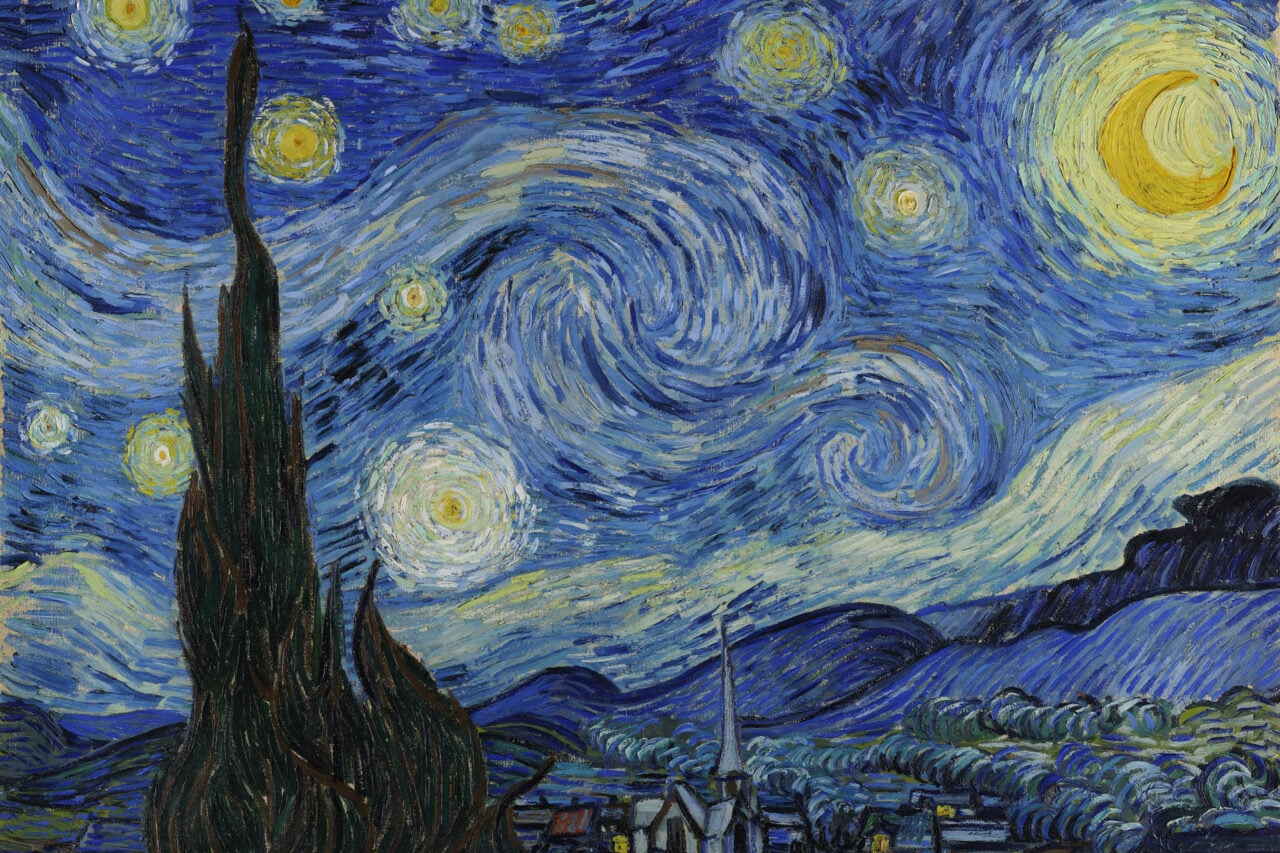
Researchers say Vincent van Gogh’s “The Starry Night” appears to match a real sky seen in July 1889 rather than an entirely imagined scene. By comparing the painting’s celestial arrangement and the moon’s shape with astronomical data, they narrow the work to a specific view from the period when van Gogh painted it.


Top Science stories
- Study links van Gogh’s ‘The Starry Night’ to a specific real sky in July 1889 (12 sources)
- IUCN warns 96% of shallow coral reefs face critical risk of collapse by 2075 (10 sources)
- Tourist photos lead to confirmation of 120-million-year-old dinosaur footprints in Thailand (3 sources)
- UNESCO expands eDNA seawater sampling to assess ocean health faster (2 sources)
- Guide explains how to use the Kruskal–Wallis nonparametric test (2 sources)
- Baby giant manta rays stay near coasts to reduce predation risk before heading offshore (2 sources)
- Tadoba tiger reserve trials sensor system to automate wildlife waterhole pumping (2 sources)
- Childhood brain development can predict later teen depression and anxiety, study finds (2 sources)
Penny Post
Author at IfHighLow