Tech news today centers on the AI arms race spreading beyond software into rules, chips, and product strategy. At the same time, consumer hardware keeps moving with new wearables and phones, while cybersecurity risk remains a live concern for major brands. Meta releases two new...
Tech news today centers on the AI arms race spreading beyond software into rules, chips, and product strategy. At the same time, consumer hardware keeps moving with new wearables and phones, while cybersecurity risk remains a live concern for major brands.
Meta releases two new frontier AI models, Muse Wonder and Muse Wonder Full, in a bid to strengthen its position against OpenAI and Anthropic. The launch comes through Meta’s Superintelligence Lab effort and is meant to restore the company’s standing on leading AI benchmarks after a long-awaited push around the Muse Wonder line.
Microsoft unveils Maia 300, its next custom AI accelerator designed for inference, the stage when models answer user requests. The company says the earlier Maia 200 is already running workloads including Microsoft 365 Copilot, while Maia 300 points to larger deployments from 2027 as Microsoft works to reduce dependence on outside GPU suppliers.
Microsoft President Brad Smith calls for stronger global AI safety rules and formal incident reporting, arguing that advanced AI now faces fewer safeguards than many ordinary consumer products. He says voluntary self-regulation by developers is no longer enough as AI systems become more capable and more widely deployed.
Epic Games delays a planned Disney crossover shooter featuring Marvel and Star Wars characters as it shifts developers toward a more AI-first production model. The game had been expected in March, but it now has no newly announced release date as the company reorients how the project is being built.
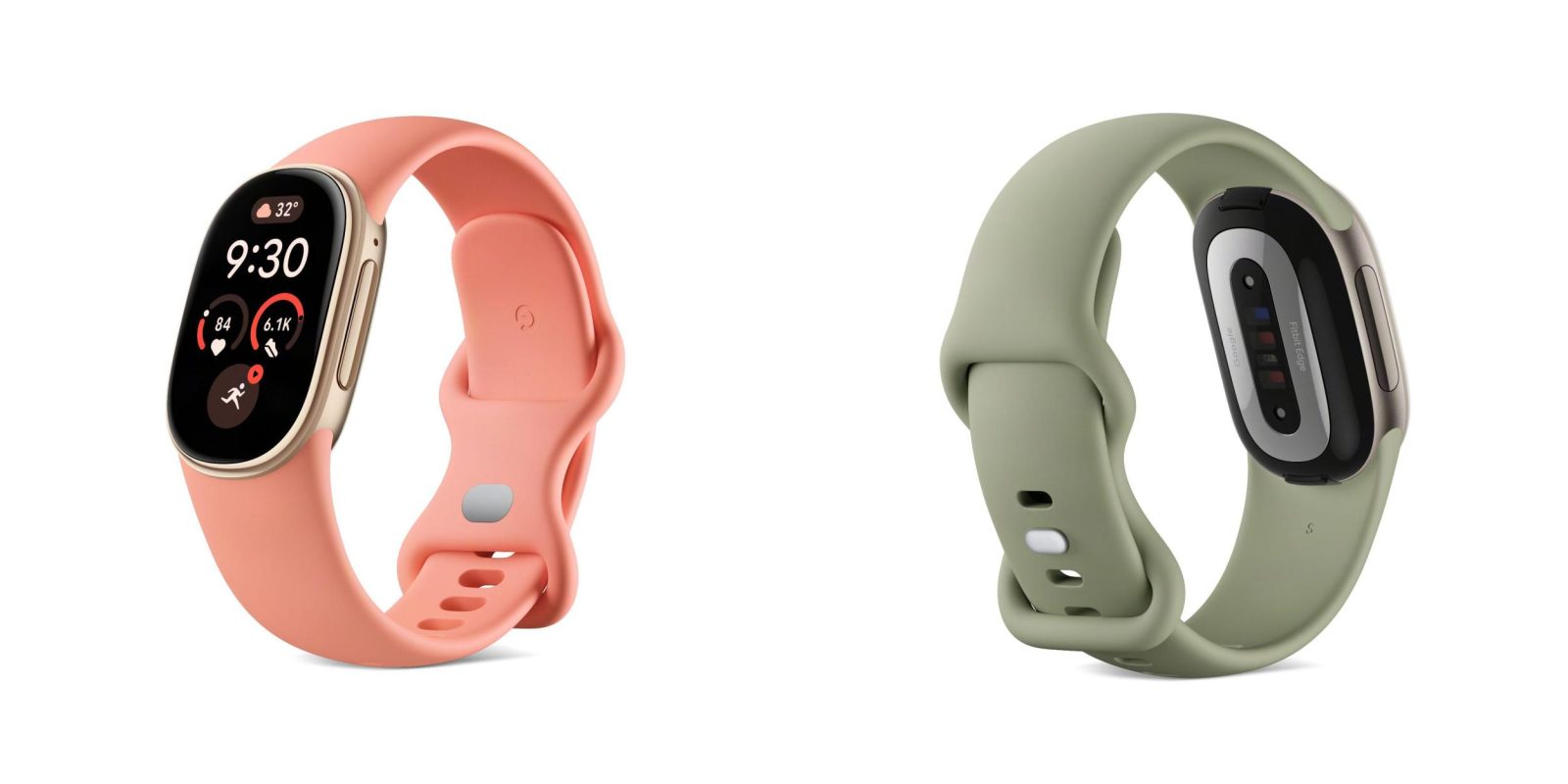
Google launches the Fitbit Edge, a new fitness tracker priced at about $179.99 and positioned between the simpler Fitbit Air and the higher-end Pixel Watch range. The device includes a 1.34-inch OLED display, built-in GPS, ECG support, and a swappable battery that Google says can last up to around seven days.
OnePlus launches the OnePlus 16 in China with a clear focus on top-end specifications. The flagship phone pairs Qualcomm’s Snapdragon 8 Elite Extreme Gen 6 chip with a 9,000mAh battery, a 200-megapixel main camera, and a display rated up to a 185Hz refresh rate for supported content.
H&M Group is investigating claims that it was targeted by the cybercriminal group Shinyhunters. The company is examining whether any breach occurred and whether customer or corporate data was affected, but it has not yet confirmed an incident.
Apple introduces a limited special edition of AirPods 5 in India for the Diwali season, using a rangoli-inspired design on the wireless charging case. The festive version carries the same local price as the standard AirPods 5 with that case, at ₹17,900.



Top Tech stories
- Google launches Fitbit Edge fitness tracker with swappable battery and built-in GPS (27 sources)
- Meta releases Muse Wonder and Wonder Full AI models to compete with OpenAI and Anthropic (20 sources)
- Microsoft president Brad Smith urges stronger global AI safety rules and incident reporting (14 sources)
- Epic delays Disney Marvel-Star Wars shooter and orders AI-first development model (14 sources)
- Microsoft unveils Maia 300 inference chip and plans large-scale deployments from 2027 (13 sources)
- Apple launches special Rangoli AirPods 5 edition in India for Diwali season (7 sources)
- US NHTSA probes Tesla robotaxis for alleged school-zone speeding (6 sources)
- WhatsApp tests scheduled messages feature for select Android beta users (6 sources)
Pippa Post
Author at IfHighLow