Science news today centers on prediction and resilience, from stark warnings about the planet’s climate path to new ways of spotting disease earlier and testing how ecosystems withstand stress. At the same time, researchers push at the edges of observation, whether by holding a s...
Science news today centers on prediction and resilience, from stark warnings about the planet’s climate path to new ways of spotting disease earlier and testing how ecosystems withstand stress. At the same time, researchers push at the edges of observation, whether by holding a single antimatter particle steady, discovering cave life, or turning microscopes and radar into windows on hidden worlds.
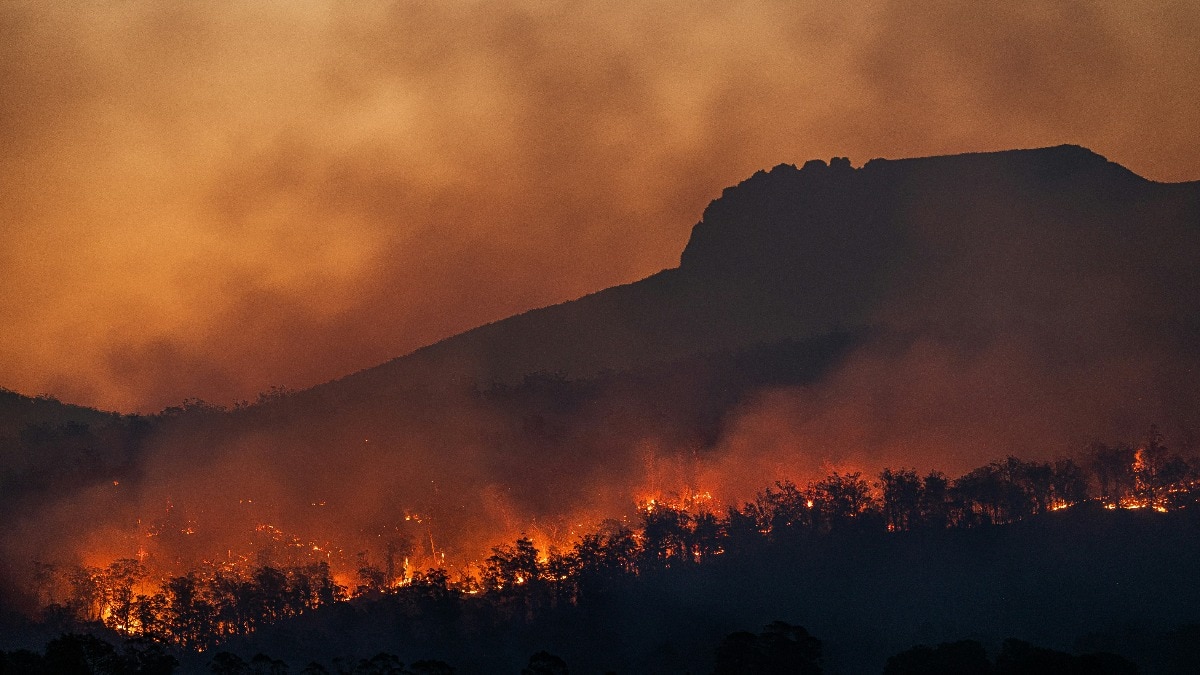
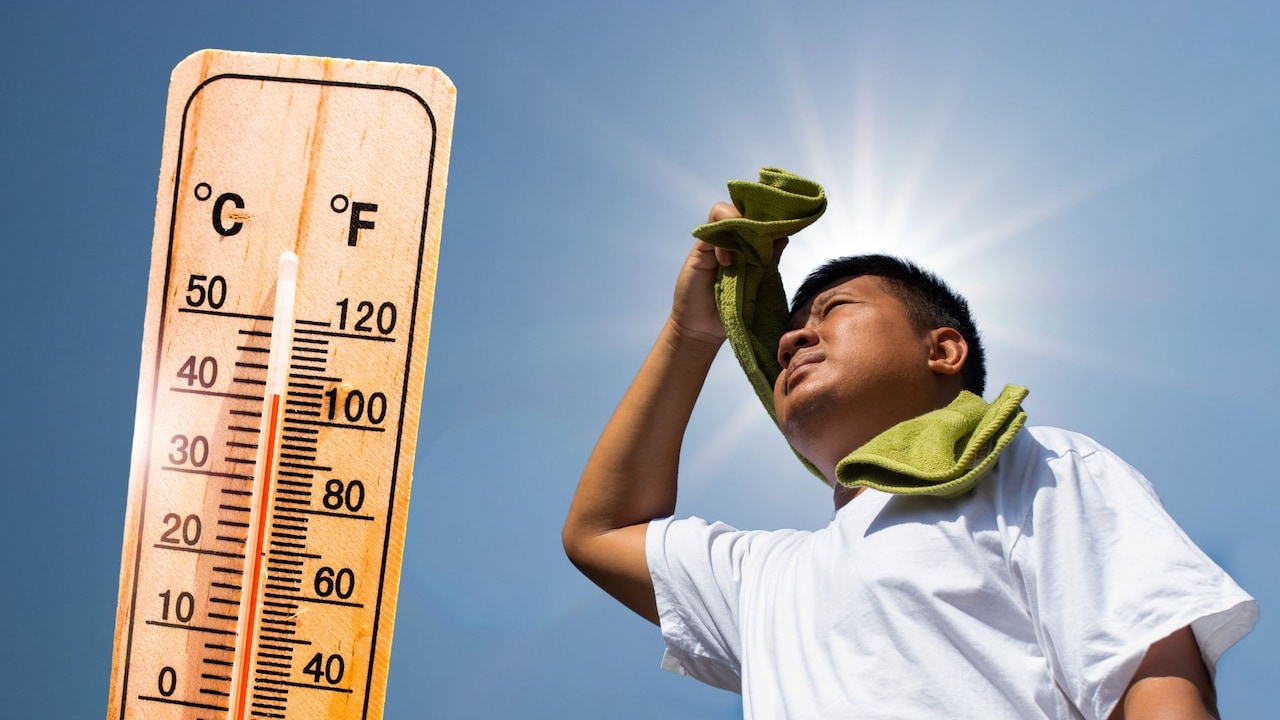
The world remains off track to keep warming to 1.5°C, with the UN’s latest Emissions Gap Report warning that current national pledges still point to roughly 2.6°C of warming by 2100, and existing policies to even more. The report calls for much steeper emissions cuts this decade to limit how far temperatures overshoot the Paris target.
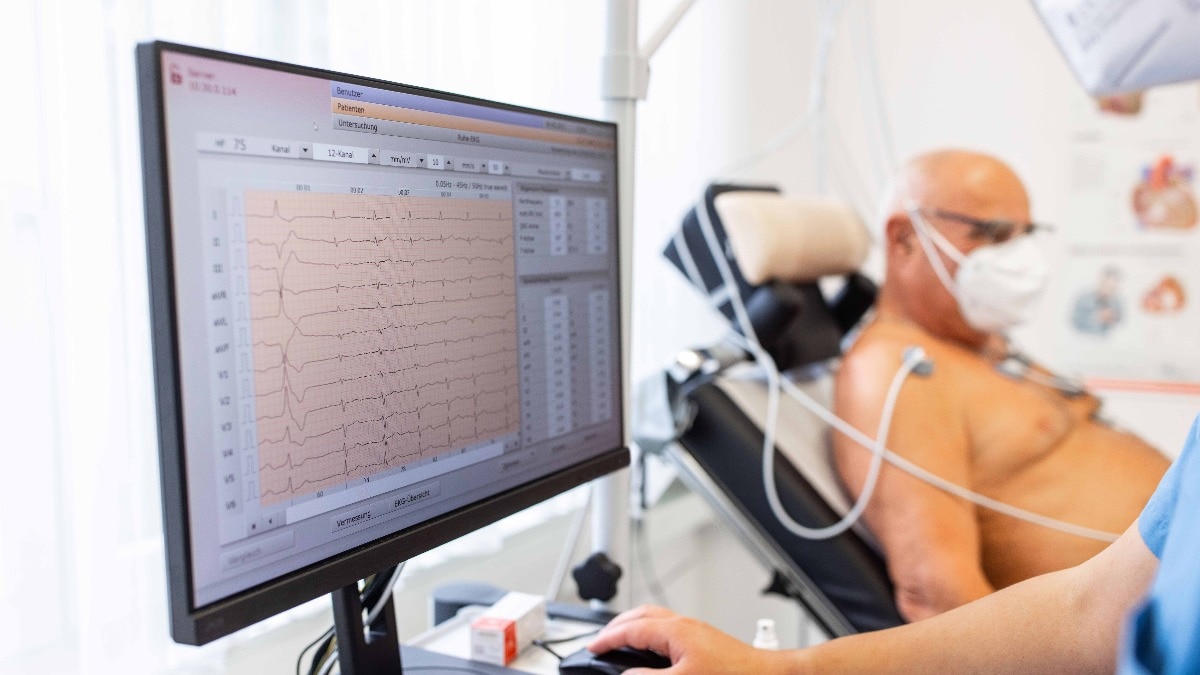
Researchers identify blood-protein markers that may reveal prostate cancer risk more than a decade before diagnosis. The study compares men who later develop the disease with those who do not, and points toward a future screening approach that could flag higher-risk patients earlier, before symptoms appear.
Scientists place 306 square meters of wild salt marsh into a giant wave machine to see how the habitat stands up to extreme storm conditions. The experiments examine how marshes absorb wave energy and help shield coastlines, with the aim of understanding how much protection these ecosystems can provide as storms intensify.
Physicists successfully trap and control a single positron for months, keeping the antimatter particle in a highly stable quantum state long enough for sustained study. The achievement opens a path to much more precise experiments on antimatter and could help researchers probe fundamental questions in physics with unprecedented control.
More than 5,000 wildlife species are recorded at the National Trust’s Wimpole estate despite drought conditions, marking a notable level of biodiversity under environmental stress. The result reflects a long-running nature recovery approach and suggests that sustained habitat restoration can help landscapes support rich wildlife even in difficult years.
Migrating moth swarms in Australia are showing up on weather radar as if they were rain clouds, complicating forecasting and puzzling meteorologists. The insects create radar signatures that resemble precipitation despite dry conditions, offering a vivid example of how biological activity in the atmosphere can interfere with standard weather interpretation.
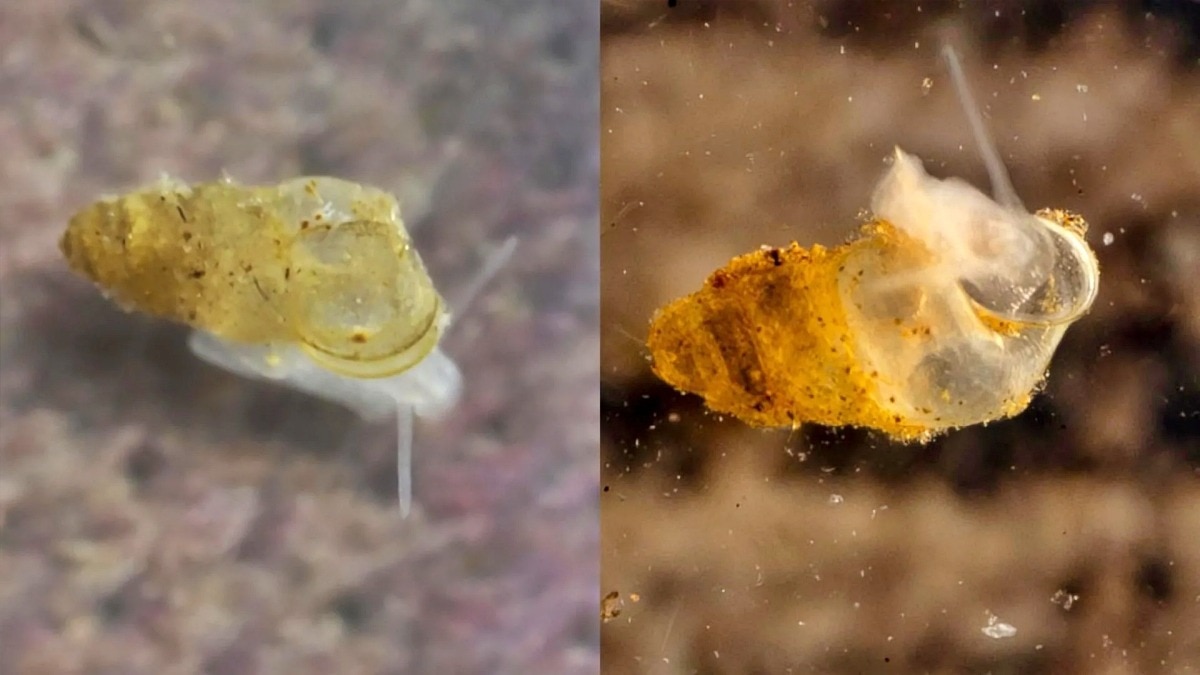
Scientists discover a previously unknown freshwater snail deep inside a high-altitude cave in China, where it lives in complete darkness. The snail lacks eyes and shows the pale, ghostlike features typical of cave-adapted species, adding a new example of how isolated underground habitats drive extreme evolutionary change.
Nikon names the winners of its 2026 Small World photomicrography competition, selecting from more than 1,800 microscope-based images. The top prize goes to an image of ink droplets suspended inside an inkjet printer during printing, highlighting how scientific imaging can reveal striking structures and motion invisible to the naked eye.

Top Science stories
- UN Emissions Gap Report warns 1.5°C goal will be missed, urges steep cuts to limit overshoot (25 sources)
- Study identifies blood-protein markers to predict prostate cancer risk years before diagnosis (5 sources)
- Physicists trap and control a single positron for months (3 sources)
- Nikon Small World 2026 winners announced for photomicrography competition (3 sources)
- Moth swarms appear as rain on Australian weather radar, baffling meteorologists (3 sources)
- Monkeys become more cautious about food after deadly viral outbreaks (2 sources)
- National Trust Wimpole estate records over 5,000 wildlife species despite drought (2 sources)
- Study links ‘bad apple’ rule-breaking to wider spread of noncompliance (2 sources)
Scott Scoop
Author at IfHighLow