Science news today spans both practical resilience and deep questions about how worlds and life systems work. Researchers and engineers are testing new ways to store energy and protect ecosystems, while astronomers and physicists push outward to the early universe and Mars with i...
Science news today spans both practical resilience and deep questions about how worlds and life systems work. Researchers and engineers are testing new ways to store energy and protect ecosystems, while astronomers and physicists push outward to the early universe and Mars with ideas and missions that could reshape basic understanding.
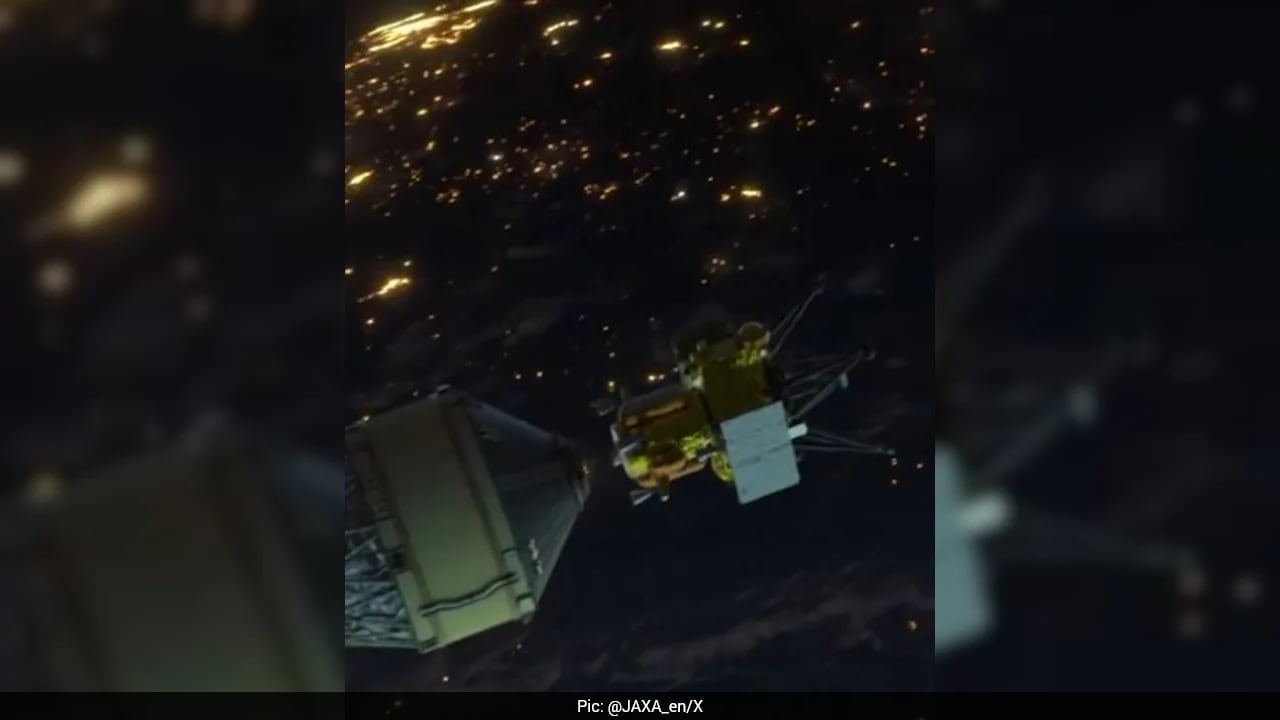
Japan launches a probe toward Mars’ moons, sending the mission into its next phase after a successful liftoff. The spacecraft is set to study the small bodies orbiting Mars, advancing planetary science as it travels toward the Martian system and prepares for future observations around its target region.
Physicists put forward a new explanation for why matter exists, arguing that a largely overlooked particle may have influenced the earliest moments of the universe. The idea revisits conditions soon after the cosmos began and suggests this neglected ingredient could help explain how the balance of matter emerged.
El Niño is already lifting sea levels in parts of the Pacific by about 40 centimeters above normal, increasing the risk of flooding for low-lying islands and coastal communities. The rise shows how climate patterns can quickly reshape local ocean conditions and intensify near-term hazards across vulnerable regions.
Honey bee hives function as layered defense systems that help suppress disease, with protection arising from the colony’s social organization, antimicrobial substances, and the surrounding environment. The research frames the hive as a kind of living immune system, where multiple interacting barriers work together to limit harmful microbes.
A pilot project in Buffalo is testing a large battery system to supply backup power to an apartment building when the grid is strained and electricity is expensive. By storing power when it is more available and releasing it during peak demand, the project aims to improve resilience and ease pressure on the grid.


Top Science stories
- AI model predicts cancer survival risk from facial photos, study reports (11 sources)
- Honey bee hives act as layered “living immune systems” against disease (3 sources)
- New York project tests large battery systems for safer residential backup power (2 sources)
- Physicists propose a neglected particle may have shaped the early universe (2 sources)
- Japan launches mission to Mars’ moon(s) as probe heads into space (2 sources)
- El Niño boosts Pacific sea levels in some regions by about 40 cm, scientists warn (2 sources)
Finn Feedman
Author at IfHighLow