Science news today centers on how new measurements and fresh observations are reshaping familiar stories, from a climate pattern now being judged by competing yardsticks to evidence that pushes back a key chapter of human prehistory. At the same time, researchers and engineers re...
Science news today centers on how new measurements and fresh observations are reshaping familiar stories, from a climate pattern now being judged by competing yardsticks to evidence that pushes back a key chapter of human prehistory. At the same time, researchers and engineers report unusual changes in oceans, space, and the seafloor that show how active this period is across Earth and beyond.
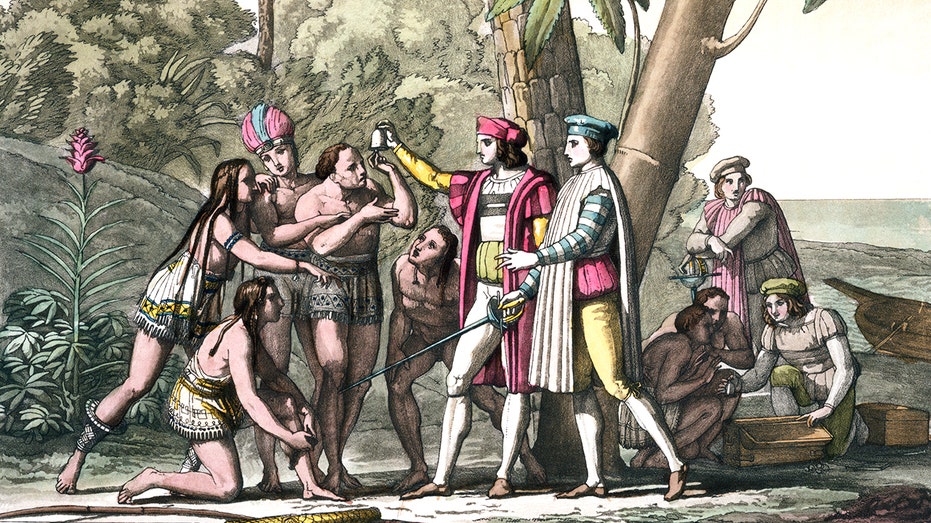
A new ancient DNA study argues that humans reached North America earlier than the long-used benchmark of about 13,500 years ago. By combining genetic evidence with other lines of research, the work revises the timeline for the continent’s first settlement and adds momentum to a broader reassessment of early migration into the Americas.
Scientists are split over how strong this year’s El Niño is because major weather agencies use different methods to measure it. Britain’s Met Office calls the event unprecedented, Japan’s weather agency ranks it the strongest on record, while US forecasters place it below the biggest El Niño episodes in their historical datasets.
Unusually warm ocean water linked to El Niño is bringing tropical marine species to California’s coast. The warmer-than-expected conditions are drawing in animals rarely seen there, producing a noticeable shift in coastal sightings as the Pacific takes on characteristics more typical of lower latitudes.
Satellite images from NASA show parts of the equatorial Pacific turning from greener hues to a deeper blue during the current Super El Niño. The color shift, visible across broad stretches of ocean over the past year, highlights how strongly the event is altering surface conditions in the tropical Pacific.
A startup called Endurance Energy says it briefly generated electricity from heat in an underwater volcanic vent field off Oregon. In a late-September test about a mile beneath the Pacific surface, its prototype system used a drilled well and lowered generator to produce a short burst of offshore geothermal power.
The European Space Agency’s Euclid telescope has discovered a previously unknown comet, now designated C/2026 S1 (Euclid). The object was identified in images taken over several days in September 2026, adding a comet discovery to the telescope’s science work as it continues surveying the sky.


Top Science stories
- NASA satellite images show Pacific waters turning bluer during Super El Niño (3 sources)
- El Niño strength disputed as Met Office, Japan, and US use different measurement methods (2 sources)
- Endurance Energy briefly generates electricity from an underwater volcano off Oregon (2 sources)
- El Niño brings tropical marine species to California’s coast (2 sources)
- Ancient DNA study revises timeline for earliest human migration into North America (2 sources)
- ESA Euclid telescope discovers a previously unknown comet (2 sources)
Archie Vance
Author at IfHighLow