Climate and time dominate the science agenda today, with El Niño shaping both near-term weather risks and longer-term ecological strain, while researchers and engineers push on with discoveries from prehistory to planetary science. The mix underscores how science is tracking a wa...
Climate and time dominate the science agenda today, with El Niño shaping both near-term weather risks and longer-term ecological strain, while researchers and engineers push on with discoveries from prehistory to planetary science. The mix underscores how science is tracking a warming, changing world even as it refines humanity’s tools for measuring time and exploring space.
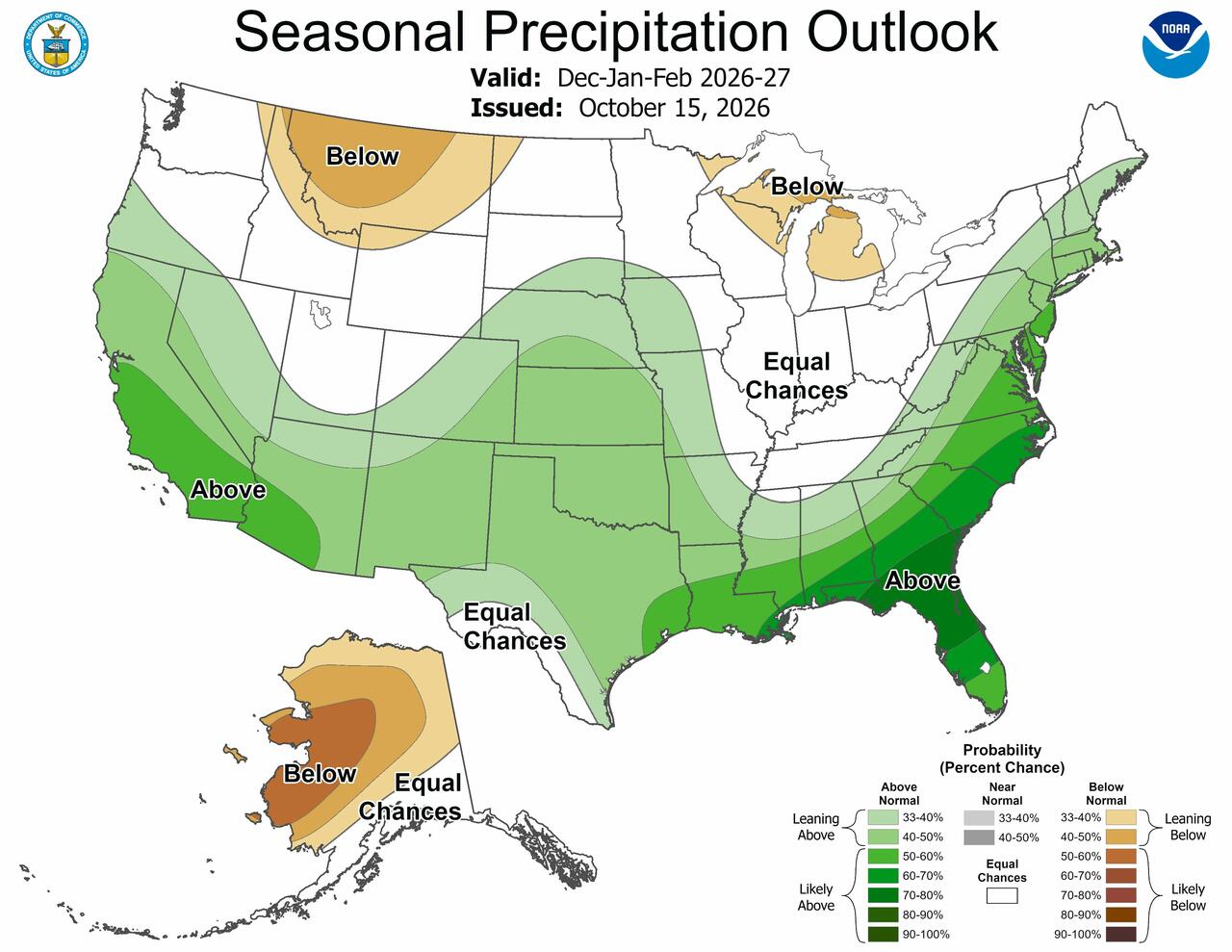
A strengthening El Niño is set to shape the US winter, with federal forecasters expecting wetter conditions across much of the South and warmer-than-average temperatures in the North. The outlook also points to reduced snowfall in many northern areas, while parts of California, the Gulf Coast and the Eastern Seaboard are favored to see above-average precipitation.
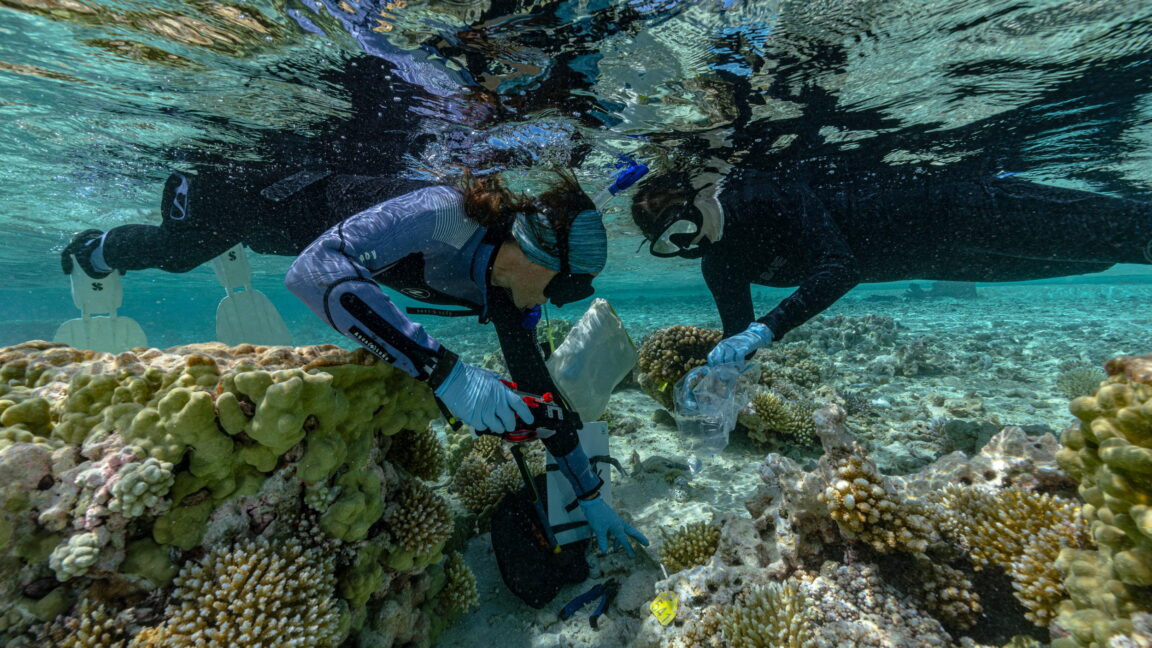
Coral reefs face heightened danger as a possible super El Niño builds on already record ocean heat. UN biodiversity experts warn that because corals are highly sensitive to temperature, the added warming in the tropical Pacific could sharply increase bleaching stress and raise the risk of large-scale reef collapse.
Countries have agreed to phase out leap seconds, ending the long-standing practice of inserting one-second adjustments to keep atomic time closely aligned with Earth’s uneven rotation. The international decision moves timekeeping toward a future system that would rely instead on much larger corrections, sometimes described as a leap hour.
Japan’s planned MMX mission aims to collect samples from Phobos in an effort to settle a major question about Mars: how its small moons formed. Scientists still debate whether Phobos and Deimos are captured asteroids or the debris of an ancient impact, and returned material could provide the clearest evidence yet.
A Neanderthal skeleton from Shanidar Cave in Iraqi Kurdistan may preserve evidence of one of the oldest known wooden spear attacks. Researchers say a round hole in the shoulder blade of the individual known as Shanidar A is consistent with a lethal wound inflicted more than 70,000 years ago.
South Korea’s NEONSAT microsatellite constellation has returned its first images less than a day after launch, marking an early operational milestone for the five-satellite system. The spacecraft fly on the country’s Nuri rocket and send imagery to a ground station about 14 and a half hours after liftoff.
Astronomers say white dwarf stars come in a broader range of true colors than many people assume, including at least one that would appear green to human eyes. The work links the way these dense stellar remnants emit light with how that light is actually perceived, refining a familiar but oversimplified picture.
Three farms in Scotland have been chosen for a multiyear trial of climate-resilient and regenerative agriculture in Loch Lomond and The Trossachs National Park. From 2026 to 2030, the farms will test methods designed to help agriculture cope with shifting weather patterns and strengthen long-term resilience.



Top Science stories
- Neanderthal shoulder wound from Iraqi cave may be oldest known wooden spear attack (5 sources)
- US winter outlook: El Niño brings wetter South and warmer North, with less northern snow (5 sources)
- Super El Niño raises new risks of coral reef collapse, UN biodiversity expert warns (3 sources)
- International vote replaces leap seconds with a “leap hour” timekeeping system (3 sources)
- Astronomers identify true color range of white dwarf stars, including a ‘green’ example (2 sources)
- Korea’s NEONSAT microsatellite constellation sends first images within a day of launch (2 sources)
- Study finds US churchgoers who trust science are more likely to believe in ghosts and curses (2 sources)
- Three Scottish farms selected for Loch Lomond climate-resilient farming trials (2 sources)
Cora Content
Author at IfHighLow