Science news today ranges from deep time to a warming present, with fresh work reshaping how researchers classify ancient life and how they track environmental change now. New dinosaur and early vertebrate studies refine the fossil record, while coral, forest and mountain finding...
Science news today ranges from deep time to a warming present, with fresh work reshaping how researchers classify ancient life and how they track environmental change now. New dinosaur and early vertebrate studies refine the fossil record, while coral, forest and mountain findings underscore how dynamic Earth’s living systems and landscapes remain.
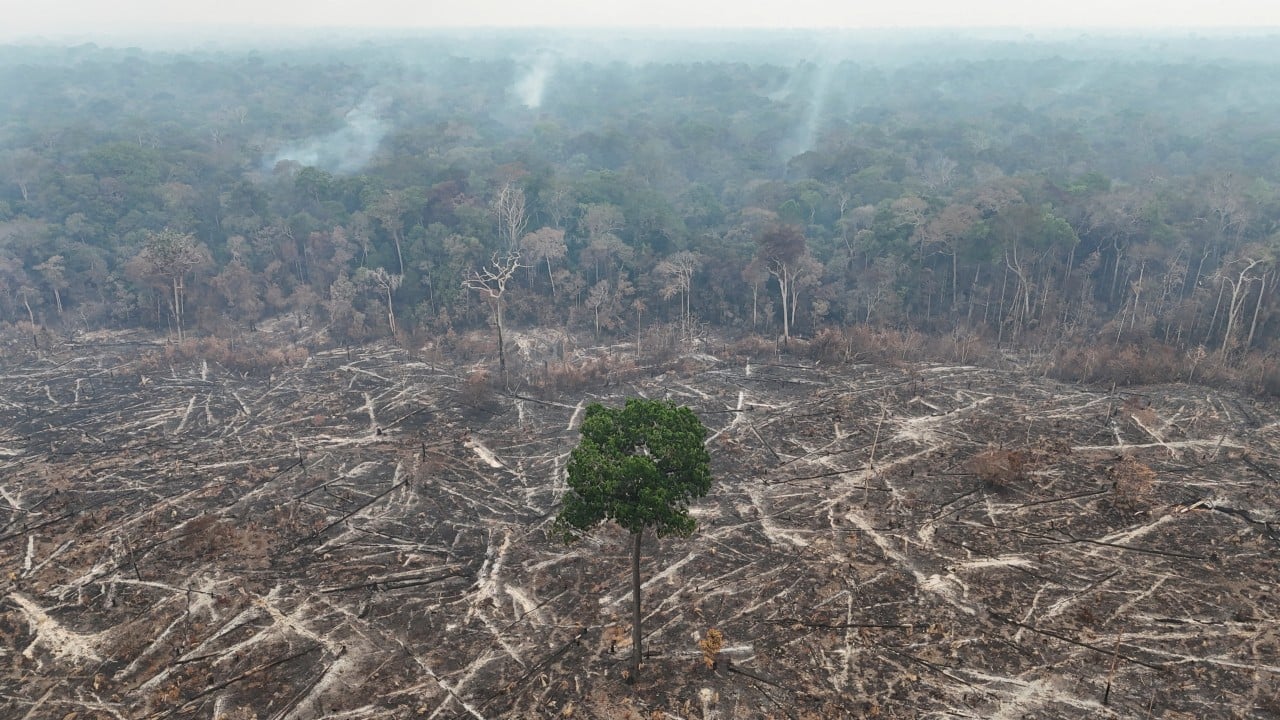
Global deforestation is slowing overall, but forest loss is rising in the Congo Basin as a powerful El Niño adds pressure to already vulnerable landscapes. The new study suggests recent worldwide gains may prove fragile, because worsening trends in Central Africa could offset improvements seen in other regions.
Bleached coral can recover much faster when it is in direct contact with a healthy coral of the same genetic type, researchers find. In experiments, damaged fragments rebound with help from an unbleached neighbor rather than recovering alone, pointing to a possible mechanism that could matter as marine heat drives widespread reef bleaching.
Early tetrapods appear to have evolved a distinct neck without gaining much freedom to move it, a biomechanical modeling study concludes. Using sturgeon as an anatomical and material stand-in, the work suggests some of the first vertebrates on land had more limited neck mobility than the new skull-shoulder separation might imply.
A dinosaur fossil collected in Britain more than a century ago is now identified as a new species after long being overlooked in storage. Researchers say the animal is a predatory dinosaur related to Tyrannosaurus rex, showing how modern analysis can reveal distinct species within historical museum collections.
A partial skull from the Isle of Wight has revealed another new species of meat-eating dinosaur from about 120 million years ago. Its anatomical features help place it among related theropod predators and add detail to a period when southern England was part of an ancient coastal environment rich in dinosaur life.
Mont Blanc’s summit now measures 4,807.47 metres above sea level, nearly two metres higher than the 2023 figure after a new survey in France. The result highlights how the mountain’s recorded height can shift significantly over short periods, reflecting changes in the snow and ice cap at the peak.
Colossal Biosciences says a new AI platform called GenoMorph is helping advance its dodo de-extinction project by identifying candidate genetic switches. The system is designed to flag regulatory DNA linked to the bird’s distinctive craniofacial traits, helping researchers decide which sequences to prioritize for further work.



Top Science stories
- Bleached corals recover after brief contact with healthy neighbors, study finds (4 sources)
- Overlooked 1920s U.K. fossil identified as new dinosaur species (3 sources)
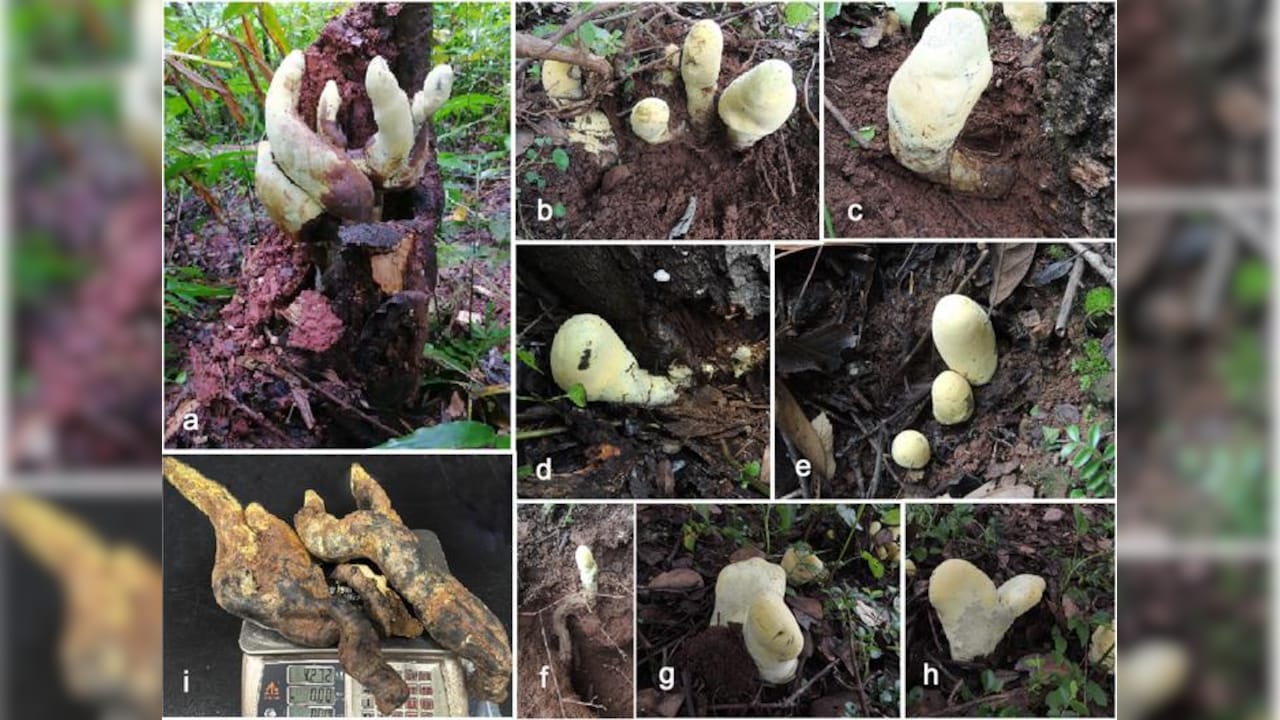
- Scientists Discover ‘D-rex’—A Giant Prehistoric Fungus in China’s Yunnan Forests (3 sources)
- Mont Blanc measured at 4,807.47m after recent survey shows near-2m rise (3 sources)
- Global deforestation slows overall but Congo Basin forest loss rises amid El Niño (3 sources)
- AI tool identifies candidate genetic switches to advance dodo de-extinction (3 sources)
- NTA to open JEE Main 2027 registration soon via jeemain.nta.nic.in (2 sources)
- Isle of Wight partial skull reveals new species of meat-eating dinosaurs (2 sources)
Logan Blogger
Author at IfHighLow