Today’s science news spans both discovery and practical advance, from a milestone in robotic exploration on Mars to new clues about ancient life and extreme cosmic systems. At the same time, researchers report fresh tools and unexpected hazards that could shape medicine, mining,...
Today’s science news spans both discovery and practical advance, from a milestone in robotic exploration on Mars to new clues about ancient life and extreme cosmic systems. At the same time, researchers report fresh tools and unexpected hazards that could shape medicine, mining, and high-profile investigations on Earth.
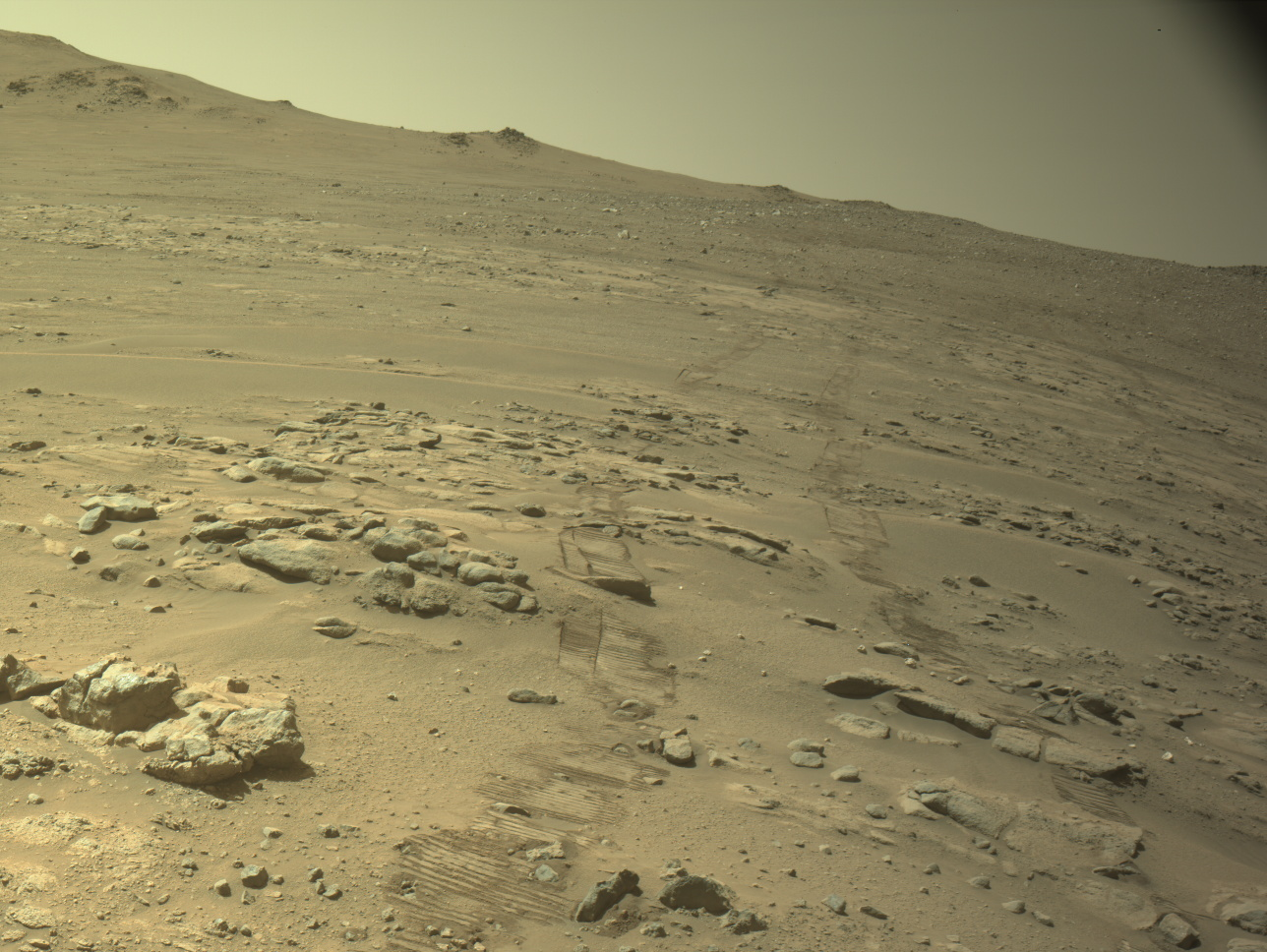
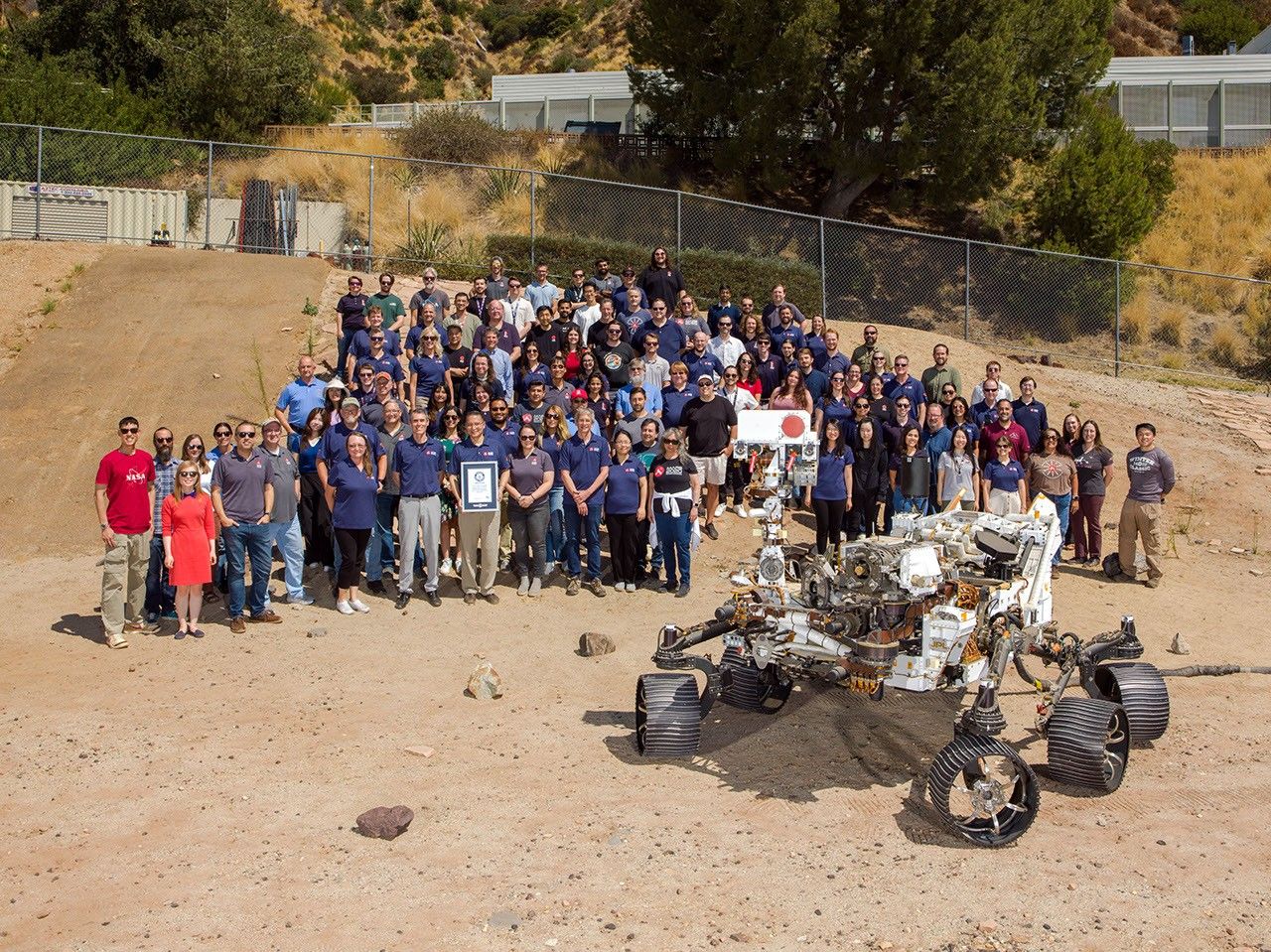
NASA’s Perseverance rover sets a new off-world driving record on Mars, reaching about 45 kilometers, or roughly 28 miles, and surpassing the distance once logged by Opportunity. The milestone reflects years of sustained surface operations as Perseverance continues exploring the Martian landscape and extending the range of robotic fieldwork beyond Earth.
MIT researchers develop a nanoparticle method to reprogram natural killer cells inside the body so they target specific disease-linked T cells. The approach is designed to direct immune attacks toward cancer-related T cells and toward autoreactive T cells involved in disorders such as lymphoma and autoimmune hepatitis, pointing to a more precise form of immunotherapy.
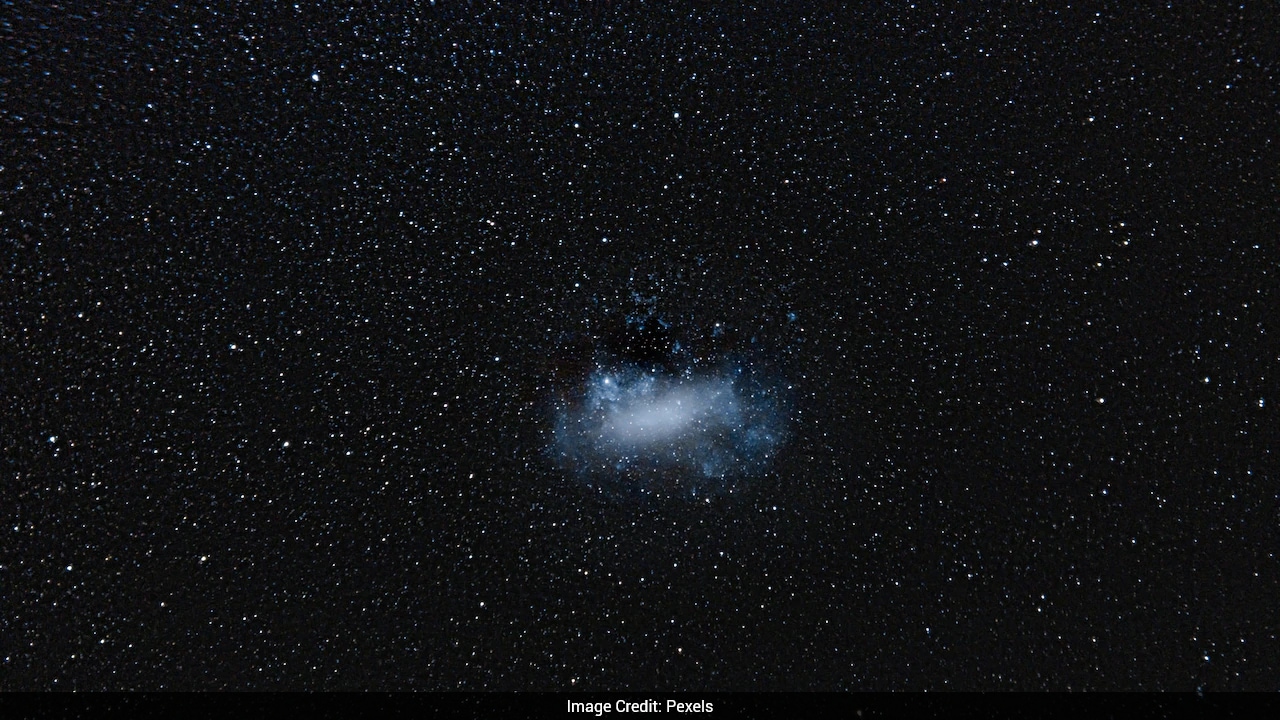
Astronomers identify IRAS 18293-0941 as the strongest candidate yet for a microblazar, a rare system in which a stellar-mass black hole binary fires a jet toward Earth. Because the jet is aimed in our direction and appears to move at about 75 percent of the speed of light, the system offers an unusually direct view of jet behavior.
Deep-sea mining research hits a setback after rock samples recovered from the seafloor spontaneously combust under laboratory conditions. The unexpected behavior adds to concerns about the safety and technical challenges of extracting minerals from extreme marine environments, raising new questions about how such materials behave once brought to the surface.
Scientists identify a new 170-million-year-old relative of modern crocodiles from fossil remains, adding to the picture of early crocodilian evolution. The animal has a long, narrow snout and distinctive needle-like teeth, features that suggest a specialized feeding style and help distinguish it from other ancient relatives in the fossil record.
Researchers studying Turkey’s boat-shaped Durupınar formation build a 3D model of the site using ground-penetrating radar and subsurface investigations. The initial phase includes drilling more than 60 feet underground and collecting samples for laboratory testing, expanding scientific scrutiny of a geological formation long associated with speculation about its origin.
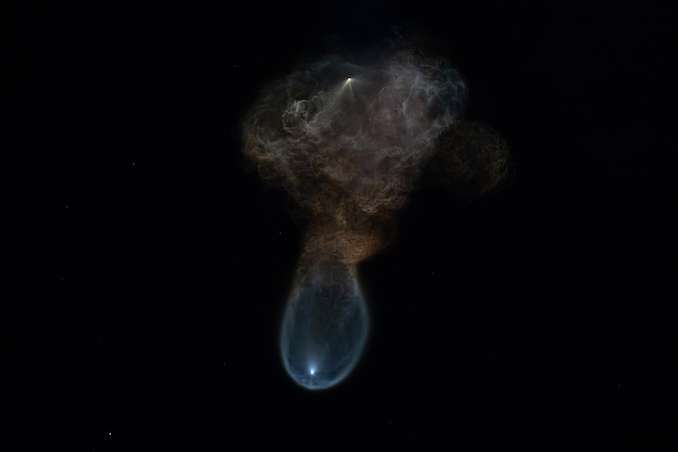
A SpaceX Falcon 9 launch carrying cargo toward the International Space Station creates a widely visible “space jellyfish” display across the U.S. East Coast. The effect appears as a bright, expanding cloud-like trail in the night sky, produced as the rocket’s exhaust catches sunlight at high altitude after launch.
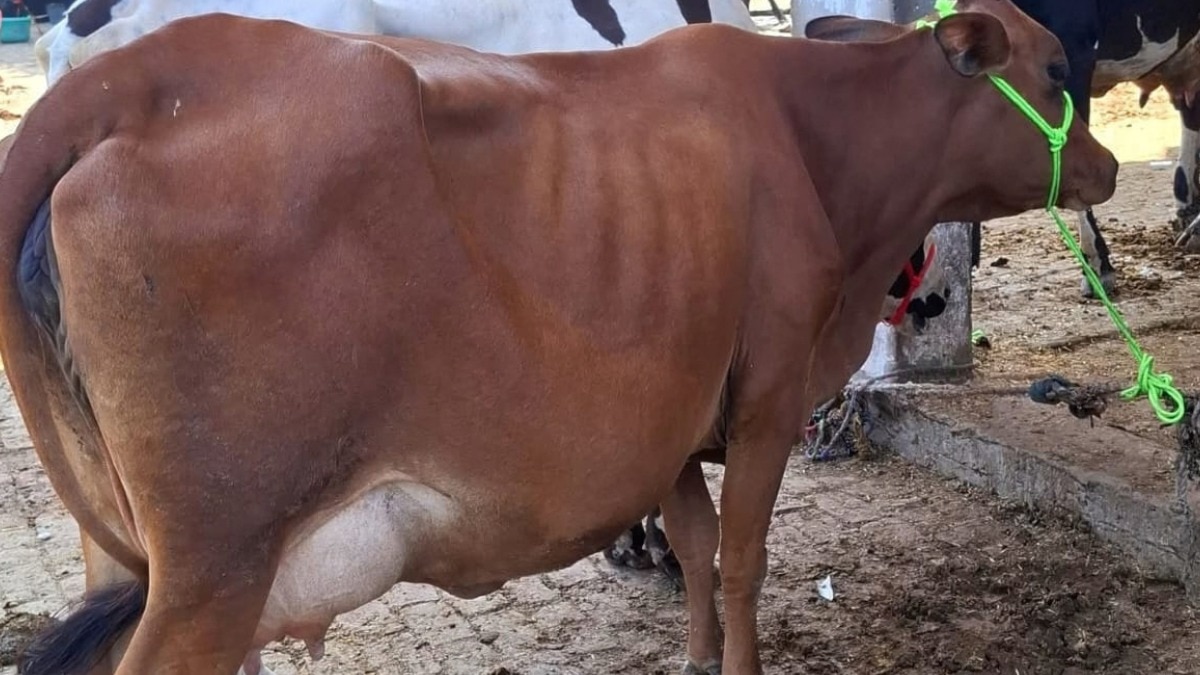
Researchers from India’s Andhra Pradesh and Bihar are named in Stanford University’s annual list of the world’s top 2 percent of scientists. The recognition is based on citation performance and highlights the international visibility of their published research across multiple scientific fields.

Top Science stories
- Perseverance rover sets new record for distance driven on Mars, NASA says (16 sources)
- Researchers build 3D model of Turkey’s boat-shaped Durupınar formation using radar data (3 sources)
- Scientists identify new 170-million-year-old crocodile relative with needle-like teeth (3 sources)
- Deep-Sea Mining Trials Hit Setback as Rock Samples Spontaneously Combust (2 sources)
- SpaceX Falcon 9 launch creates visible “space jellyfish” lights across U.S. East Coast (2 sources)
- Scientists from Andhra Pradesh and Bihar named in Stanford’s World Top 2% Scientists list (2 sources)
- MIT develops nanoparticle method to reprogram NK cells against cancer and autoimmune disease (2 sources)
- Astronomers Identify IRAS 18293-0941 as Strong Candidate ‘Microblazar’ Jet System (2 sources)
Blake Byline
Author at IfHighLow