Today’s health news centers on prevention and trust: a measles surge in Bangladesh shows the cost of weakened immunisation, while Indian regulators move on food safety from infant nutrition to pesticides and prosecutions. Elsewhere, health systems confront privacy breaches, resea...
Today’s health news centers on prevention and trust: a measles surge in Bangladesh shows the cost of weakened immunisation, while Indian regulators move on food safety from infant nutrition to pesticides and prosecutions. Elsewhere, health systems confront privacy breaches, research points to a simple way to ease surgical side effects, and patients’ personal stories keep serious illness in public view.
Bangladesh is facing a major measles outbreak after routine vaccination coverage falls, with suspected cases rising sharply and deaths concentrated among young children. Health agencies say treatment centers are under strain as they try to contain one of the world’s worst current outbreaks, underscoring how quickly measles returns when immunisation gaps widen.
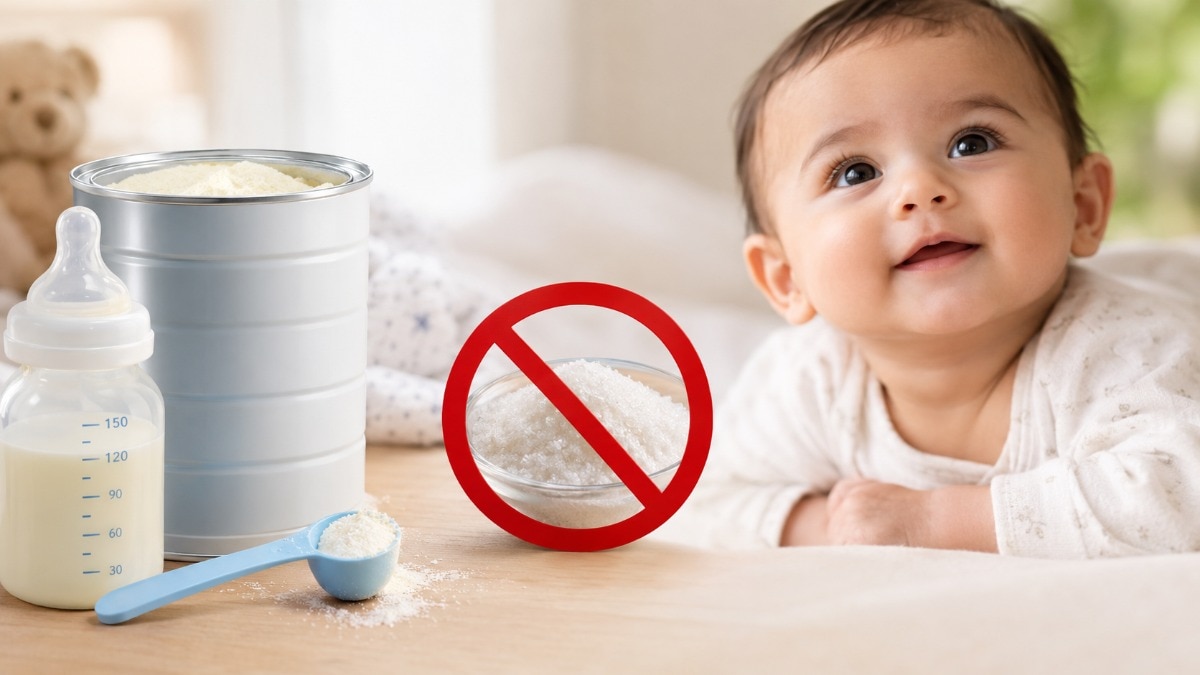
India’s food safety regulator proposes banning added sucrose and fructose in foods intended for infants up to six months old. The draft amendment tightens standards for a critical stage of early nutrition and signals a broader push to limit unnecessary sugars in products aimed at very young babies.
India’s food safety authority launches prosecution against Surya Food & Agro, which makes Priyagold biscuits, over alleged food safety violations including the reported use of cattle feed bran in production. The action follows an inspection tied to a consumer complaint that also found hygiene and process deficiencies.
India’s food safety regulator also proposes stricter pesticide residue limits for tea, including for acetamiprid. The plan aims to sharpen consumer protections and give growers, processors and inspectors clearer standards for testing and enforcement under existing food safety rules.
An NHS trust sacks 15 staff members for improperly accessing the medical records of victims of the 2023 Nottingham stabbing attack. The trust apologizes and says the access was inexcusable, highlighting the seriousness of patient confidentiality breaches inside healthcare systems.
A randomized clinical trial finds that noise-cancelling headphones used during minimally invasive gynecological surgery reduce postoperative nausea and vomiting. Presented at a major anesthesiology meeting, the study suggests a simple, non-drug intervention could improve recovery for some surgical patients.
Scottish swimmer Archie Goodburn shares an emotional update on life with three inoperable brain tumours, describing a stressful period as he continues to live with the disease. The 25-year-old has remained a public voice on the realities of serious illness since his diagnosis two years ago.
UK hospitals report removing thousands of foreign objects from patients’ rectums, with recorded items ranging from household objects to toys and food. The survey offers an unusual snapshot of emergency presentations that can require specialist care and operating theatre time.




Top Health stories
- FSSAI proposes banning added sucrose and fructose in infant foods for up to six months (6 sources)
- FSSAI launches prosecution against Priyagold maker and two other firms over food safety lapses (6 sources)
- NHS dismisses 15 staff for accessing records of Nottingham attack victims (5 sources)
- Thousands of foreign objects removed from patients’ rectums at UK hospitals (4 sources)
- Bangladesh battles worst measles outbreak after vaccination coverage drops (4 sources)
- FSSAI proposes tighter pesticide residue limits for tea, including acetamiprid (3 sources)
- Noise-cancelling headphones during gynecological surgery reduce postoperative nausea and vomiting (2 sources)
- Scottish swimmer Archie Goodburn shares emotional update on inoperable brain tumour (2 sources)
Nora Newsworthy
Author at IfHighLow