Science news today spans how discovery is changing at both ends of the process: from stricter scrutiny of image-making tools to unexpected new pathways for finding and verifying evidence. At the same time, researchers push into long-range questions, from climate risks on Earth to...
Science news today spans how discovery is changing at both ends of the process: from stricter scrutiny of image-making tools to unexpected new pathways for finding and verifying evidence. At the same time, researchers push into long-range questions, from climate risks on Earth to the practical chemistry needed for a sustained human presence on the Moon.
A new study finds that climate tipping points do not receive equal scientific attention, even though several parts of Earth’s system may shift abruptly once warming crosses critical thresholds. The work highlights uneven research focus across risks including major ice sheets, the Amazon rainforest, coral reefs, and large ocean circulation systems, raising questions about where knowledge gaps remain.
Researchers at Dublin City University are testing whether methods used in computer-chip manufacturing can be repurposed to extract oxygen from lunar soil. The project targets Moon dust as a potential local resource, with the aim of supporting longer-term human missions by reducing the need to transport all essential supplies from Earth.
Scientists confirm a new, critically endangered species of giant waterlily in Colombia after the trail begins with an Instagram photograph and leads to field verification. The finding shows how social media can unexpectedly aid biodiversity research when visual clues are followed up with formal scientific identification and on-the-ground study.
Nikon disqualifies the original first-place winner of its Small World in Motion competition after determining that the microscopic video broke the contest’s rules on generative AI. The reversal comes after public criticism of the selection and underscores growing pressure on scientific image competitions to define and enforce limits on AI-generated content.
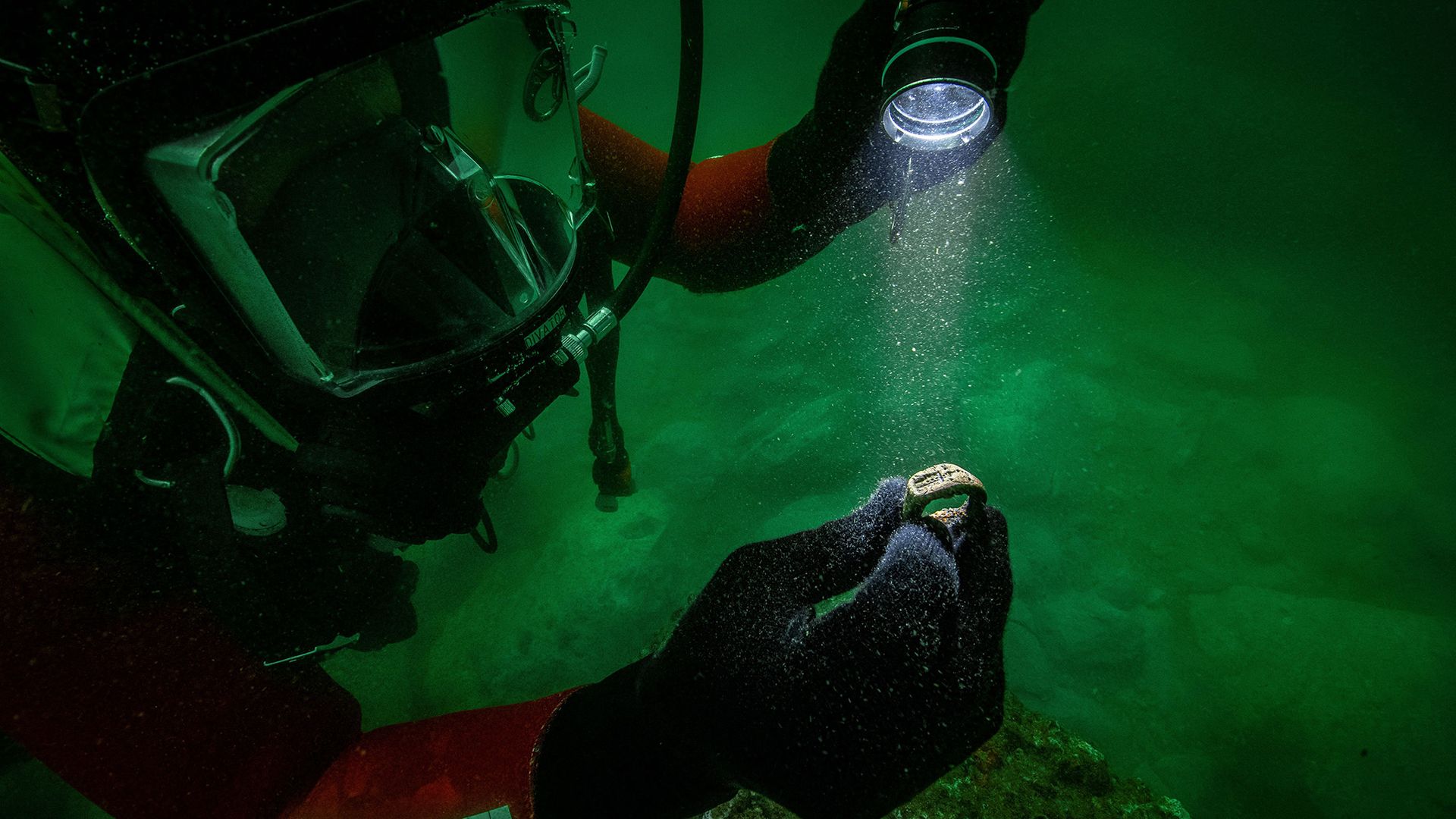
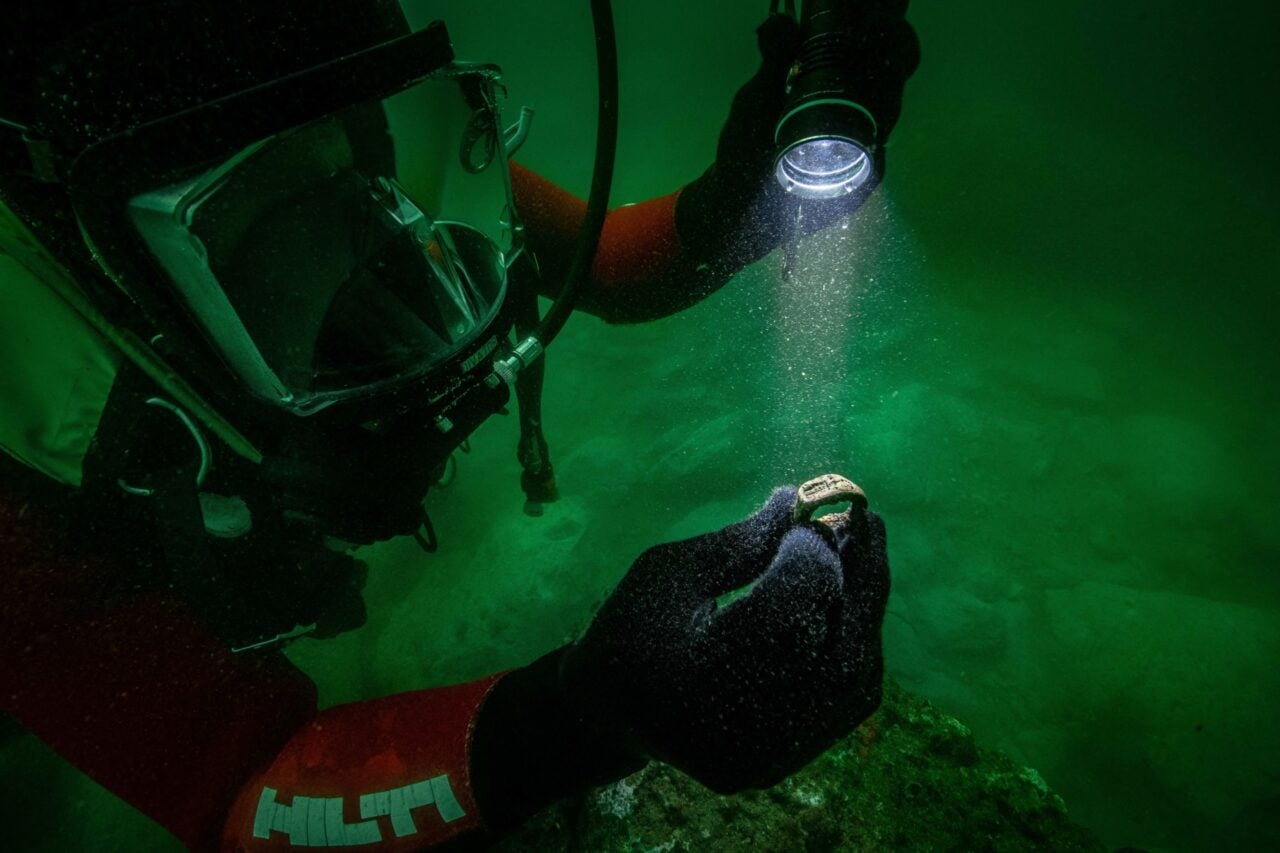
Underwater archaeologists in Egypt recover a bronze ring engraved with the Lighthouse of Alexandria from the remains of an ancient palace on a submerged island. The find adds to ongoing exploration of a long-submerged royal site, where preserved architectural remains and artifacts are offering a clearer view of life in ancient Alexandria.


Top Science stories
- Instagram photo leads researchers to confirm new, critically endangered giant waterlily species in Colombia (5 sources)
- Nikon Disqualifies Small World in Motion Winner Over Use of Generative AI (5 sources)
- DCU researchers explore chip-manufacturing methods to extract oxygen from Moon soil (2 sources)
- Bronze ring engraved with the Lighthouse of Alexandria recovered from submerged Egyptian palace (2 sources)
- Study finds climate tipping points get uneven research attention (2 sources)
Paige Webley
Author at IfHighLow