Today’s science news ties big unknowns to practical risk: researchers push further into the deep ocean, outer solar system and atomic structure, while other studies sharpen how we understand long-term threats to human health. The thread is science extending its reach, from hidden...
Today’s science news ties big unknowns to practical risk: researchers push further into the deep ocean, outer solar system and atomic structure, while other studies sharpen how we understand long-term threats to human health. The thread is science extending its reach, from hidden planetary possibilities and extreme seafloor activity to earlier warning signs for major diseases.
Researchers identify cardiovascular warning patterns that can appear up to 30 years before a heart attack or stroke. The work tracks how risk factors and blood markers evolve over time, suggesting that long-term changes may help flag who is most likely to develop serious disease well before a medical crisis arrives.
A new analysis finds that type 2 diabetes is linked to about a 53% higher risk of Alzheimer’s disease. By combining evidence from multiple studies, researchers strengthen the case that metabolic disease and neurodegeneration are closely connected, with implications for prevention, monitoring and long-term care as populations age.
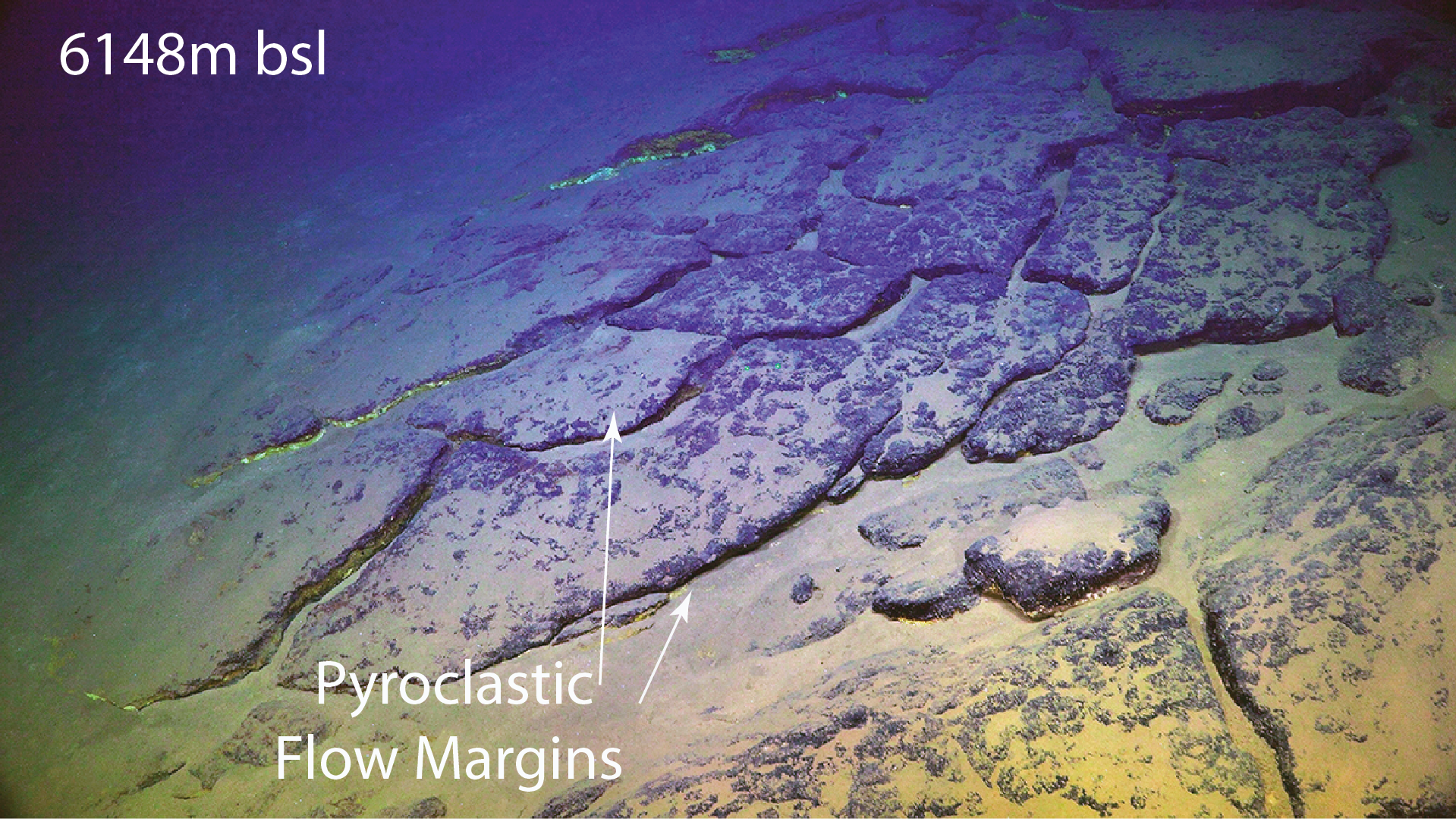
A remotely operated submarine detects evidence of explosive volcanic activity near Challenger Deep in the Mariana Trench, one of the most extreme environments on Earth. The finding stands out because the mission is aimed at collecting geological samples, and it reveals unexpectedly dynamic volcanic processes at extraordinary ocean depths.
Astronomers are modeling the possibility that an unseen Earth-sized planet lies beyond Neptune. Theoretical work and simulations suggest a distant world could help explain unusual motions in the outer solar system, keeping alive the idea that another major planet may still be waiting to be found far from the Sun.
Researchers report evidence that Einstein’s relativity alters how heavy atoms bond in molecules. In carbon-bismuth systems, relativistic effects appear to blur the usual distinction between sigma and pi bonding, changing expectations for triple-bond behavior and offering a clearer picture of how chemistry works for very heavy elements.
Archaeologists say the Iron Age ruler Verica was biologically female, revising a long-standing assumption about a figure tied to Rome’s invasion of Britain in AD 43. The finding suggests a woman held a central political role in the events leading to the Roman campaign, reshaping a familiar historical narrative.
Scientists find that wasps use specialized brain cells to recognize the faces of nestmates. The research shows that social visual recognition in insects can rely on dedicated neural machinery, adding to evidence that even small brains can support surprisingly refined processing of individual identity within complex social groups.





Top Science stories
- Robot submarine detects explosive volcanic activity near Challenger Deep in the Mariana Trench (5 sources)
- Scientists model a potential unseen Earth-sized planet beyond Neptune (4 sources)
- El Niño forecast raises flood, landslide, avalanche risks in Himalayan region (3 sources)
- Study finds type 2 diabetes raises risk of Alzheimer’s by about 53% (3 sources)
- Relativity reshapes chemical bonding in heavy atoms, Brown University study finds (2 sources)
- Study finds specialized brain cells help wasps recognize nestmate faces (2 sources)
- Archaeologists say Iron Age ruler Verica was female, revising accounts of Rome’s invasion of Britain (2 sources)
- Study identifies early cardiovascular warning patterns up to 30 years before heart attacks and strokes (2 sources)
Preston Herald
Author at IfHighLow