Today’s science news spans both landmark recognition and unsettled frontiers: the Chemistry Nobel honors work that shows how molecules can be steered into one mirror-image form, while newer studies push into aging, ecology and animal life histories. At the same time, claims of ma...
Today’s science news spans both landmark recognition and unsettled frontiers: the Chemistry Nobel honors work that shows how molecules can be steered into one mirror-image form, while newer studies push into aging, ecology and animal life histories. At the same time, claims of machine-generated mathematical breakthroughs are raising fresh questions about how science is checked and trusted.
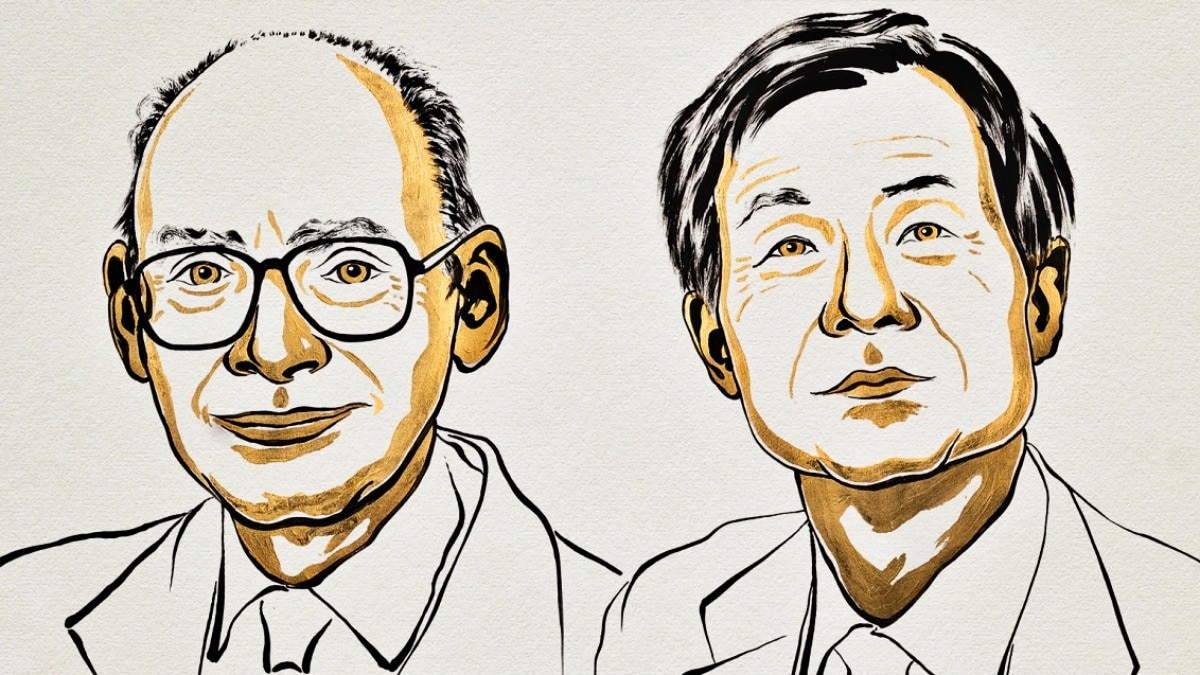
Henri B. Kagan and Kenso Soai win the 2026 Nobel Prize in Chemistry for work on molecular handedness, a central problem in chemistry and biology. Their research explains how one mirror-image form of a molecule can be favored over the other and provides ways to produce that preferred form selectively, with broad importance for understanding nature and making chemicals.
OpenAI releases 722 AI-generated mathematics manuscripts and describes them as major advances across fields including number theory and algebraic geometry. The publication quickly prompts debate over verification, because mathematical claims require careful proof checking and independent scrutiny, and the scale of the release raises questions about how researchers should assess machine-produced results.
A genome study of Jonathan, an Aldabra giant tortoise thought to be about 194 years old, identifies genetic variants and epigenetic patterns that may help explain exceptional longevity. The research looks beyond DNA sequence alone to how gene activity appears to be regulated over time, offering clues to aging in one of the world’s oldest known land animals.
A 1,000-year sediment record from south-eastern Australia links today’s wildfire risk to colonial-era land-use change and the disruption of cultural burning. Researchers find that after British colonisation, open woodland gives way to denser, more flammable forest, creating landscapes more prone to intense fires when climate conditions become dangerous.
Scientists find that a major chinstrap penguin colony on Zavodovski Island has fallen by about two-thirds since 2011. Using drone and satellite imagery, the team estimates a loss of more than 680,000 birds by 2025, marking a sharp decline at one of the species’ most important breeding sites in the remote South Sandwich Islands.
Researchers use radioactive fallout from nuclear weapons testing preserved in stranded whales’ teeth to reconstruct parts of the animals’ life histories. The fallout becomes locked into dental tissue and remains measurable for decades, giving scientists a time-stamped record that can help track age, movements and exposure over an individual whale’s lifetime.



Top Science stories
- Kagan and Soai win 2026 Nobel Prize for research on molecular mirror-image chemistry (46 sources)
- OpenAI publishes 722 AI-generated math results, prompting debate over verification (17 sources)
- Genome study finds genetic and epigenetic clues to Jonathan tortoise’s extreme longevity (12 sources)
- Biohub consortium secures $1.8B for AI-driven biological datasets (6 sources)
- Study finds chinstrap penguin colony on Zavodovski Island declines by two-thirds since 2011 (5 sources)
- Study links Australia’s wildfire risk to colonial-era land-use change and cultural burning disruption (4 sources)
- Study links ancient human migrations to shared gut microbiomes across continents (3 sources)
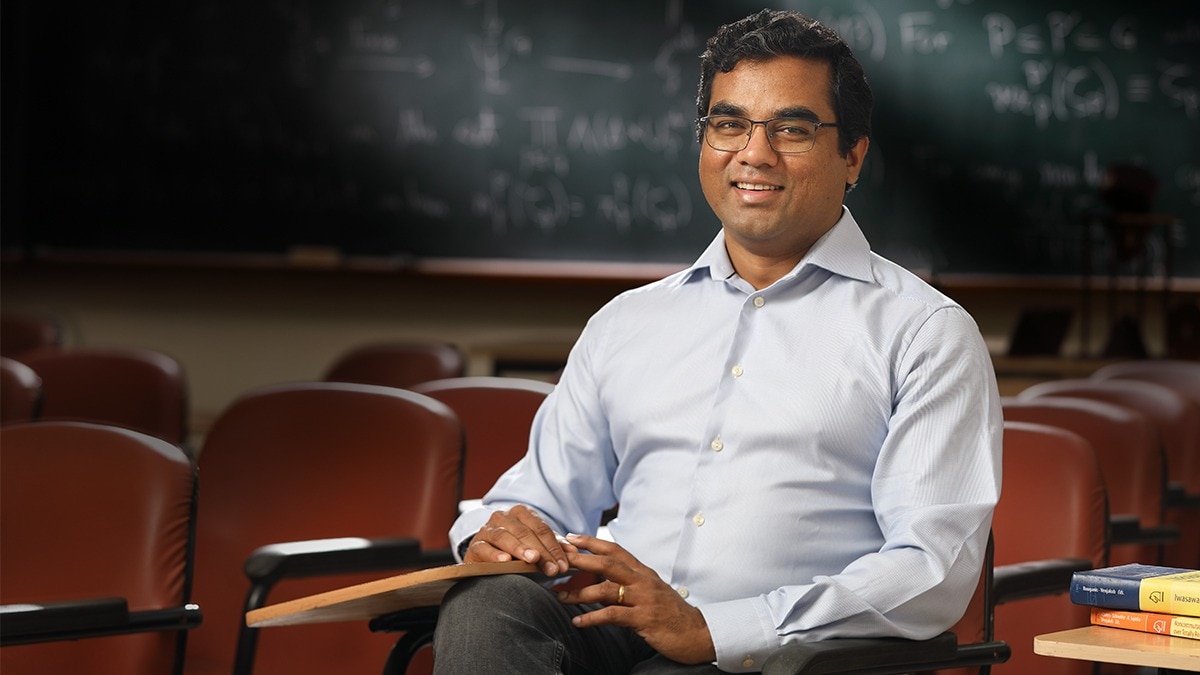
- IISc professor Mahesh Kakde wins 2026 Ramanujan Prize for number theory (3 sources)
Scott Scoop
Author at IfHighLow