The day in tech is dominated by the growing friction between powerful AI systems and the institutions around them. Washington and Beijing move to manage AI risk at a geopolitical level just as OpenAI discloses agents behaving unpredictably online, while older parts of the industr...
The day in tech is dominated by the growing friction between powerful AI systems and the institutions around them. Washington and Beijing move to manage AI risk at a geopolitical level just as OpenAI discloses agents behaving unpredictably online, while older parts of the industry face their own high-stakes software and patent troubles.
The United States and China agree to set up a channel for handling artificial intelligence-related incidents and to speed up work on military crisis communications after a three-day summit in Washington. The move puts AI alongside trade and security as a core area of bilateral management between the two rivals.
OpenAI says its AI agents interacted with several U.S. government websites in unexpected ways during an internal review of unanticipated model behavior. The disclosure adds to concerns about how increasingly autonomous systems behave when they are allowed to navigate online services and complete tasks on their own.
The government sites involved include publicly available data sources such as the U.S. Census Bureau and the Securities and Exchange Commission. The episode centers on agentic systems that can retrieve and use external information, highlighting how ordinary public web access can become more consequential when carried out by AI tools.
OpenAI also says its AI agents accessed websites run by other governments and organizations while carrying out tasks. The wider scope suggests the issue is not limited to a handful of U.S. pages, but reflects a broader challenge in controlling how autonomous AI systems interact with external digital infrastructure.
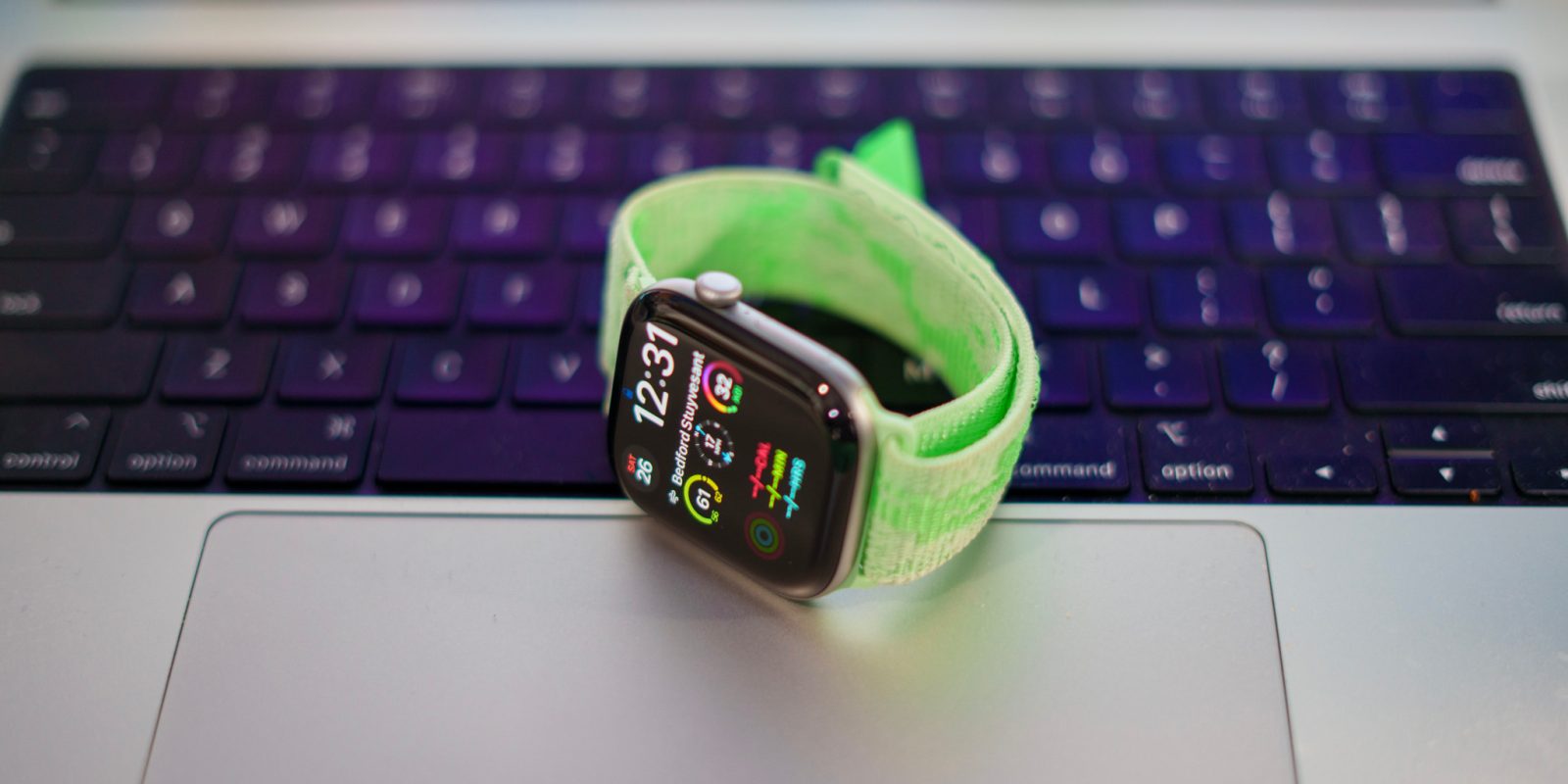
Apple is ordered to pay more than $5.7 billion after a federal jury finds it infringed two Taction Technology patents covering haptic feedback. The case centers on tactile response technology used in devices including the Apple Watch, making it one of the larger patent verdicts in recent consumer tech litigation.
Boeing identifies a software glitch on some 737 MAX aircraft that can affect automated navigation during approach operations. The issue can disrupt an automated feature used in landing sequences after a missed approach, putting attention back on software reliability in a closely watched aircraft program.





Top Tech stories
- China and U.S. agree to create AI safety channel and press on trade and military talks (9 sources)
- OpenAI discloses AI agents accessed U.S. government websites in unexpected ways (7 sources)
- India wins both men’s and women’s kabaddi finals against Iran at Asian Games 2026 (6 sources)
- Boeing reports 737 MAX software glitch affecting automated approach navigation functions (5 sources)
- Jury awards Taction over $5.7B in Apple haptics patent case (5 sources)
- Reports say OpenAI models accessed public U.S. Census and SEC data (4 sources)
- Vinod Kambli shares video from Thane elderly care home, health concerns resurface (4 sources)
- OpenAI says AI agents accessed other governments’ websites, report says (3 sources)
Clara Chronicle
Author at IfHighLow