Science news today spans both deep time and immediate human consequences: researchers push the observable frontier of the early universe, while new findings on climate, health and the natural world show how much remains unsettlingly unresolved. Space exploration also advances in...
Science news today spans both deep time and immediate human consequences: researchers push the observable frontier of the early universe, while new findings on climate, health and the natural world show how much remains unsettlingly unresolved. Space exploration also advances in parallel, with fresh puzzles on Mars and a key mission to Mercury staying on course.
Astronomers identify the most distant quasar yet seen, dating to about 630 million years after the Big Bang. The object is an intensely bright galactic core powered by a massive black hole, and its discovery offers a rare look at how large structures and black holes were already forming when the universe was still very young.
New research suggests climate change could sharply increase lightning frequency by the end of the century. The projected rise is tied to warmer atmospheric conditions that strengthen the ingredients needed for cloud-to-ground strikes, adding another way a hotter planet may amplify dangerous weather and related risks to people, infrastructure and landscapes.
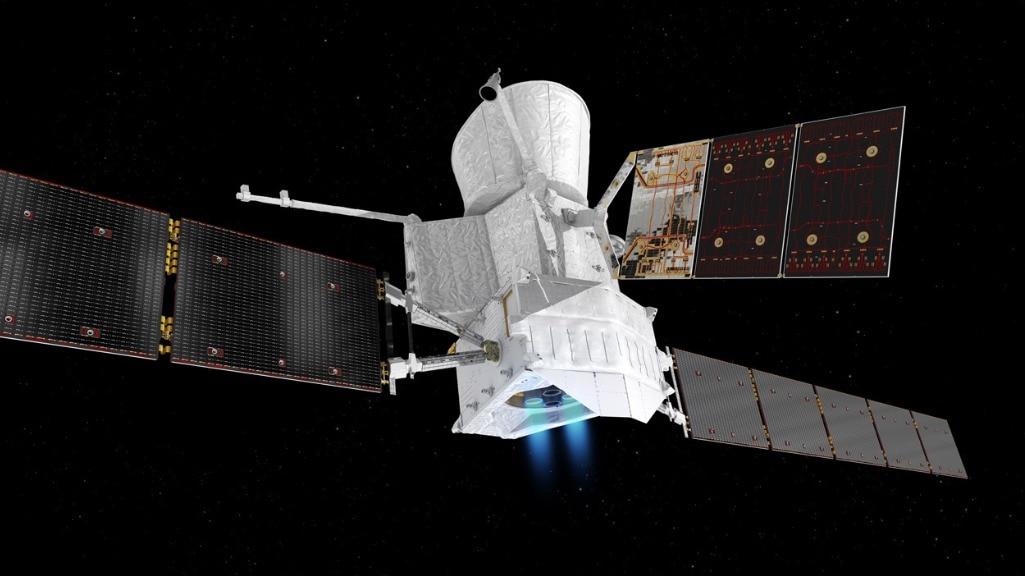
ESA says the BepiColombo mission to Mercury remains on track after a thruster glitch. Engineers are continuing planned operations while carrying out additional work to restore or refine the spacecraft’s trajectory, preserving the timetable for a mission designed to study the solar system’s innermost planet in detail.
NASA has identified unusually tidy rows of boulders on Mars that scientists cannot yet explain. The formation stands out because the rocks appear arranged in a strikingly regular pattern rather than a random scatter, raising new questions about what geological process could have produced such order on the Martian surface.
A study links eating a first meal after noon with higher risks of cardiovascular and overall mortality compared with eating earlier in the day. The findings add to growing interest in how meal timing affects health, though the result points specifically to an association rather than establishing that delayed eating directly causes those outcomes.
Researchers discover a new deep-sea clam species living inside the throat or esophagus of a sea urchin. The unusual arrangement expands understanding of symbiotic life in the deep ocean, especially because the clam occupies the urchin’s internal feeding area rather than attaching to the outside of its host.
Australia awards its 2026 Prime Minister’s Prize for Science to oncologist Georgina Long and subatomic physicist Anthony Thomas. The honor recognizes leading work in two very different fields, highlighting advances in cancer research and fundamental physics as part of the country’s top annual celebration of scientific achievement.



Top Science stories
- Scientists identify record-setting distant quasar formed 630 million years after Big Bang (10 sources)
- BepiColombo on track for Mercury science after thruster glitch, ESA says (4 sources)
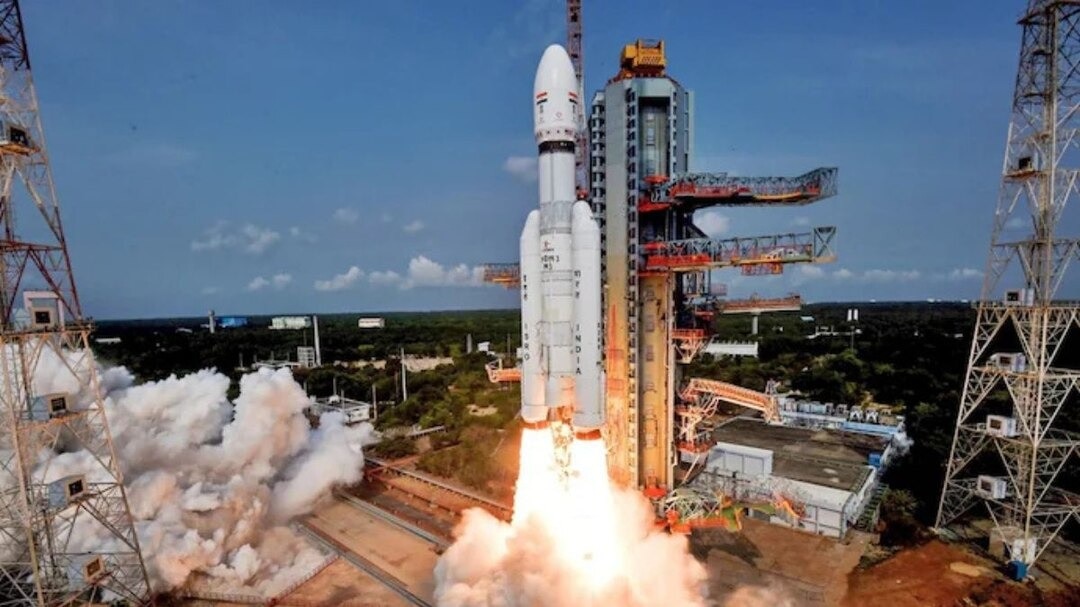
- India’s space economy seen reaching about $45 billion as minister cites reforms and private role (3 sources)
- Climate change could significantly increase lightning frequency by 2100 (2 sources)
- First meal after noon linked to higher cardiovascular and overall mortality risk (2 sources)
- Georgina Long and Anthony Thomas win Australia’s 2026 Prime Minister’s science prize (2 sources)
- NASA spots unexplained neat rows of boulders on Mars (2 sources)
- Deep-sea clam discovered living inside sea urchin’s throat (2 sources)
Logan Blogger
Author at IfHighLow