Science today spans deep space, the body and the infrastructure behind modern computing. The strongest thread is that researchers are finding new ways to measure what was once out of reach, from a spacecraft beyond the solar system to hidden brain disease, while also confronting...
Science today spans deep space, the body and the infrastructure behind modern computing. The strongest thread is that researchers are finding new ways to measure what was once out of reach, from a spacecraft beyond the solar system to hidden brain disease, while also confronting the earthly costs of technological growth.
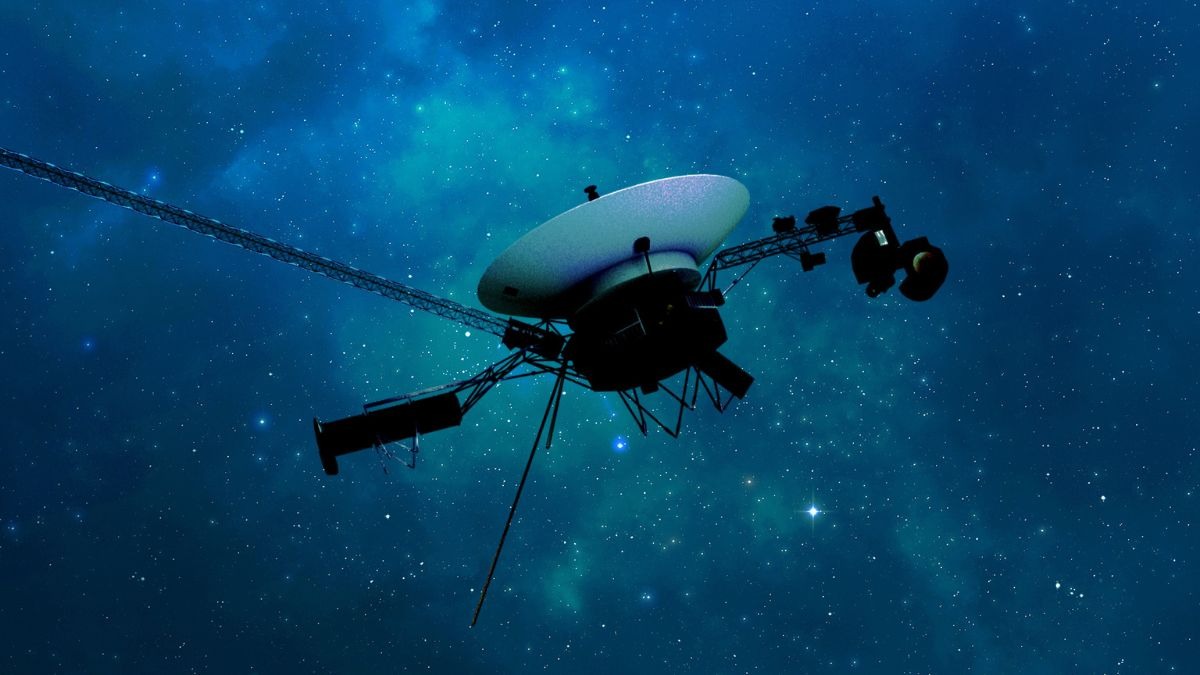
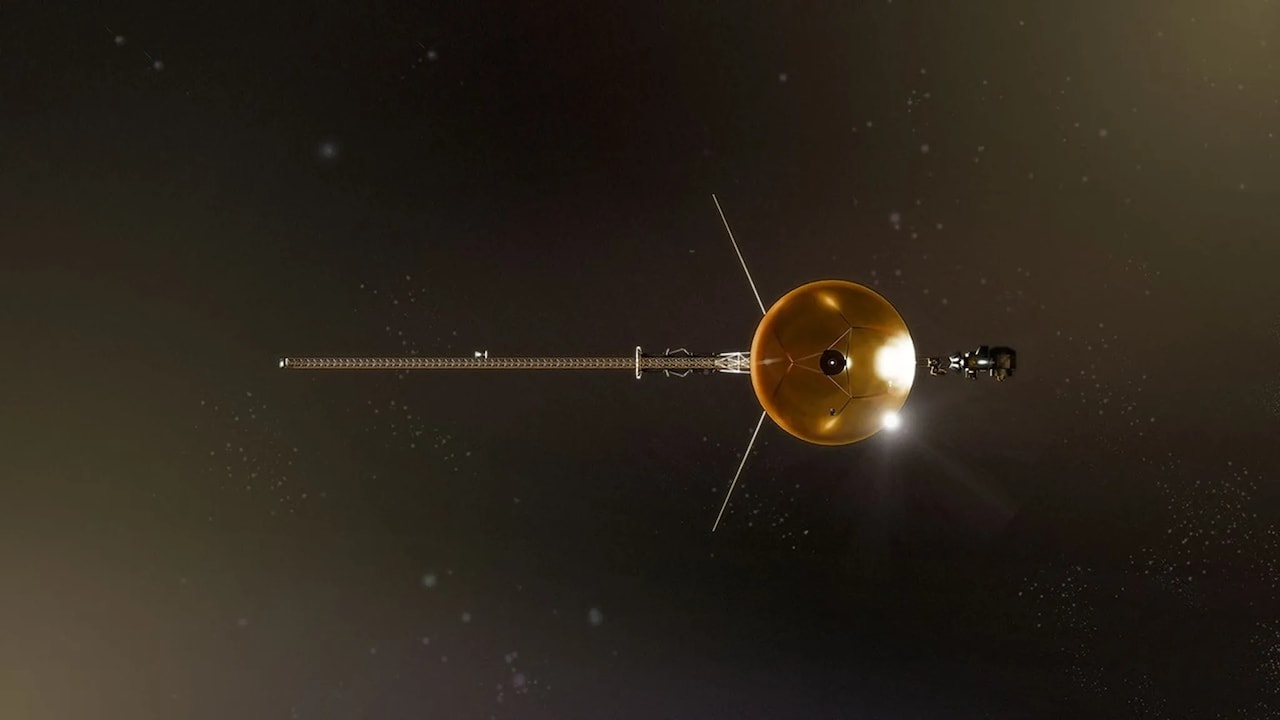
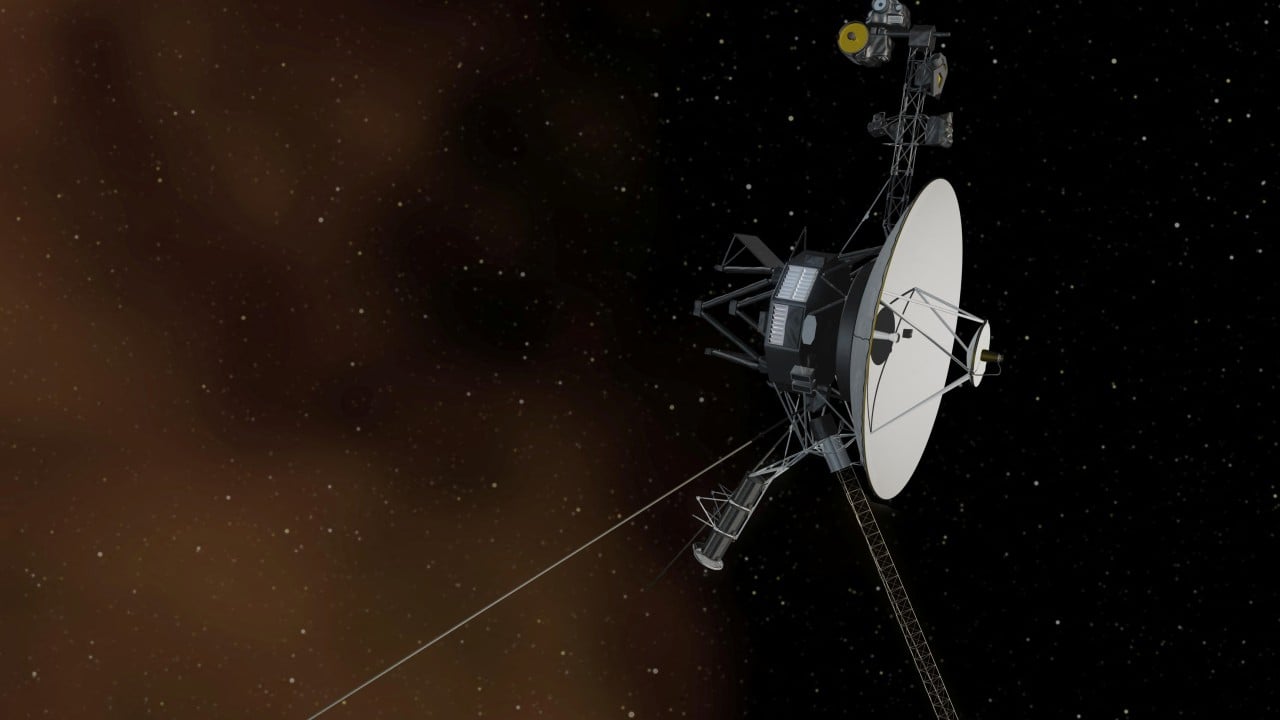
Voyager 1 sends another signal home from more than one light-day away, underscoring the durability of a spacecraft launched in 1977. The transmission reaches Earth about 24 hours after it is sent, in line with the time light takes to travel that distance, and marks a fresh milestone for humanity’s most distant operating probe.
The International Energy Agency warns that data-centre electricity demand could surge by 2030, with AI a major driver of growth. It says global power use by these facilities may roughly double this decade, bringing a significant rise in carbon emissions as expanding digital infrastructure continues to rely in part on fossil-fuelled electricity.
Researchers report progress toward the first blood test that could identify advanced chronic traumatic encephalopathy in living patients. CTE is currently confirmed only after death through examination of brain tissue, so the new studies point to a possible route for earlier detection of a disease linked to repeated head trauma.
Astronomers capture what appears to be the first direct view of a giant star swallowing a smaller companion in a stellar merger. The observation offers a rare window into a violent stage of stellar evolution, showing one star engulfing and absorbing material from another in an event long predicted but not previously seen so clearly.
An MIT-led study finds the pollution tied to data-centre electricity use can damage air quality far beyond the facilities themselves. Because the impact comes through the power system that supplies them, emissions linked to operating servers can affect communities at a distance, adding a public-health dimension to the expansion of AI-heavy computing.
Researchers grow potatoes in simulated lunar soil and report that the crop performs well when the regolith-like material is enriched with organic matter. The potatoes reach growth and yield levels comparable to those on Earth, and the study says they are safe to eat, a useful sign for future long-duration missions or lunar bases.
Engineers develop a wearable ultrasound patch that works without the usual sticky gel, using a dry, stretchable material to transmit sound waves through the skin. The design could make ultrasound imaging easier to wear for longer periods and move the technology closer to routine use outside clinics and hospitals.
A tagged wading bird known as Phil completes a round-trip migration of about 6,800 miles to Siberia and back. The journey highlights both the endurance of migratory birds and the growing value of tracking technology, which lets researchers map movements in far greater detail and improve understanding of how species use distant habitats.
Top Science stories
- Voyager 1 sends “phoned home” message from one light-day away (10 sources)
- IEA warns data centre power demand and emissions will surge by 2030 (7 sources)
- Potatoes successfully grown in simulated lunar soil, study says they are safe to eat (5 sources)
- Studies report first blood test with potential to detect CTE in living people (4 sources)
- Tracker reveals 6,800-mile migration by wading bird Phil to Siberia and back (3 sources)
- Study finds data centers’ electricity pollution harms air quality far from facilities (2 sources)
- Gel-free ultrasound patch uses dry stretchy material for wearable imaging (2 sources)
- Study examines how cross-class friendships affect social mobility (2 sources)
Paige Newsom
Author at IfHighLow