Science news today spans both the farthest and the most immediate frontiers: major new views of the universe and fresh scrutiny of nearby space arrive alongside stark warnings that climate action still lags the scale of the risk. The day also brings recognition for research excel...
Science news today spans both the farthest and the most immediate frontiers: major new views of the universe and fresh scrutiny of nearby space arrive alongside stark warnings that climate action still lags the scale of the risk. The day also brings recognition for research excellence and discoveries that reshape understanding of life and human behavior on Earth.
The world is heading toward an “irrecoverable overshoot” of dangerous warming thresholds unless emissions cuts accelerate sharply, a Climate Action Tracker assessment warns. The report says current government policies keep fossil fuels entrenched and raise the risk of long-lasting climate damage that becomes progressively harder to reverse as temperatures continue to climb.
Global climate action has largely stalled over the past five years even as warming continues, a separate assessment presented at a U.N. climate meeting says. It argues that limited progress comes from plans not being fully carried out, while gains in some areas are offset by decisions and practices that keep emissions high overall.
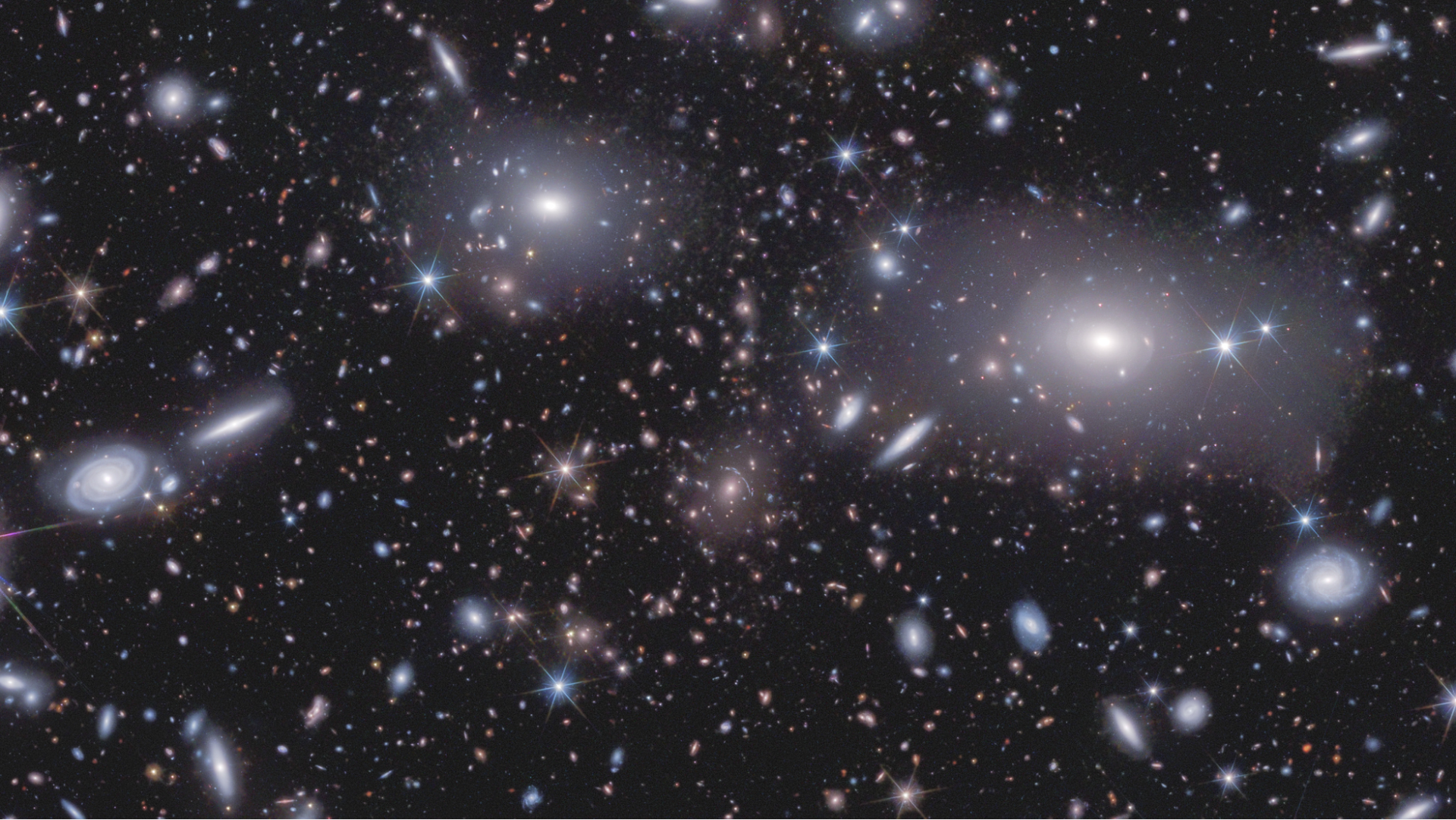
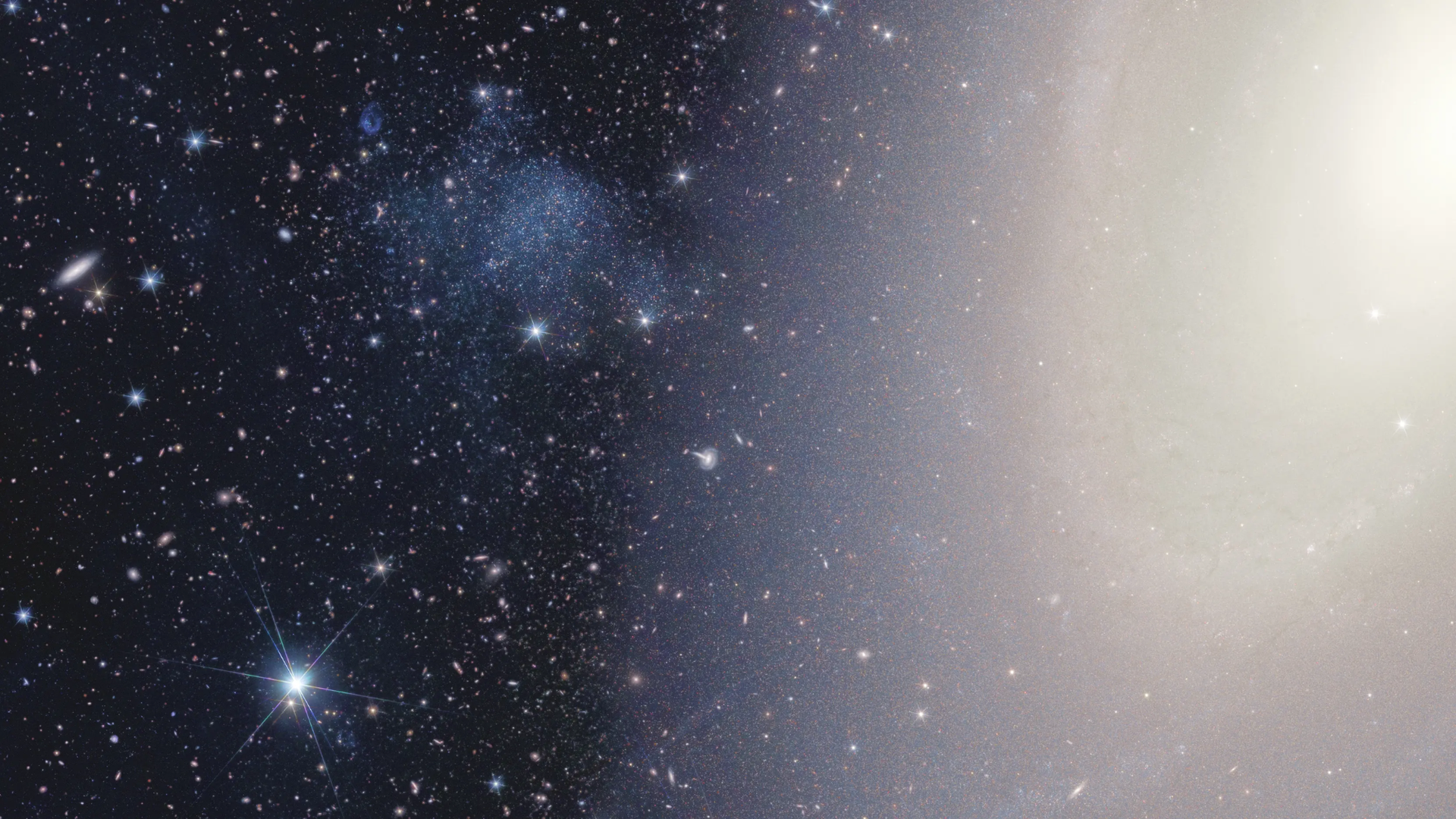
Europe’s Euclid space telescope releases its first major data batch, recording light from more than a billion objects in a broad early survey of the sky. The observations cover an area roughly equal to 9,500 full moons and mark a significant step toward building a vast three-dimensional map of the cosmos.
The European Space Agency’s Hera spacecraft is beginning close inspections of the asteroid system that includes Dimorphos, the body struck in NASA’s 2022 planetary defense test. The mission now moves into detailed on-site study of the Didymos-Dimorphos pair, aiming to show more clearly how the impact changed the smaller asteroid.
The Infosys Science Foundation names six winners of the Infosys Prize 2026, honoring research across fields including engineering and computer science, climate change, law and quantum technology. Each laureate receives a gold medal, a citation and a prize of $100,000 or the equivalent amount in Indian rupees.
Scientists report that near-Earth object 1998 KY26 is accelerating in a way gravity alone cannot explain, reviving questions about its nature. A study led by researchers at Georgia Tech finds the motion is consistent with a dehydrated asteroid rather than something artificial, as the object is also set to pass relatively close to Earth in coming years.
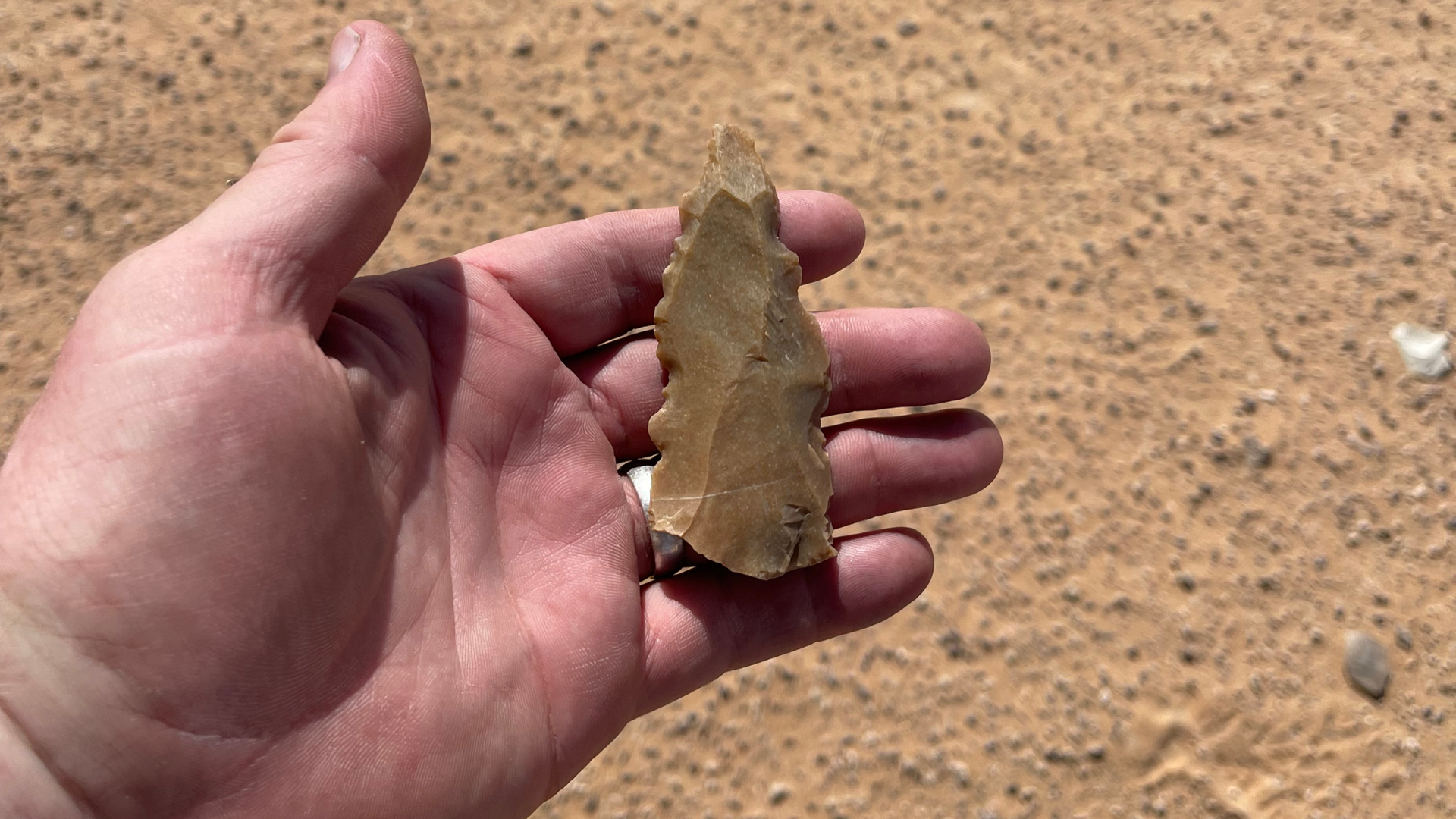
Archaeologists find evidence that people in Arabia may have used poison-assisted hunting about 125,000 years ago. Chemical traces on artifacts, along with stone and composite hunting tools, suggest some implements may have been prepared to help bring down large game, pointing to unexpectedly sophisticated hunting strategies in deep prehistory.
Researchers identify a new deep-sea shark species in the Indian Ocean after decades of misclassification. The species, named the Indian Bramble Shark, Echinorhinus roinee, is based on specimens collected off India and adds to scientific understanding of biodiversity in poorly studied ocean habitats.



Top Science stories
- Euclid telescope releases first major data batch for its 3D map of the cosmos (4 sources)
- Report warns world faces “irrecoverable overshoot” unless emissions cuts accelerate (3 sources)
- Europe’s Hera spacecraft begins close inspections of asteroid hit in 2022 defence test (3 sources)
- Infosys Science Foundation names six researchers as winners of the Infosys Prize 2026 (3 sources)
- Report says climate action stalls for five years as warming continues (2 sources)
- Mystery accelerating near-Earth object 1998 KY26 sparks lost-probe theories (2 sources)
- Evidence of poison-assisted hunting found in Arabia 125,000 years ago (2 sources)
- Scientists identify new Indian Ocean bramble shark after decades of misclassification (2 sources)
Nina Websworth
Author at IfHighLow