Today’s science news centers on hidden vulnerability and hidden diversity, from ecosystems pushed closer to collapse by climate extremes to species and genetic differences only now coming into focus. At the same time, researchers describe rare places and objects that remain unusu...
Today’s science news centers on hidden vulnerability and hidden diversity, from ecosystems pushed closer to collapse by climate extremes to species and genetic differences only now coming into focus. At the same time, researchers describe rare places and objects that remain unusually untouched or unseen, underscoring how much of the natural world is still poorly mapped.
Climate change is sharply raising extinction risk for cacti across the Americas, with extreme drought emerging as a major driver alongside warming. The studies argue that standard biodiversity forecasts can miss much of the damage when they rely on long-term average conditions and fail to account for increasingly frequent and severe weather extremes.
A large genetic analysis finds that variants affecting responses to common medicines are nearly universal. In a sample of almost 100,000 people, every participant carries at least one gene variant linked to the way the body processes widely prescribed drugs, strengthening the case for broader use of pharmacogenetic testing in routine care.
Researchers identify two remote Pacific atolls that appear to show minimal human impact, making them rare examples of ecosystems that remain close to intact. The finding stands out because most of Earth now bears some clear human imprint, and these sites may offer an important baseline for understanding relatively undisturbed marine environments.
Genomic work on Amazonian howler monkeys identifies two previously unrecognized species, expanding the known diversity of the group. The study combines DNA evidence with physical characteristics and museum specimens to clarify relationships across the genus and support a revised classification of these rainforest primates.
A £6 million restoration effort is moving ahead in Scotland’s Atlantic rainforest, one of the country’s rarest and most species-rich habitats. The lottery-backed project includes new regional hubs in Torridon, Morvern and mid-Argyll that are meant to provide training and support for conservation work as restoration expands.
Astronomers are investigating an unseen object in a distant star system after indirect evidence reveals something massive influencing the observations without being directly detected. One possibility is a rare supermassive neutron star, though the source remains uncertain and follow-up work is underway to determine what is producing the signal.
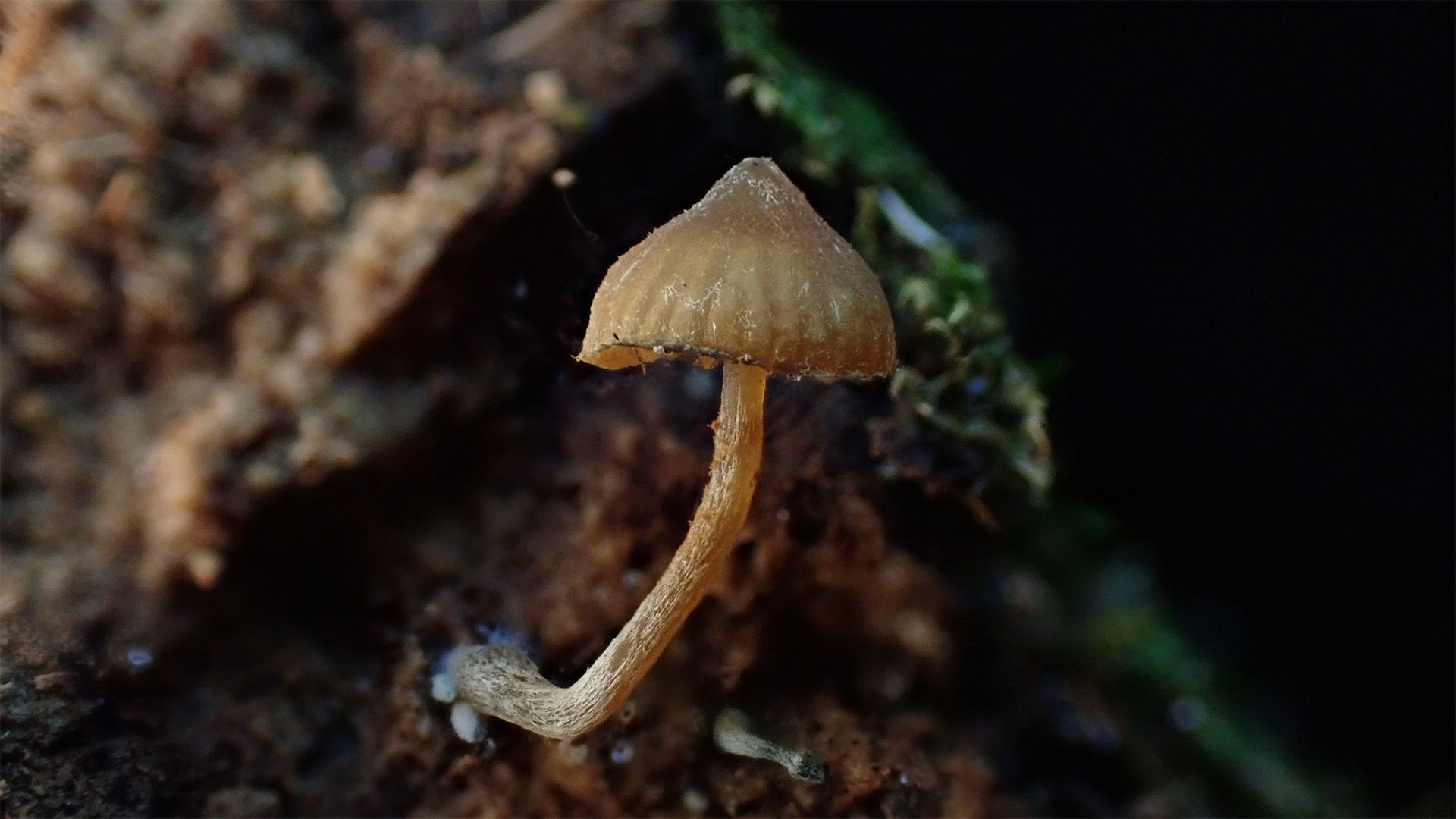
Scientists in Florida describe a mushroom that appears to combine hallucinogenic properties with poisonous compounds that can be deadly. If confirmed as outlined, it would be the first known species to unite psychedelic and toxic traits in the same mushroom, making it unusual both chemically and from a public health perspective.
Fossils from southern Thailand have led researchers to identify a giant rodent that lived about 34 million years ago. Based on remains recovered from a coal mine, including a notably large tooth, the animal is estimated to have weighed around 66 pounds, placing it among the larger rodents known from that period.


Top Science stories
- Florida Researchers Identify Mushroom With Both Hallucinogenic and Deadly Toxins (3 sources)
- Artemis II rocket burns disturb Earth’s ionosphere, study finds potential GPS effects (2 sources)
- Study finds transient nuclear softening in mouse embryos during zygotic gene activation (2 sources)
- Extreme drought and warming threaten cactus survival across the Americas (2 sources)
- New modeling challenges idea that comets delivered life's building blocks to Earth (2 sources)
- Scientists identify two remote Pacific atolls described as remarkably untouched (2 sources)
- Scientists identify giant 66-pound rodent from Thailand fossils dating to about 34 million years ago (2 sources)
- Lottery backs £6m project to restore Scotland’s rare Atlantic rainforest (2 sources)
Cora Content
Author at IfHighLow