Today’s science news ties big questions to practical limits: researchers probe how conflict and consumer behavior shape emissions, while medical and biological studies show both the promise and the uncertainty of new ways to read signals from nature and the body. Even lighter dev...
Today’s science news ties big questions to practical limits: researchers probe how conflict and consumer behavior shape emissions, while medical and biological studies show both the promise and the uncertainty of new ways to read signals from nature and the body. Even lighter developments, from Roman frog bones to a planetary pairing, turn on fresh interpretation of familiar observations.
Global fossil-fuel carbon dioxide emissions are projected to dip slightly in 2026, but researchers say the change does not reflect a decisive climate breakthrough. Instead, the decline is linked mainly to the Iran war’s disruption of oil markets, which raises prices and reduces fuel consumption, underscoring how geopolitical shocks can move emissions faster than policy progress.
Labels showing a flight’s emissions on airline booking sites appear to change consumer choices only marginally. The study finds that many travelers still misunderstand aviation’s environmental impact, suggesting that simple labels do not consistently convey what higher- or lower-emitting options mean and may be too weak on their own to shift booking behavior substantially.
Early studies are testing whether artificial intelligence can read smartwatch ECG data to detect left ventricular systolic dysfunction, a form of reduced heart pumping function. The results are mixed: one system shows potential to identify people who may need further evaluation, but performance varies, highlighting both the appeal and the current limits of wearable heart screening.
Biomarkers are measurable signs in the body that help doctors track disease, gauge risk, and predict how patients may respond to treatment. Current explanations emphasize that researchers increasingly combine patient data with cellular and molecular measurements to find new markers, with the goal of making diagnosis and care more precise across different diseases.
Researchers say the mystery of roughly 8,000 frog bones found in a Roman-era ditch in Britain now has an explanation. The new work identifies what the deposit represents and how the remains likely accumulated there, resolving a long-standing archaeological puzzle about whether the concentration reflected human activity, natural processes, or some combination of the two.
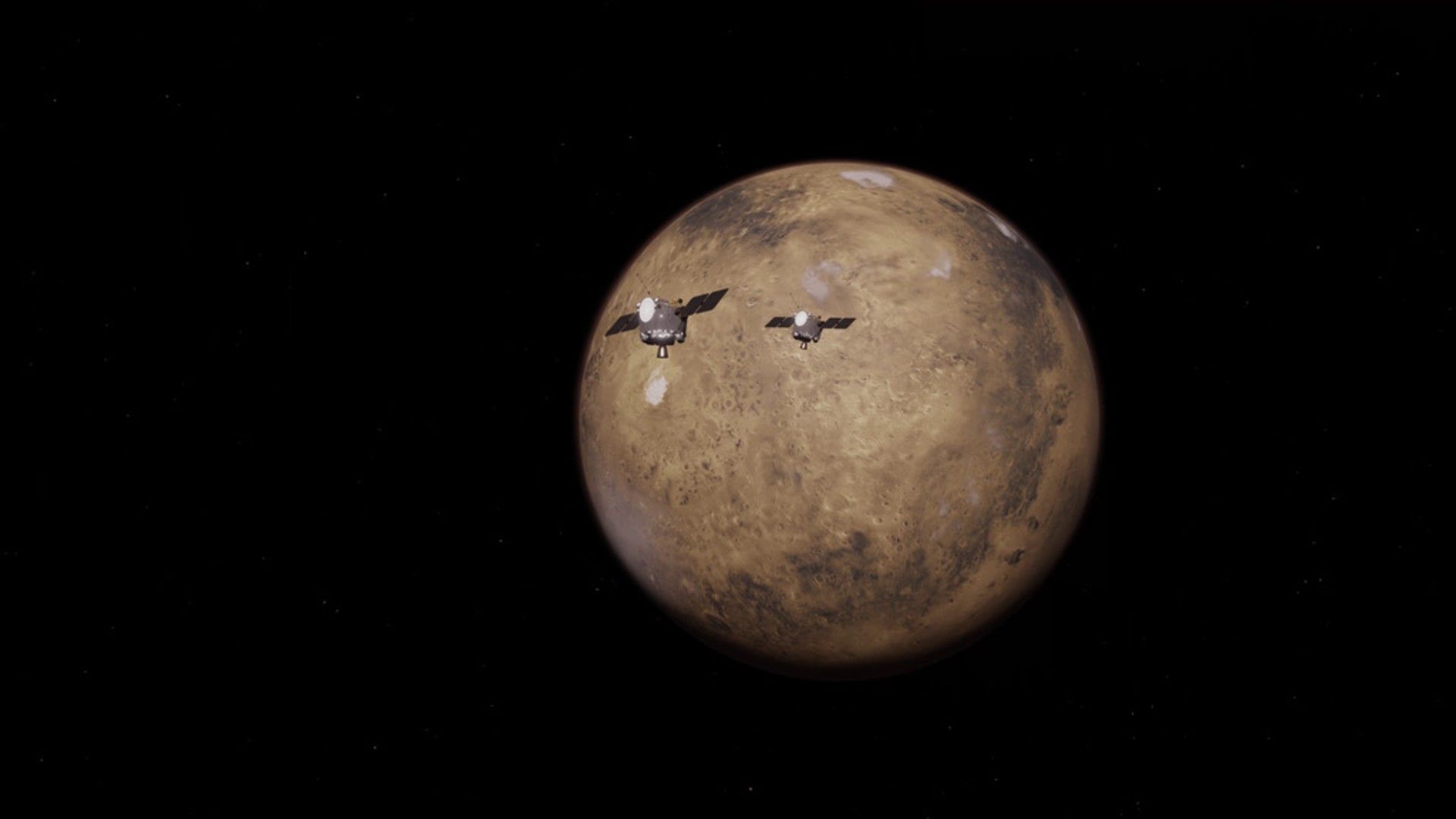
Mars and Jupiter are set to appear very close together in the pre-dawn sky around November 15 and 16. The event is a visual alignment rather than a true near approach in space, but it offers an easy target for skywatchers looking east before sunrise as the two bright planets draw attention this month.

Top Science stories
- Iran war oil shock drives slight 2026 drop in fossil-fuel CO2, study says (18 sources)
- Scientists identify why 8,000 frog bones were deposited at a Roman-era site in Britain (3 sources)
- Biomarkers Explained: Using Patient Data and Combined Cells to Find New Health Markers (2 sources)
- Mars and Jupiter appear close together in the sky on November 15–16 (2 sources)
- Studies test smartwatch AI ECG for detecting reduced heart pumping function, with mixed results (2 sources)
- Study finds emissions labels on airline booking sites have limited impact (2 sources)
Finn Feedman
Author at IfHighLow