Today’s science news ties climate and behavior together, from forecasts that El Niño could intensify global heat and mortality to evidence of how people, animals and ecosystems respond under pressure. The picture is mixed: mounting risks from warming sit alongside new tools for p...
Today’s science news ties climate and behavior together, from forecasts that El Niño could intensify global heat and mortality to evidence of how people, animals and ecosystems respond under pressure. The picture is mixed: mounting risks from warming sit alongside new tools for prediction and signs of resilience in both wildlife and past societies.
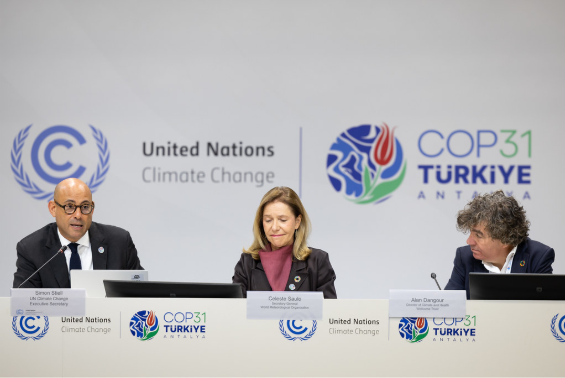
The World Meteorological Organisation warns that a strong El Niño could combine with human-caused warming to make 2027 the hottest year ever recorded. The concern is that a natural climate pattern that raises global temperatures would arrive on top of an already warmer baseline, increasing the chance of fresh heat records and wider climate impacts.
A study in Nature Medicine links very strong El Niño events to a major rise in heat-related deaths worldwide. Researchers estimate such episodes are associated with about 107,000 additional heat deaths each year compared with neutral conditions, even as they coincide with roughly 113,000 fewer cold-related deaths, underscoring the uneven human health burden of extreme climate swings.
Researchers say microscopic mineral crystals inside volcanoes may offer a new window into what magma is doing underground and when an eruption might be approaching. By analyzing plagioclase crystals from Argentina’s Tuzgle volcano with high-resolution imaging and chemical mapping, the team traces changes in magma conditions that could sharpen eruption forecasting.
New research argues that India’s fertilizer subsidy system imposes broader costs that outweigh its headline benefits. By keeping urea relatively cheap, the policy encourages heavier nitrogen use, the study says, contributing to soil damage and environmental harm while creating hidden economic and fiscal costs beyond the direct budget outlay.
A study of more than 1,500 ancient Peruvians finds that everyday interpersonal violence remained rare even during severe El Niño flooding that disrupted food supplies. Using skeletal evidence, researchers conclude that ecological stress did not automatically translate into widespread routine conflict, adding nuance to assumptions about how past societies responded to climate shocks.
Scientists find that chimpanzees can learn a “raspberry” call from adults, pointing to learned vocal conventions in great apes. The work suggests at least some chimp sounds are socially acquired rather than purely innate, offering a possible parallel with how human children learn shared communicative forms within a group.
New figures suggest Britain’s hazel dormouse may be showing signs of recovery after decades of decline. The apparent improvement follows conservation and monitoring efforts, and may also reflect better survival in warmer summer conditions, though the species remains a sensitive indicator of how small mammals respond to changing habitats and climate.


Top Science stories
- New data suggests Britain’s hazel dormouse may be recovering after decades of decline (2 sources)
- WMO warns strong El Niño could make 2027 the hottest year on record (2 sources)
- Study says India’s fertiliser subsidy costs outweigh benefits, including environmental impacts (2 sources)
- Study links very strong El Niño events to more than 100,000 heat-related deaths annually (2 sources)
- Ancient Peruvians show rare everyday violence despite El Niño flooding and ritual sacrifices (2 sources)
- Study finds chimpanzees learn adult “raspberry” calls, suggesting learned vocal conventions (2 sources)
- Fossil owl from Germany’s Messel Pit suggests owls were still active in daylight (2 sources)
- Tiny mineral crystals may help reveal volcanic activity and possible eruption timing (2 sources)
Logan Blogger
Author at IfHighLow