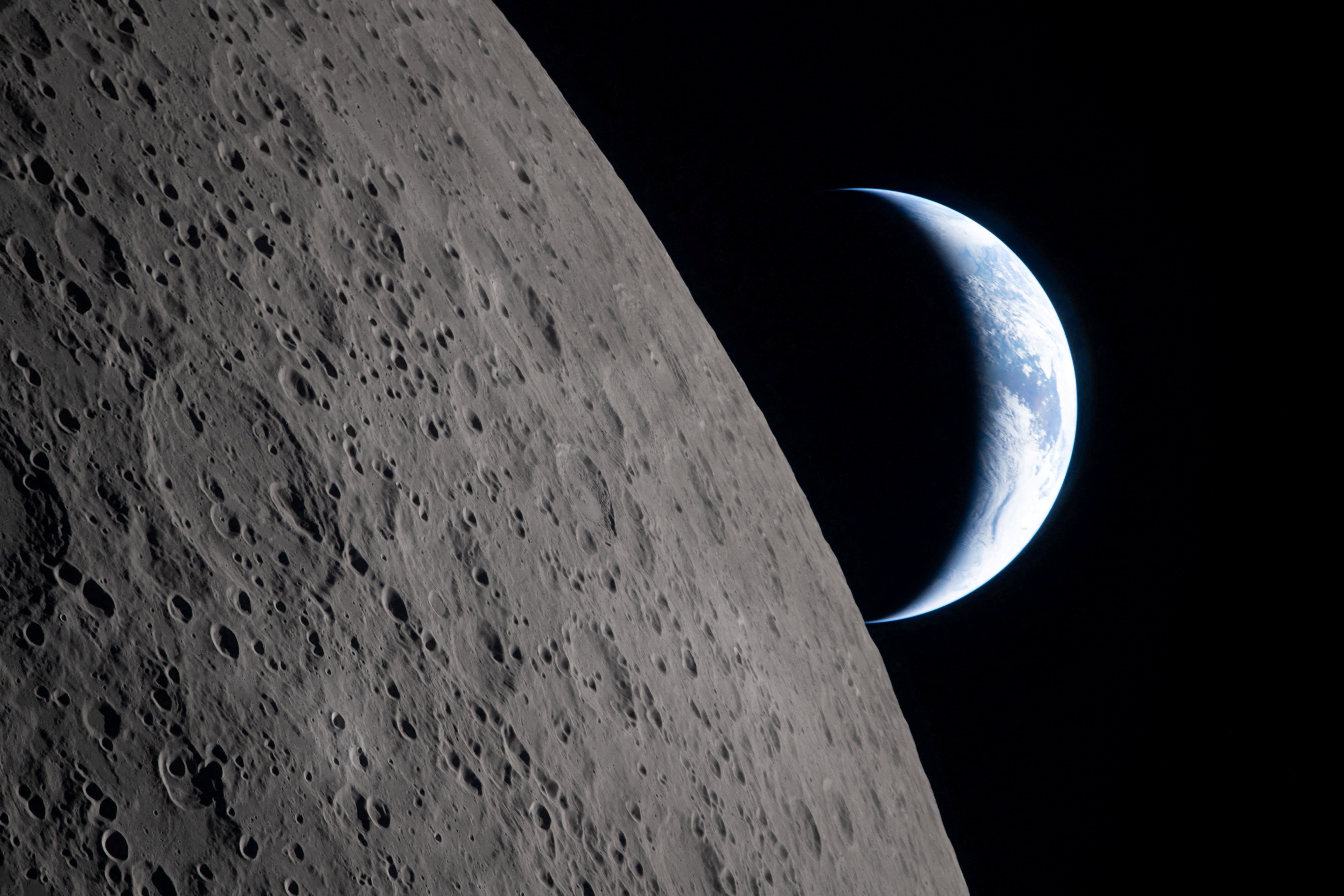
Moon exploration drives the day in science news, with NASA pairing near-term field science at the lunar south pole with longer-term planning for sustained surface operations. Elsewhere, a fossil study stirs debate by claiming traces of ancient blood cells may survive in dinosaur...
Moon exploration drives the day in science news, with NASA pairing near-term field science at the lunar south pole with longer-term planning for sustained surface operations. Elsewhere, a fossil study stirs debate by claiming traces of ancient blood cells may survive in dinosaur bone, highlighting how contested evidence can reshape paleontology.
NASA opens competition for a lunar cargo lander contract worth up to $10 billion, a major step toward supporting a more permanent human and robotic presence on the Moon. The work is meant to move supplies and equipment for future surface operations, giving multiple aerospace companies a chance to compete for a central role in building out lunar infrastructure.
NASA plans to launch the PROMISE rover to the Moon’s south pole in 2028 to investigate one of the most strategically important regions for future exploration. The rover carries a drill to extract lunar regolith so scientists can test for ice and other usable resources, data that could shape both scientific priorities and long-term mission planning.
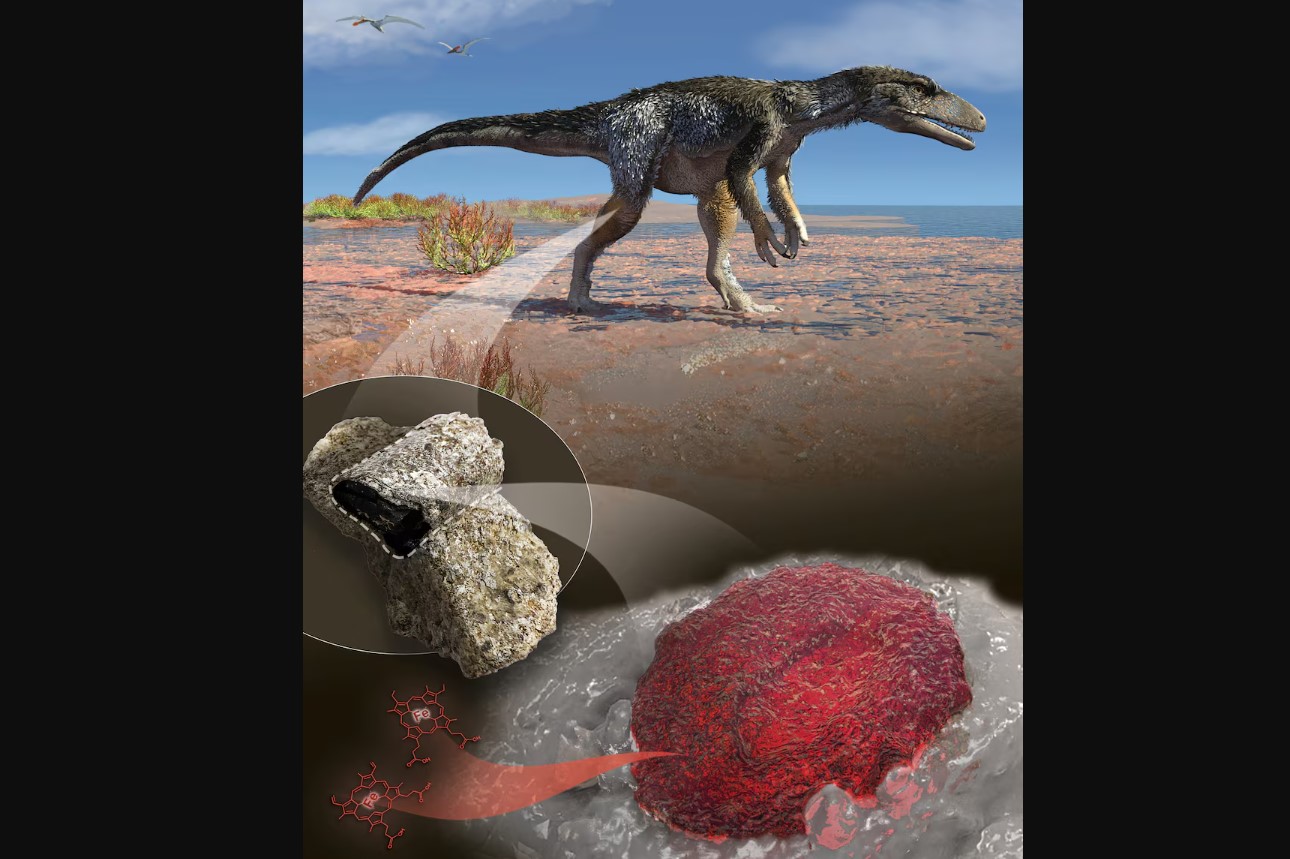
A new dinosaur fossil study from Brazil reports microscopic structures in a leg bone of Aratasaurus museunacionali that researchers say resemble preserved red blood cells. The animal lived about 115 million years ago in the Cretaceous Period. The finding, if confirmed, would be unusual evidence of soft-tissue preservation, though other experts question the interpretation.



Top Science stories
Nina Websworth
Author at IfHighLow