Today’s science news ranges from breakthroughs in understanding deep time and distant planetary remnants to practical advances with immediate human stakes. The throughline is sharper resolution: scientists are filling major gaps in knowledge, while energy and climate-related rese...
Today’s science news ranges from breakthroughs in understanding deep time and distant planetary remnants to practical advances with immediate human stakes. The throughline is sharper resolution: scientists are filling major gaps in knowledge, while energy and climate-related research points to changes that could reshape daily life.
India is on track for major renewable expansion by 2030, with forecasts showing especially strong growth in solar power. Installed solar capacity could rise past 350 gigawatts by the end of the decade, driven by large utility projects, rooftop systems and corporate demand, marking one of the world’s biggest clean-energy buildouts.
The polar vortex is weakening unusually early, raising the possibility that colder Arctic air could spill farther south across parts of the Northern Hemisphere. Meteorologists say the disruption increases the risk of significant cold spells, but they also caution that the timing, location and intensity of any impacts remain uncertain.
Scientists say they have solved the puzzle of the Great Unconformity, a vast gap in Earth’s rock record that removes as much as a billion years of geologic history. The work offers an explanation for how that missing interval formed and helps clarify a major chapter in the planet’s deep past.
Hong Kong University of Science and Technology president Nancy Ip receives a UNESCO life sciences prize for research that advances neuroscience and Alzheimer’s disease detection. Her work helps support earlier diagnosis and better monitoring of the disease, and the award recognizes a career of contributions with direct medical significance.
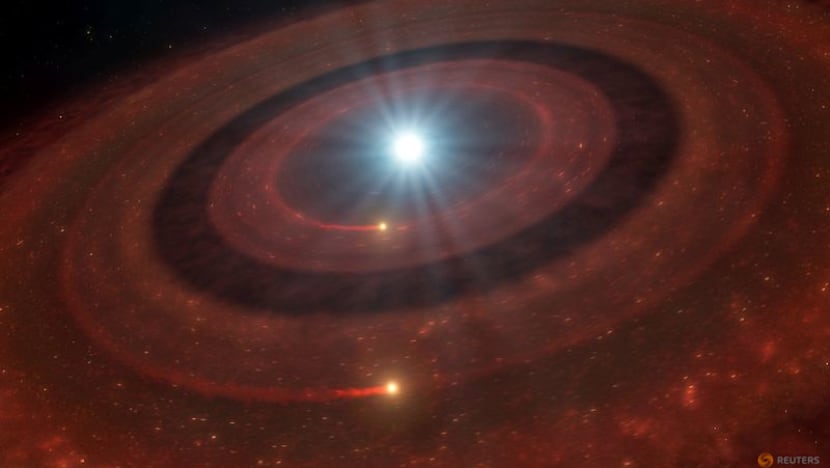
Astronomers have observed a white dwarf about 1,600 light-years away that is surrounded by two separate rings of planetary debris. The system offers a rare look at what can happen to planets and smaller bodies after a star dies, giving researchers another window into the long-term evolution of planetary systems.





Top Science stories
- HKUST President Nancy Ip wins UNESCO prize for Alzheimer’s and neuroscience research (2 sources)
- Polar vortex disrupts early, prompting warnings of possible Northern Hemisphere cold spells (2 sources)
- Scientists identify cause of Earth’s “Great Unconformity,” missing up to a billion years of rock (2 sources)
- Astronomers observe white dwarf surrounded by two rings of planetary debris (2 sources)
- IEA and industry forecasts project major solar and renewable capacity growth in India by 2030 (2 sources)
Brooke Webley
Author at IfHighLow