Science news today spans both long-range ambition and close observation: researchers and institutions are testing how people, ecosystems and energy systems might adapt to the future. From simulated Mars living to fossil evidence, species recovery and renewable planning, the commo...
Science news today spans both long-range ambition and close observation: researchers and institutions are testing how people, ecosystems and energy systems might adapt to the future. From simulated Mars living to fossil evidence, species recovery and renewable planning, the common thread is using evidence from the present and deep past to guide what comes next.
A four-person crew emerges after 378 days inside NASA’s simulated Mars habitat in Houston, completing a major isolation study tied to planning for future human missions to the red planet. The Chapea project tests how crews cope with confinement, limited resources and mission-like conditions inside a 3D-printed environment designed to mirror aspects of Martian living.
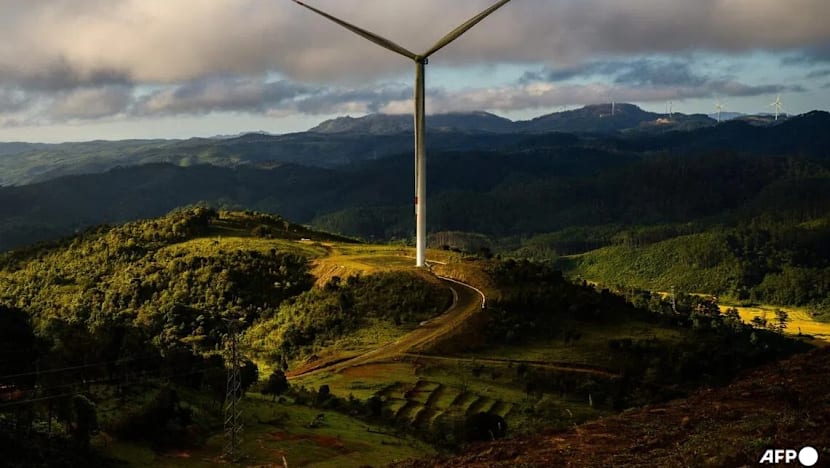
Laos is expanding its renewable energy ambitions by exploring wind power alongside its longstanding reliance on hydropower. The shift reflects a broader regional push in Southeast Asia to diversify electricity generation, as countries weigh the benefits and limits of heavy dependence on hydro while trying to broaden cleaner energy supply.
Fossils from China dating to about 237 million years ago are being reconstructed as Gerrothorax, a flat-bodied, armoured amphibian that researchers say appears to have lived entirely in marine environments. The well-preserved remains offer a clearer view of the animal’s anatomy and add to evidence about how some amphibians adapted to ancient seas.
A rare short-necked oil beetle has been rediscovered in Wales for the first time in nearly 60 years, marking a notable find for conservationists. The species turns up at Castlemartin in Pembrokeshire and is known for its compact shape and for releasing an oily defensive substance from its knee joints when disturbed.
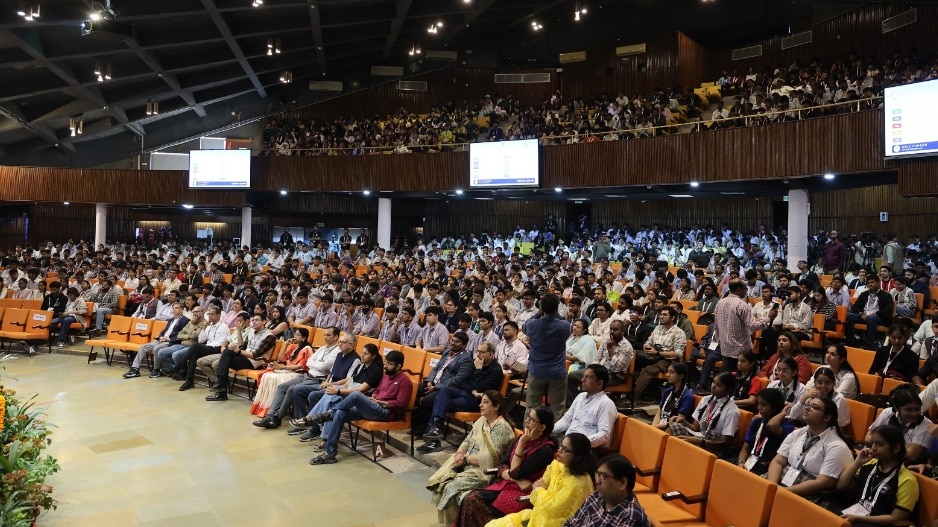
IIT Delhi’s Open House draws thousands of students and visitors to explore more than 500 research presentations and technology demonstrations. The event showcases a broad cross-section of current work across the institution, giving attendees a chance to engage directly with projects and research themes spanning science, engineering and innovation.




Top Science stories
- Laos explores wind energy as it diversifies renewables beyond hydropower (2 sources)
- Late Triassic fossil suggests amphibian lived entirely in marine environments (2 sources)
- Rare short-necked oil beetle rediscovered in Wales after nearly 60 years (2 sources)
- IIT Delhi Open House draws thousands to view 500-plus research presentations (2 sources)
Paige Webley
Author at IfHighLow