Today’s science news links deep time, living systems and the climate transition. Researchers trace how biological clocks can mislead ocean migrants, map an entire adult vertebrate cell by cell, and identify an ancient Martian rock, while other studies and policy reports highlight...
Today’s science news links deep time, living systems and the climate transition. Researchers trace how biological clocks can mislead ocean migrants, map an entire adult vertebrate cell by cell, and identify an ancient Martian rock, while other studies and policy reports highlight how human pressures and clean-technology flows are reshaping Earth’s future.
China’s surge in clean-technology exports is now large enough to cut projected global emissions, a new analysis finds. Rising shipments of solar equipment, wind gear and other low-carbon technologies are helping meet stronger overseas demand for renewable energy, extending China’s influence beyond manufacturing into the pace and scale of the global energy transition.
A related projection says China’s 2026 exports of solar panels, wind turbines, electric vehicles and batteries could avoid carbon dioxide emissions on a very large scale. The estimate underscores how trade in clean-energy equipment can affect emissions far beyond China’s borders as countries add power capacity, electrify transport and expand energy storage.
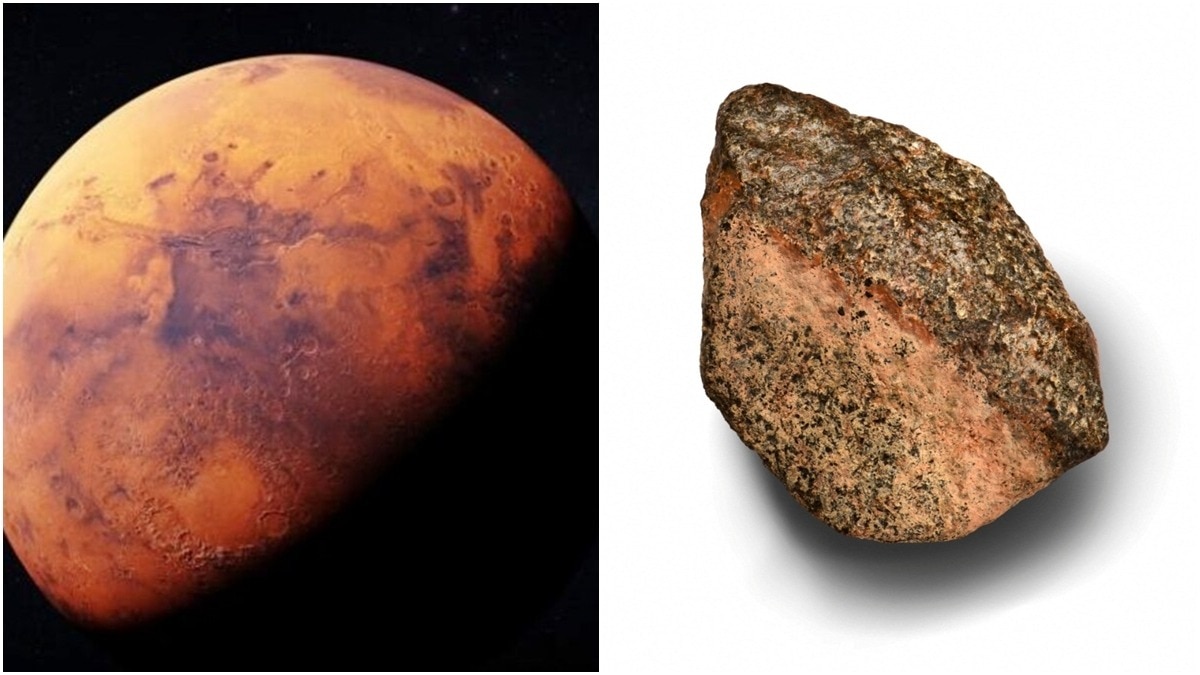
Scientists have dated the Martian meteorite Teghaza 001, found in Mali’s Sahara in 2022, to at least 4.1 billion years old. Its mineral makeup suggests it formed in Mars’s early crust, making it one of the oldest known pieces of Mars on Earth and a rare sample from the planet’s earliest history.
Manx shearwaters appear to suffer a bird version of jet lag during fast trans-Atlantic flights, researchers find. When the birds’ internal clocks drift out of sync with local time, they make predictable navigation mistakes while using the sun as a compass, showing that long-distance migration can be shaped by the limits of biological timekeeping.
Researchers have produced what they describe as the first whole-body single-cell atlas of an adult vertebrate, using the tiny transparent fish Danionella cerebrum. The map tracks cells across the animal’s body, including tissues that are hard to study in other species, offering a new reference for how vertebrate organs and systems are built.
Madagascar’s large flying foxes are shrinking over time, scientists report from historical evidence. The findings suggest that some of the world’s biggest bats are becoming smaller, and researchers suspect hunting and other human pressures may be contributing to the change, raising new concerns about the condition of these animals and their habitats.
African countries face major biodiversity funding gaps ahead of the COP17 biodiversity summit, African Development Bank officials say. The shortfall limits conservation efforts and highlights a persistent problem in global biodiversity policy: ambitions to protect ecosystems are outpacing the financing available to carry them out.
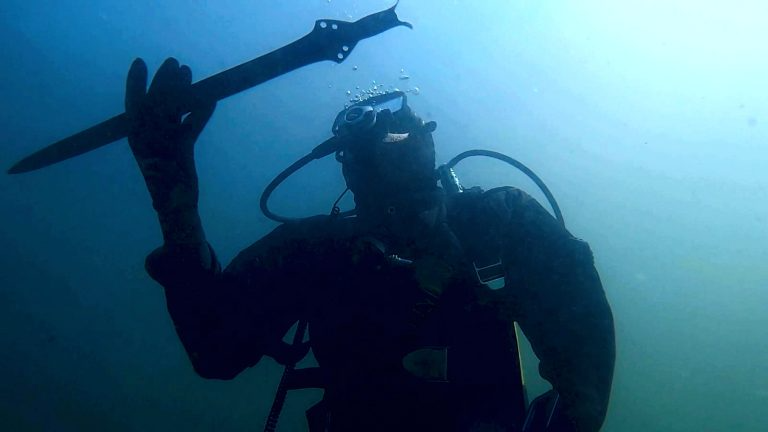
Archaeologists have recovered a Bronze Age sword from a volcanic crater lake in Italy, dating to about 3,300 years ago. The weapon is reported to remain strikingly sharp despite spending millennia underwater, offering an unusually well-preserved example of ancient metalwork from the period.




Top Science stories
- Study finds seabirds can get “jet lag,” leading to predictable navigation errors (5 sources)
- Study finds Madagascar’s flying foxes shrinking, with hunting suspected (3 sources)
- China’s clean-tech exports in 2026 projected to avert emissions on a Brazil-sized scale (2 sources)
- AfDB official highlights funding gaps for biodiversity ahead of CBD COP17 (2 sources)
- NASA-funded scientists date Sahara meteorite Teghaza 001 to over 4.1 billion years old (2 sources)
- Archaeologists recover a 3,300-year-old sword from Italy’s volcanic crater lake, reportedly still sharp (2 sources)
- Scientists publish first whole-body single-cell atlas of adult vertebrate Danionella cerebrum (2 sources)
- Study finds shared “universal” rhythm and pitch patterns in bird song and human speech (2 sources)
Scott Scoop
Author at IfHighLow