Today’s science news ties big cosmic questions to urgent Earthbound risks. Astronomers sketch both a possible new world at the solar system’s edge and a future flagship planet-hunting mission, while other studies revisit how life evolves, where disease risk may hide, and how envi...
Today’s science news ties big cosmic questions to urgent Earthbound risks. Astronomers sketch both a possible new world at the solar system’s edge and a future flagship planet-hunting mission, while other studies revisit how life evolves, where disease risk may hide, and how environmental hazards reach large populations.
NASA engineers lay out the architecture for the proposed Habitable Worlds Observatory, a future flagship mission designed to directly study potentially Earth-like exoplanets. The telescope would build on decades of advances in ground- and space-based astronomy as researchers push toward one of the field’s central goals: identifying worlds that could support life.
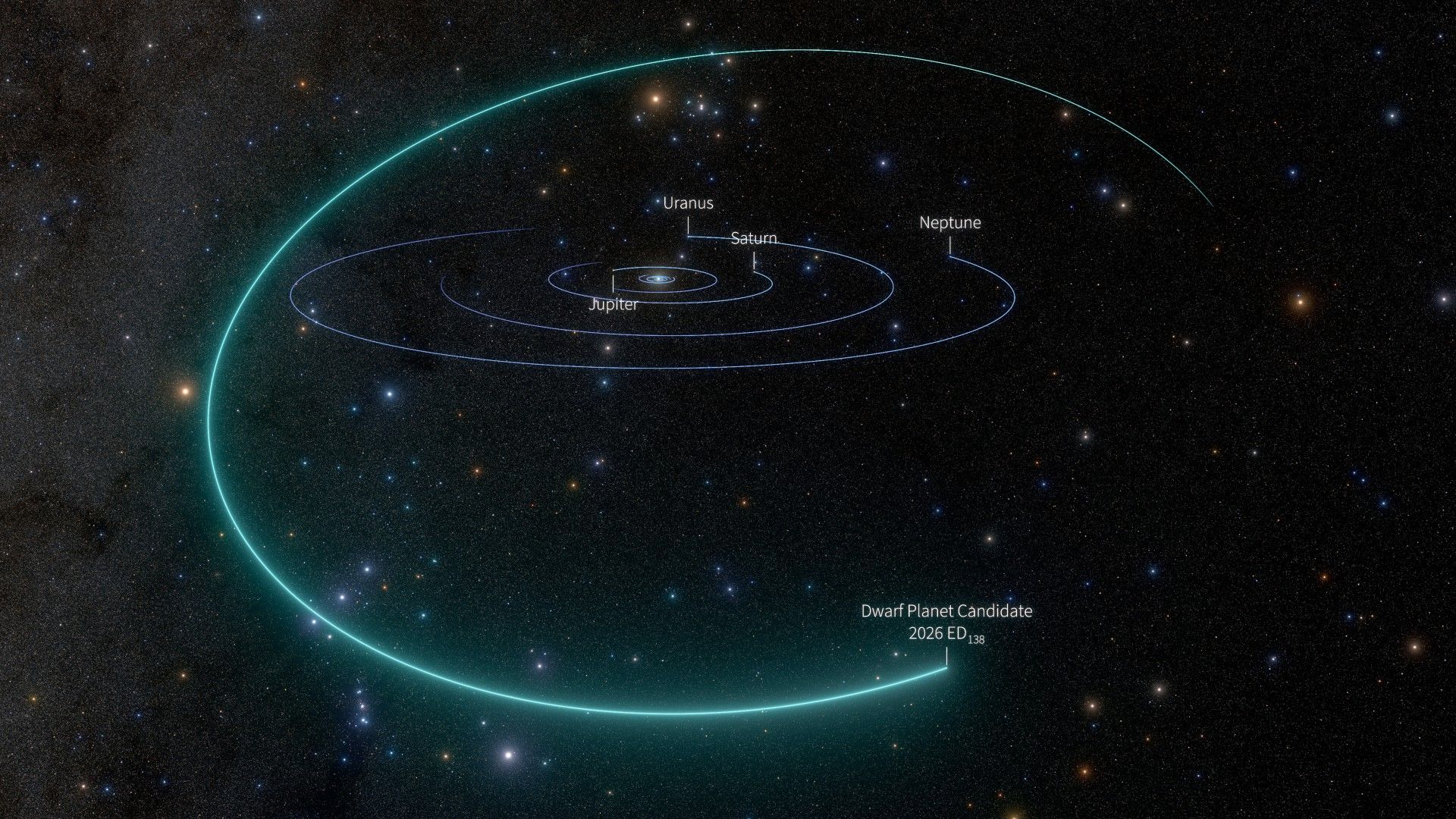
Astronomers using the Vera C. Rubin Observatory identify a distant icy object beyond Pluto that may qualify as a new dwarf planet. The candidate, provisionally named 2026 ED138, still needs further observation to establish basic traits such as its size, mass, and whether gravity has pulled it into a rounded shape.
A new analysis of smoke from California’s Eaton Fire finds the plume may have exposed very large numbers of people in the Los Angeles region to elevated lead levels. Researchers examined atmospheric particles linked to the January 2025 fire, which devastated Altadena and nearby San Gabriel Valley communities.
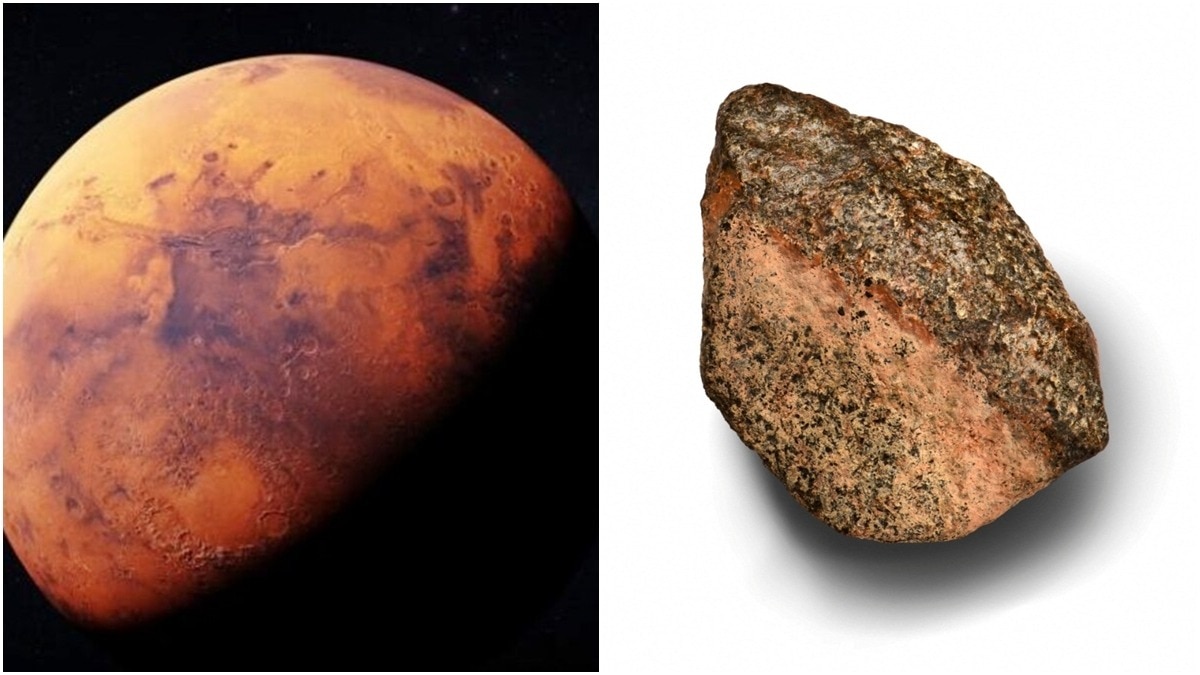
New research argues that comets probably did not deliver enough usable organic material to early Earth to help start life. The finding challenges a long-standing idea in planetary science that comet impacts seeded the young planet with key molecular building blocks needed for abiogenesis.
Researchers report that ants underwent major diversification after the asteroid impact that ended the age of dinosaurs 66 million years ago. The study suggests bursts of activity from mobile DNA sequences known as “jumping genes” may have helped ant lineages evolve rapidly as ecosystems recovered from mass extinction.
A study in Neurology links living near industrial sources of water pollution to a higher risk of progressive supranuclear palsy, a rare neurodegenerative movement disorder. The work points to a possible environmental contribution to the disease and adds to concern about long-term health effects from contaminated local water supplies.
An Italian farmer discovers an ancient wheat variety stored in his attic and traces it to a heritage crop described in older texts. The grain’s unusual traits, including reports of multiple ears on a single stalk, are drawing attention for their potential value in agriculture as drought and climate stress intensify.
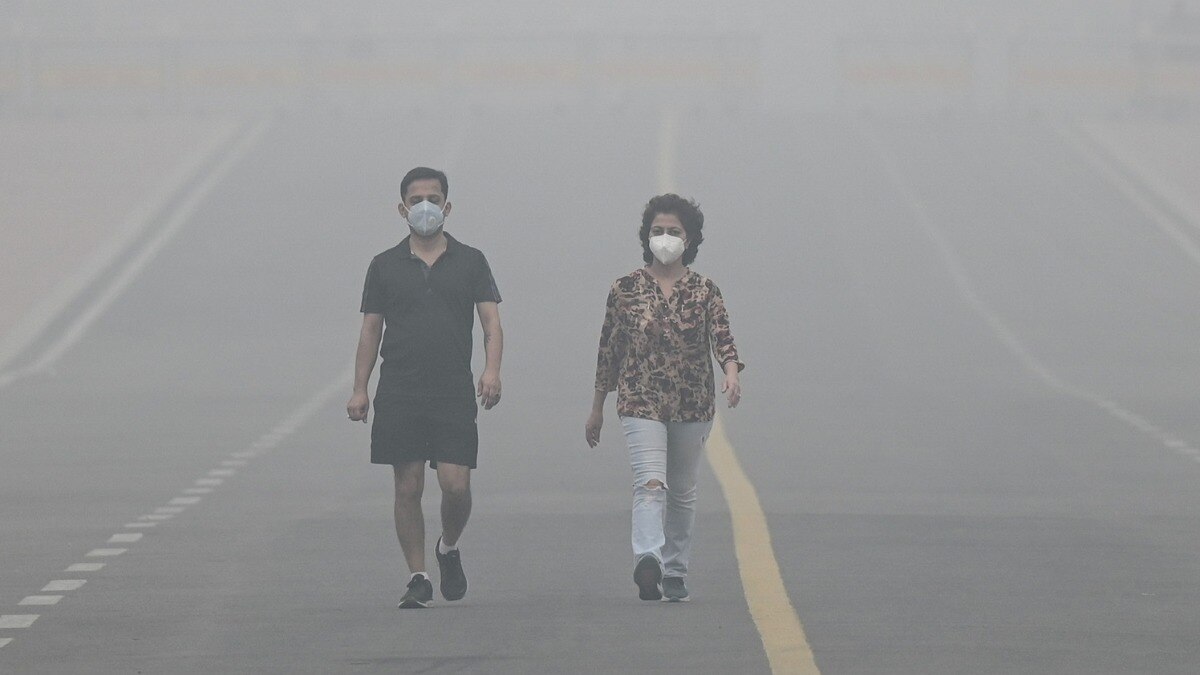
Delhi’s air quality deteriorates again, with the city returning to the “poor” category after a short-lived improvement. Multiple monitoring stations show worsening readings, and at least one site records an air quality index above 300, underscoring how quickly pollution levels can rebound across the capital.




Top Science stories
- Vera Rubin Observatory spots possible new dwarf planet beyond Pluto (8 sources)
- Study finds comets likely failed to deliver life’s building blocks to early Earth (4 sources)
- Delhi air quality slips to poor as AQI rises across multiple monitoring stations (3 sources)
- Study links “jumping genes” and the dinosaur-killing asteroid to ant diversification (3 sources)
- NASA team outlines Habitable Worlds Observatory mission architecture (2 sources)
- Snake-inspired soft robot designed to help diagnose small intestine disorders (2 sources)
- Study finds autistic women report more severe menopause symptoms than non-autistic women (2 sources)
- Outlets debate whether AI-written emergency alerts can be trusted (2 sources)
Wendy Webster
Author at IfHighLow