Science news today links long-term planetary change with the practical work of adapting to harsh environments, from Earth’s warming atmosphere to Mars-like habitats and dust risks for future astronauts. At the same time, researchers push outward, using rare cosmic visitors and ne...
Science news today links long-term planetary change with the practical work of adapting to harsh environments, from Earth’s warming atmosphere to Mars-like habitats and dust risks for future astronauts. At the same time, researchers push outward, using rare cosmic visitors and new biological tools to probe how worlds and life behave under extreme conditions.
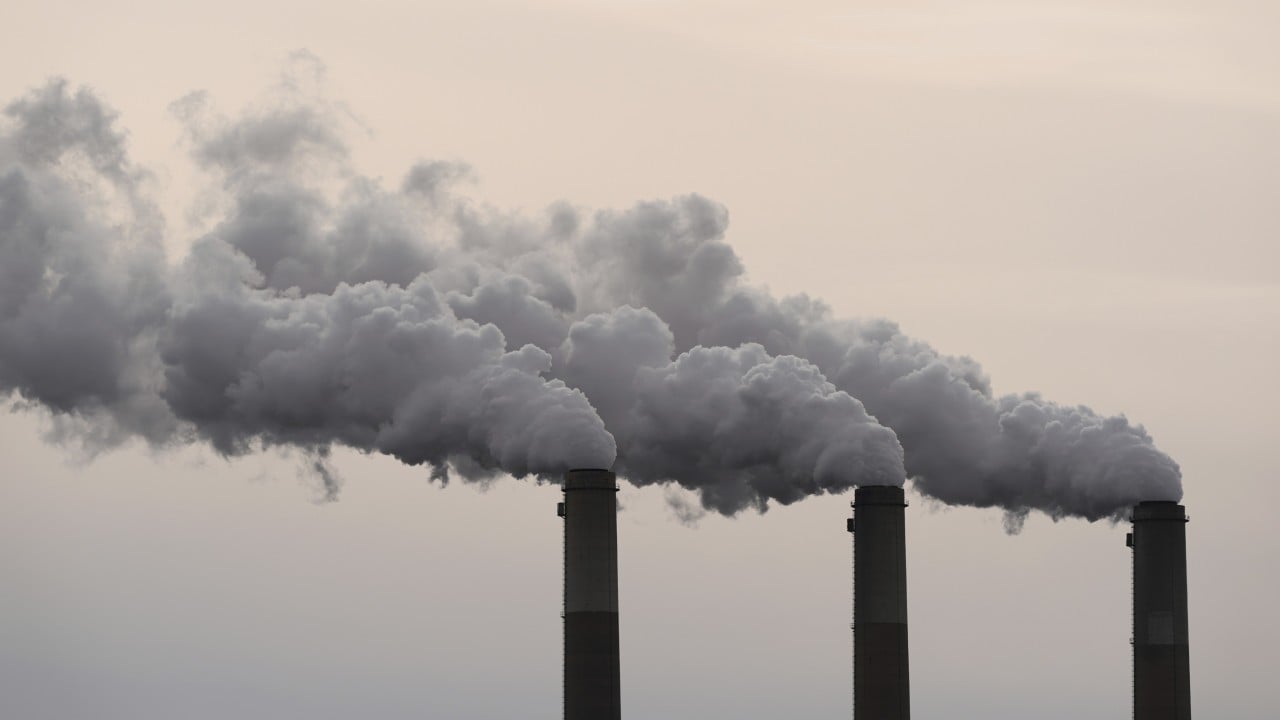
Greenhouse gas concentrations in the atmosphere reach new record highs in 2025, the UN reports using World Meteorological Organization data. The finding underscores that heat-trapping gases continue to accumulate despite years of climate pledges, committing the planet to additional warming and impacts that can persist for centuries.
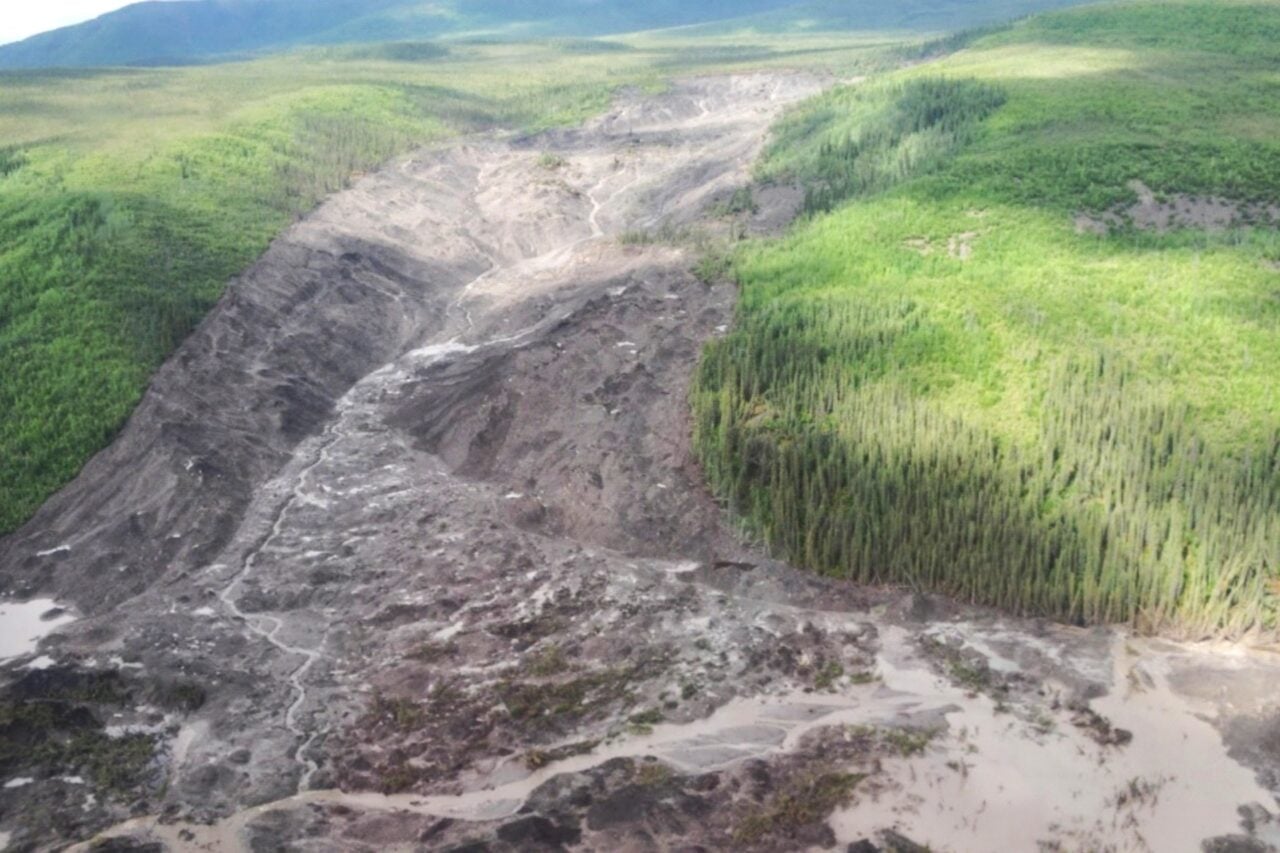
Colorado’s glaciers thin sharply after a year of low snow and intense heat, with scientists warning that some could vanish if losses continue. New measurements show exceptionally rapid shrinkage in 2026, including one glacier losing more than 12 feet of thickness in a single year.
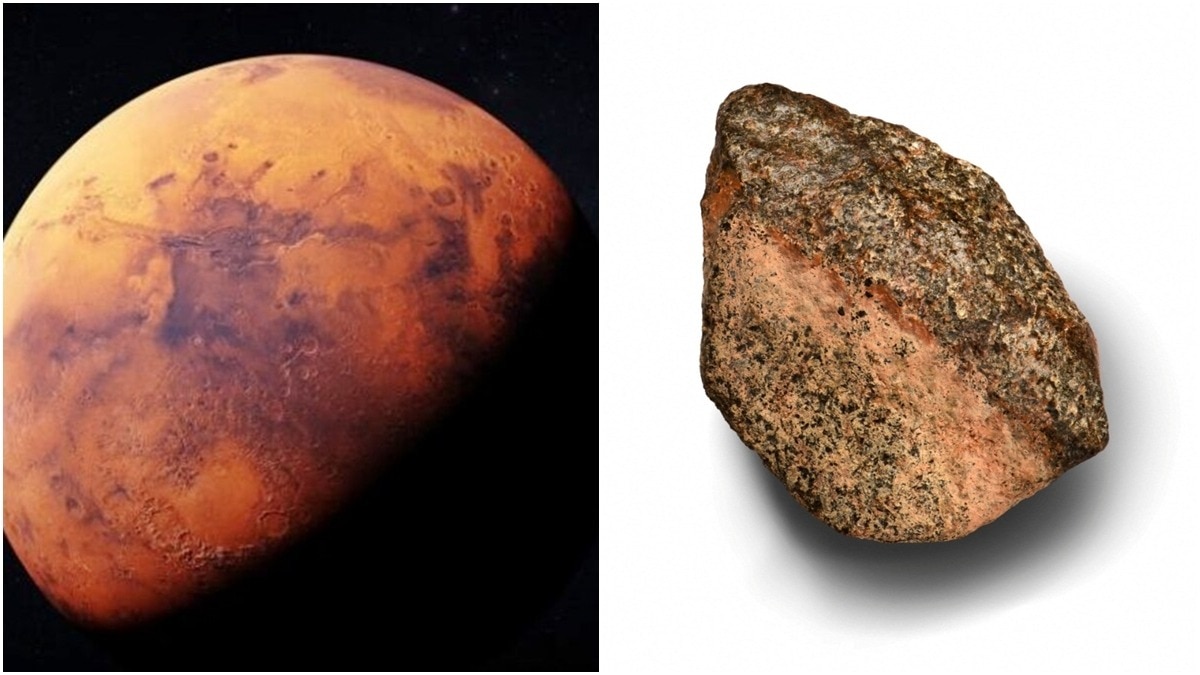
NASA’s Perseverance rover finds that ultrafine Martian dust can cling to spacesuit materials and includes particles small enough to reach human lungs and even enter the bloodstream. The results, based on more than 1,645 Martian days of measurements, help define health risks and equipment needs for future astronauts.
A four-person NASA simulation crew is set to leave its Mars-like habitat after 378 days at Johnson Space Center in Houston. The yearlong mission is designed to mimic key constraints of a crewed Mars journey, while researchers track the volunteers’ health, behavior and performance over extended isolation.
The James Webb Space Telescope is examining the interstellar comet 3I/ATLAS, only the third such object ever identified, by analyzing dusty ice streaming from it. Researchers find material signatures similar to icy bodies in the outer solar system, offering a rare look at matter formed around another star.
Scientists are using mechanobiology to test how physical forces inside and around cells affect the way viruses infect people. The work asks whether differences in pressure, stiffness and cellular motion help determine how viruses enter cells and why infections can vary from one person to another.
At the biodiversity summit COP17, experts from African governments and civil society are highlighting community-based conservation as a route toward the global 30×30 target. The discussions center on how locally led stewardship could help protect land and marine areas while involving the people who live there.




Top Science stories
- UN and WMO report greenhouse gas concentrations hit record highs in 2025 (8 sources)
- James Webb studies interstellar comet 3I/ATLAS, finding dusty ice similar to outer solar-system worlds (2 sources)
- Experts discuss community-based conservation models at CBD COP17 for Africa’s 30×30 goals (2 sources)
- Colorado glaciers thin sharply as record-low snow and heat drive rapid ice loss (2 sources)
- Perseverance measures ultrafine Mars dust on spacesuit materials for future crew protection (2 sources)
- Mechanobiology research explores how physical forces shape virus infection (2 sources)
- NASA simulation crew to exit habitat after 378 days of Mars-like mission (2 sources)
Clara Chronicle
Author at IfHighLow