Today’s science news ranges from deep time to long-term human health, with new tools and natural experiments reshaping how researchers study complex systems. The biggest advances come from simulation and large-scale inference, whether scientists are reconstructing the young unive...
Today’s science news ranges from deep time to long-term human health, with new tools and natural experiments reshaping how researchers study complex systems. The biggest advances come from simulation and large-scale inference, whether scientists are reconstructing the young universe, tracing life’s move into the sea, or linking education and disease decades later.
A new simulation maps the universe’s first two billion years in unusual detail, giving researchers a clearer view of how early cosmic structures emerge and evolve. The model is designed to make formative phases of cosmic history easier to visualize and test, helping scientists probe how matter, galaxies and large-scale structure take shape soon after the universe begins.
The Lumina Project also focuses on the universe’s first two billion years, using a large, high-detail simulation to examine how the early cosmos develops. By recreating conditions across a vast span of early history, the project aims to give scientists a stronger framework for testing competing ideas about galaxy formation and the growth of cosmic structure.
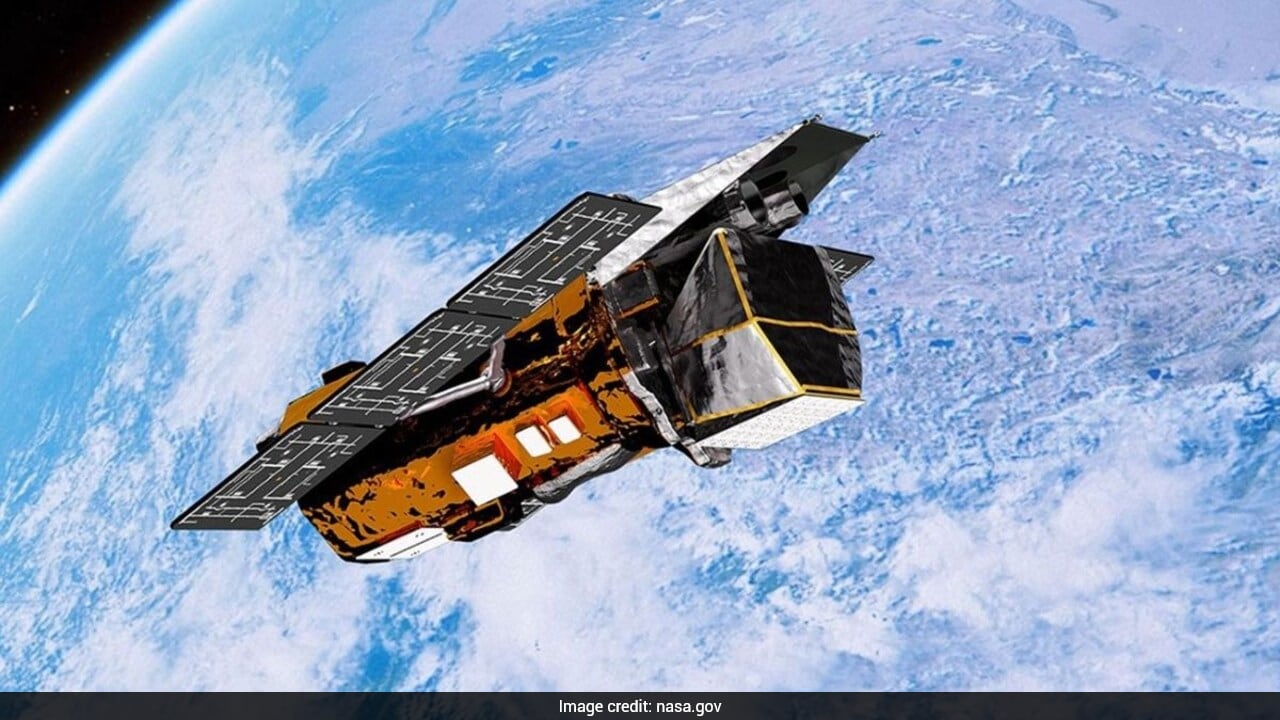
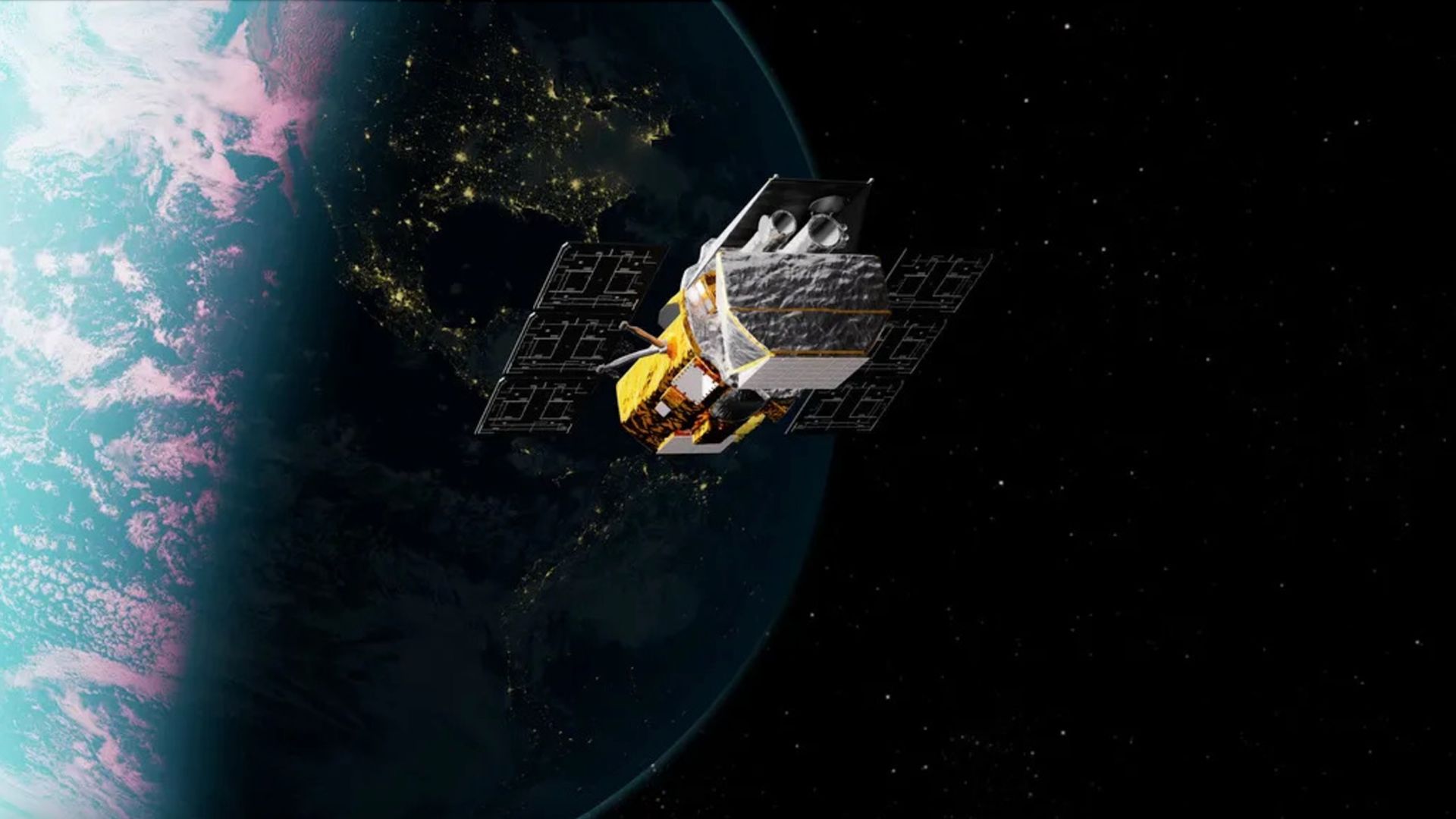
NASA formally ends the Swift space telescope mission after recovery efforts fail. The observatory, long used to study gamma-ray bursts and other high-energy events, cannot be brought back into service, and an attempted orbital rendezvous by a private satellite does not succeed. The decision closes out a mission that has operated well beyond its original lifespan.
A British study links an extra year of schooling to lower dementia diagnoses decades later. Using a 1972 reform that raised the school leaving age as a natural experiment, researchers find a long-run association between extended education and reduced dementia risk, adding to evidence that early-life social conditions can shape brain health in old age.
Fossils from 237 million years ago point to what researchers identify as the earliest known fully marine amphibian. The animal, named Gerrothorax maritimus, appears to have been an armored, seafloor-dwelling species about the size of a giant salamander, suggesting some amphibians made a complete transition from land-linked life to life in the sea far earlier than once understood.
Researchers report that dietary fructose slows liver tumor growth in mice when a key sugar-processing gene is absent. The study examines hepatocellular carcinoma and finds that fructose and glucose can affect tumor metabolism differently, suggesting that the genetic and metabolic context of a cancer may shape how particular nutrients influence its growth.
A report from IIT Madras argues that AI’s effect on employment should be assessed task by task rather than job by job. The analysis says broad occupational labels can miss how work is actually organized, and that automation or augmentation depends on which specific tasks make up a role and how those tasks fit together.




Top Science stories
- Simulation models universe’s first two billion years, offering new views of early cosmic history (2 sources)
- Fossils suggest earliest fully marine, armored amphibian lived at sea 237 million years ago (2 sources)
- British school reform decades ago linked to lower later-life dementia diagnoses (2 sources)
- IIT Madras report urges task-by-task assessment of AI’s jobs impact (2 sources)
- Lumina Project simulation models the universe’s first 2 billion years in high detail (2 sources)
- Study finds dietary fructose can suppress liver tumors in mice lacking key sugar-processing genes (2 sources)
- NASA Ends Swift Space Telescope Mission After Failed Recovery Attempt (2 sources)
Archie Vance
Author at IfHighLow