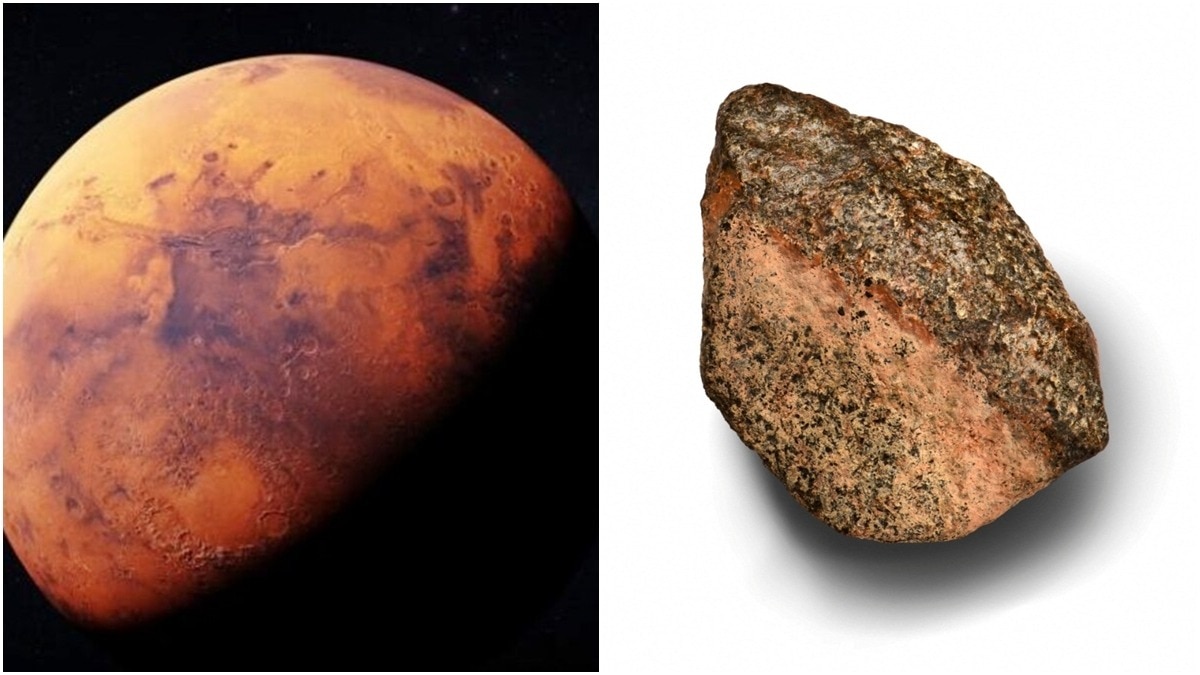
Space exploration and fundamental physics drive the day’s science news, with NASA refining the practical steps and hazards involved in returning humans to the Moon while a leading theorist earns one of his field’s highest honors. Together, the stories show science pushing outward...
Space exploration and fundamental physics drive the day’s science news, with NASA refining the practical steps and hazards involved in returning humans to the Moon while a leading theorist earns one of his field’s highest honors. Together, the stories show science pushing outward on two fronts: deeper into the cosmos in theory and closer to it in human spaceflight.
NASA sets out a 2027 test flight for Artemis III that would send Orion and its astronaut crew to low Earth orbit as part of preparations for a future lunar landing. The mission is meant to rehearse complex moon-lander operations before astronauts return to the Moon’s surface, though the agency has not fixed a specific launch date.
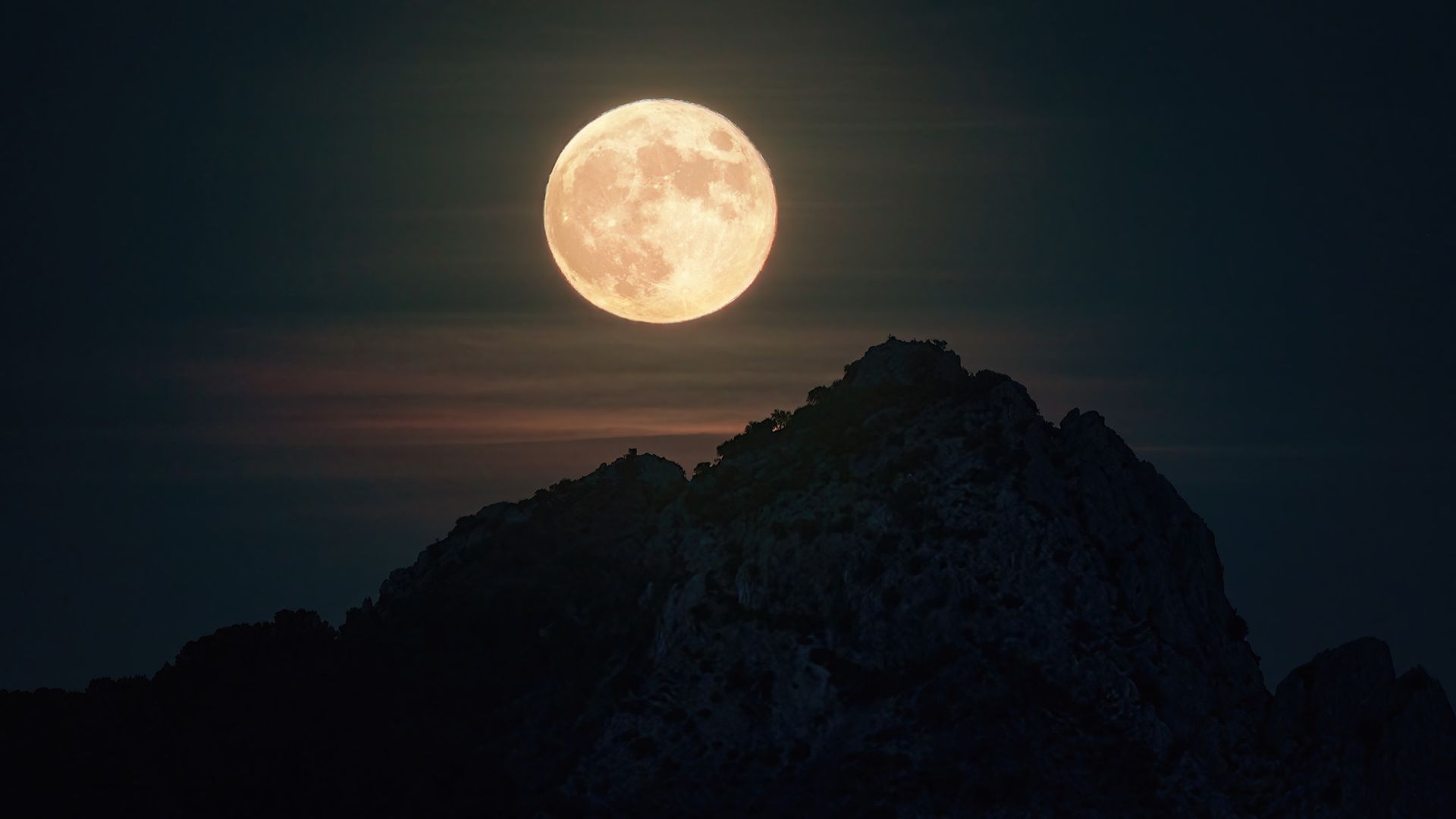
NASA is also factoring lunar meteor-strike danger into planning for a future Moon base. Agency leadership says the threat is getting close attention as long-term surface operations take shape, underscoring how the Moon’s exposed environment could shape habitat design, crew safety measures, and the overall pace of building a sustained human presence there.
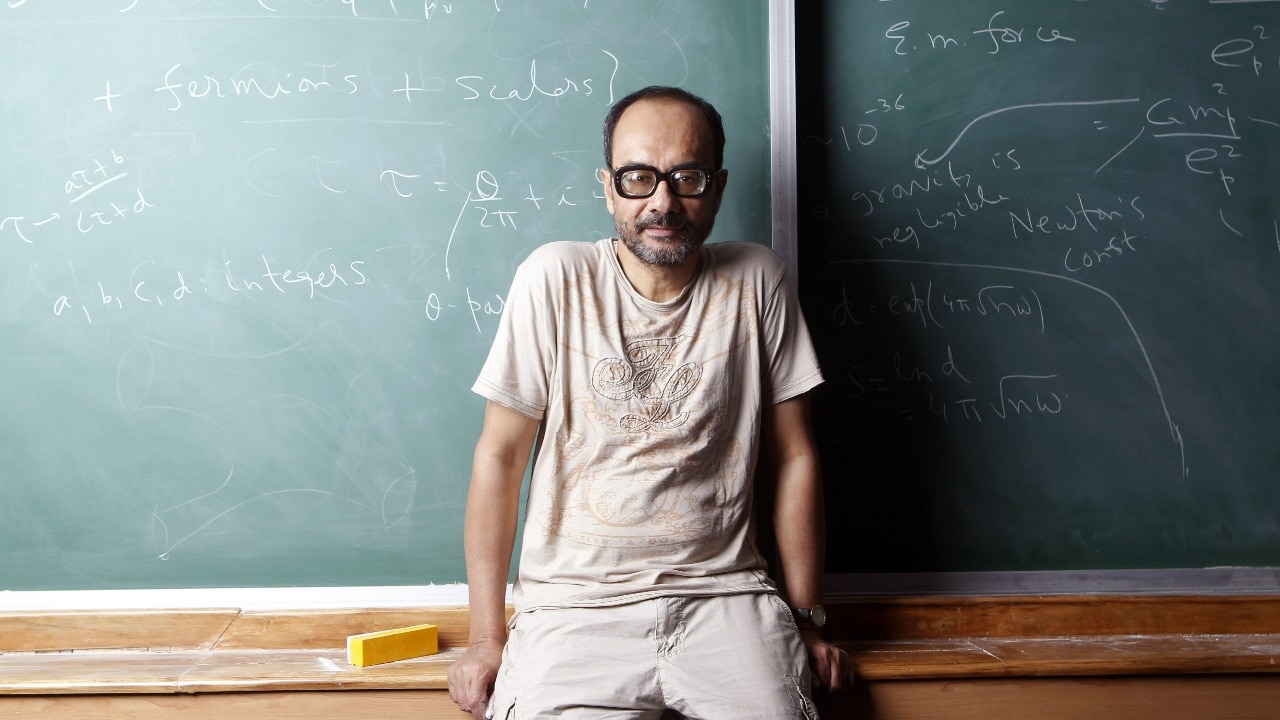
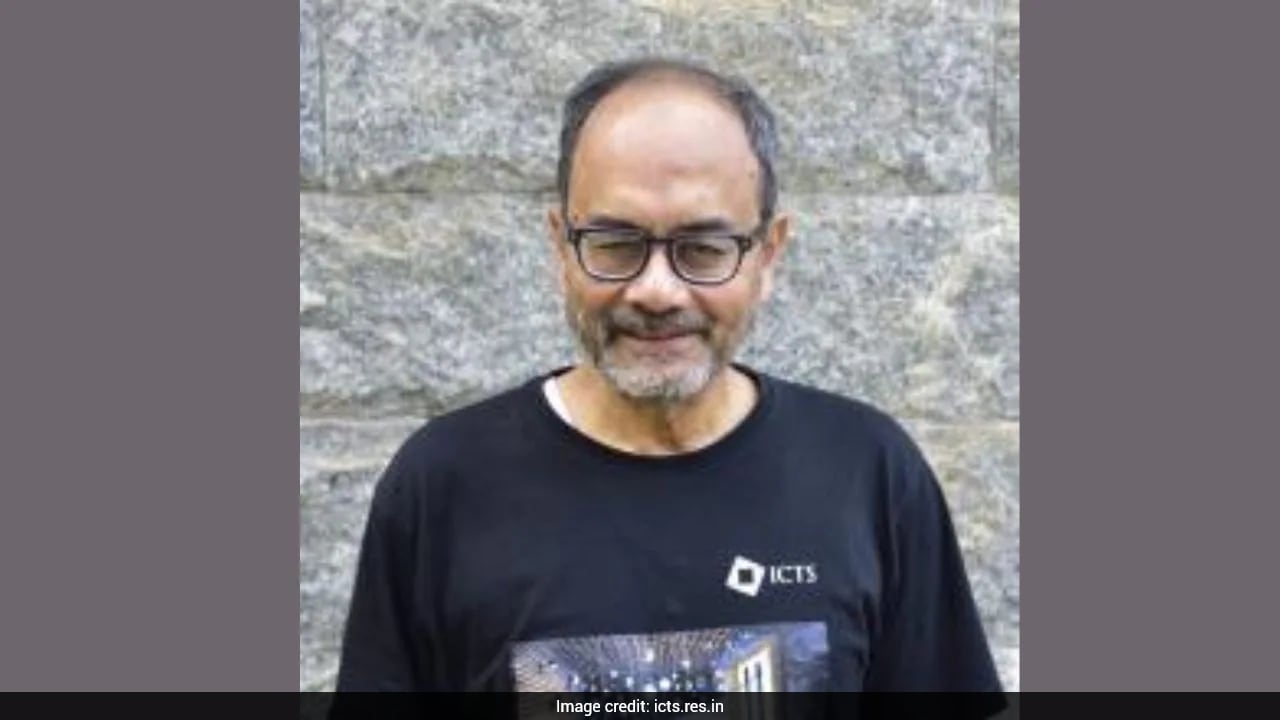
Ashoke Sen becomes the first Indian physicist to receive the 2026 Oskar Klein Medal, an award recognizing major contributions to theoretical physics. Sen is honored for pioneering work in string theory and related advances in gravity and black-hole physics, and he delivers the Oskar Klein Memorial Lecture in Stockholm as part of the award event.


Top Science stories
Paige Webley
Author at IfHighLow