Science news is defined by long-horizon ambition and institutional caution. As major powers push nuclear technology toward the Moon, a separate debate in Canada focuses on how to build intelligence capacity without underestimating the risks and realities of espionage. The United...
Science news is defined by long-horizon ambition and institutional caution. As major powers push nuclear technology toward the Moon, a separate debate in Canada focuses on how to build intelligence capacity without underestimating the risks and realities of espionage.
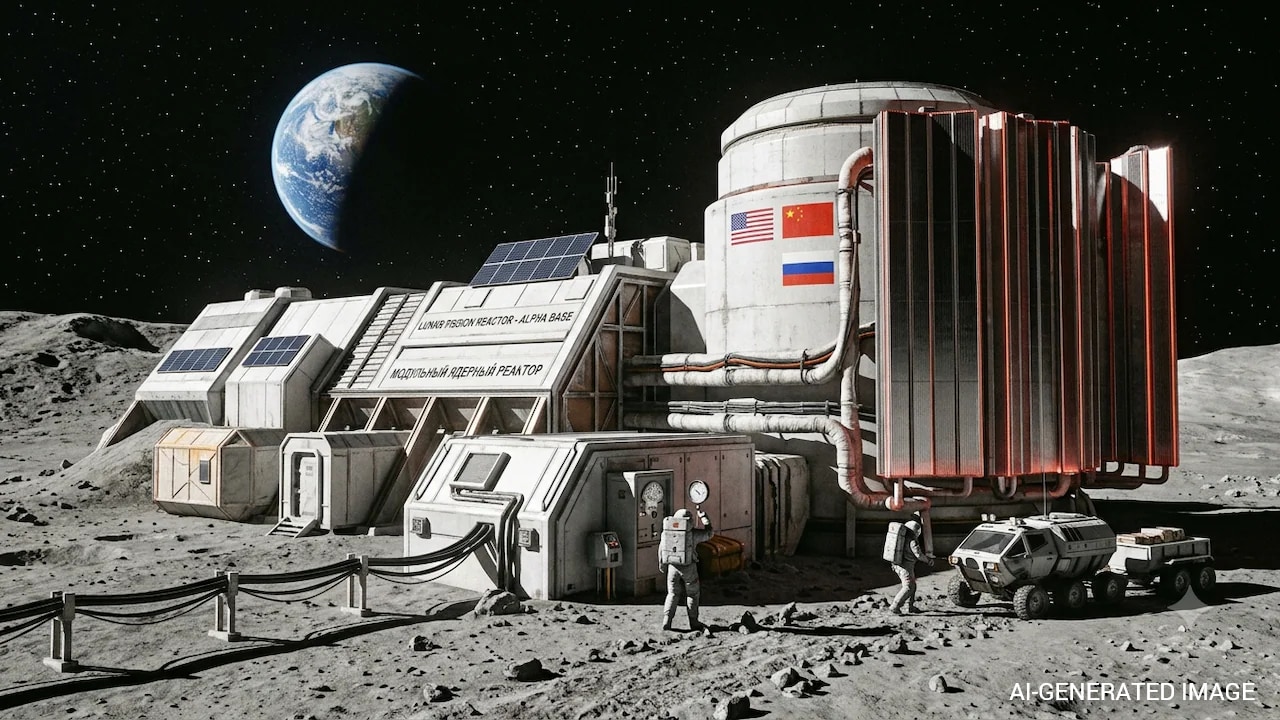
The United States, China and Russia are all advancing plans to develop nuclear reactors for lunar missions, underscoring how space exploration is increasingly tied to strategic competition. The US is targeting a Moon reactor launch by 2030, while Russia and China are working toward a joint reactor project with a reported 2036 timeline.
A new study urges Canada to consider any move toward a foreign spy service with caution, arguing that espionage is a high-stakes function that is often poorly understood in public debate. The report says politicians should weigh the operational, legal and political consequences carefully before creating a new agency.





Top Science stories
- Daly Cherry-Evans kicks field goal to extend Roosters lead (3 sources)
- Hilary McPhee’s publishing imprint helps shape major Australian literary careers (3 sources)
- Sebastian Aho scores twice as Hurricanes beat Flyers 3-2 in overtime (3 sources)
- Heavy rain breaks October records across Victoria, including Gippsland and Great Ocean Road (3 sources)
- St Kilda sets steep asking price for Rowan Marshall as rival clubs weigh interest (3 sources)
- Study urges Canada to approach potential new foreign spy service with ‘eyes wide open’ (3 sources)
- US, China and Russia race to develop nuclear reactors for lunar missions (3 sources)
- Satellite images show widespread destruction across Gaza amid ongoing Israel-Hamas war (2 sources)
Paige Turner
Author at IfHighLow