Science news today is dominated by the open acknowledgment that space is becoming a more overt military domain, with the United States publicly confirming orbital weapons as surveillance networks also expand. Away from orbit, researchers and communities on Earth face very differe...
Science news today is dominated by the open acknowledgment that space is becoming a more overt military domain, with the United States publicly confirming orbital weapons as surveillance networks also expand. Away from orbit, researchers and communities on Earth face very different pressures, from restoring lost marine habitats to coping with climate stress and resource exploration.
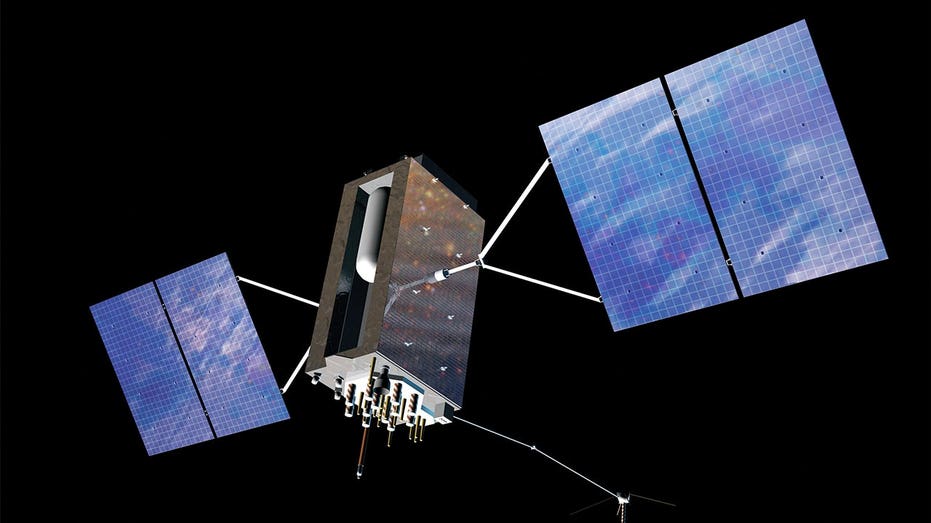
The United States for the first time publicly acknowledges that it has deployed weapons in orbit. Air Force Secretary Troy E. Meink says the Pentagon has put “on-orbit space control weapons” into space to help defend U.S. forces and protect the Joint Force against hostile action, though he gives no details on the systems’ type, function, or deployment timeline.
The U.S. confirmation of space weapons deployment sharpens concern about a widening military competition beyond Earth. The acknowledgment comes as China and Russia warn against further militarization of space, highlighting how orbital capabilities are increasingly tied to strategic rivalry and the effort by major powers to secure advantages in a contested domain.
Launches of space-based intelligence, surveillance, and reconnaissance satellites are set to rise sharply over the next decade. Novaspace projects more than fourfold growth in ISR satellite launches, driven by rising demand from militaries and defense organizations for more persistent, space-derived data to support operations, monitoring, and national security planning.
Researchers in Scotland are using Gaelic and Scots place-names to help locate long-forgotten oyster beds. A University of Glasgow team is tracing coastal names with linguistic links to oysters, showing how local language and historical geography can guide restoration efforts for marine habitats that have largely disappeared from living memory.
Rainmakers in parts of Africa are increasingly facing violence as drought and erratic rainfall intensify pressure on farming communities. These spiritual figures, traditionally linked to rituals around seasonal weather, are being blamed by some farmers for failed rains, illustrating how climate-driven stress can deepen fear, scapegoating, and social conflict.
Broken Hill Gold is expanding exploration at its White Dam project in South Australia as it targets deeper gold-copper sulphide mineralisation. The company is adding major geophysical work and bringing in a second drill rig, broadening the campaign beyond its earlier focus on the Icebreaker prospect in a push to define more extensive resources.




Top Science stories
- US acknowledges for first time it has deployed weapons in space (8 sources)
- U.S. confirms for first time it has on-orbit space control weapons (8 sources)
- US confirms it has deployed space weapons in Earth’s orbit (7 sources)
- U.S. confirms space weapons deployment as China and Russia warn against militarization (4 sources)
- Broken Hill Gold expands White Dam hunt for deeper SA gold-copper sulphides (4 sources)
- African rainmakers increasingly face violence amid drought and climate-driven rainfall stress (4 sources)
- Gaelic and Scots place-names help researchers rediscover forgotten oyster beds (4 sources)
- Carter’s launches first major brand refresh since 2000 to target Gen Z parents (3 sources)
Scott Scoop
Author at IfHighLow