Science today spans survival, launchpads and long-term risk. In Venezuela, rescuers pulled a 43-year-old man alive from earthquake rubble after eight days beneath a collapsed shopping-centre structure, a rare outcome that underscores both the power of modern search efforts and th...
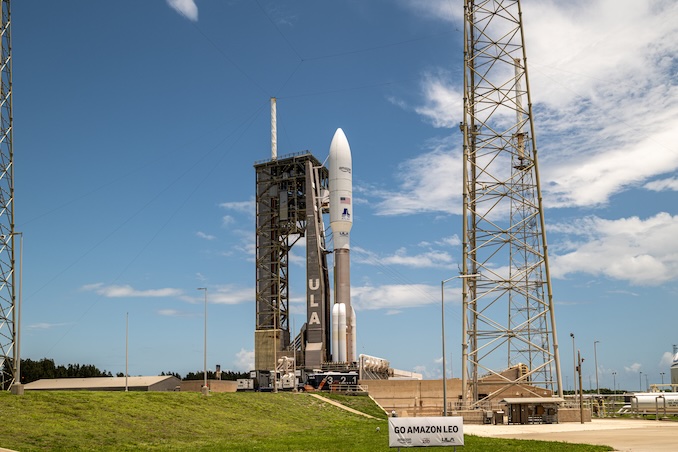
Science today spans survival, launchpads and long-term risk. In Venezuela, rescuers pulled a 43-year-old man alive from earthquake rubble after eight days beneath a collapsed shopping-centre structure, a rare outcome that underscores both the power of modern search efforts and the stubborn resilience of the human body. In space, momentum is building on two fronts: India’s Skyroot Aerospace is preparing the first orbital flight of its privately built Vikram-1 rocket in a July-to-August window, a milestone for the country’s commercial space sector, while Amazon says its low-Earth-orbit broadband constellation is nearing 400 satellites, enough to begin initial service later this year and challenge Starlink, if only at a much smaller scale. Back on Earth, a major health study links sitting uninterrupted for more than 30 minutes at a time with higher cancer mortality, reinforcing a simple message: move more, more often.



Top Science stories
- Man rescued after eight days trapped under rubble in Venezuela earthquake (13 sources)
- Amazon says it has nearly 400 satellites to begin initial Leo broadband service (8 sources)
- Skyroot’s Vikram-1 to launch in window July 12–August 4, mission Agaman (6 sources)
- Sitting more than 30 minutes at a time linked to higher cancer death risk (5 sources)
- Rescue teams continue searching in Venezuela after earthquakes as US rejects criticism (4 sources)
- True North Copper reports high-grade copper-gold intercept at Wallace North in Queensland (4 sources)
- John Dickinson’s missing 1776 Declaration signature remains a focus for historians (4 sources)
- Adar Poonawalla Family Office invests ₹700 crore in Inox Clean Energy (4 sources)
Pippa Post
Author at IfHighLow