Science news today captures a planet under pressure, and the efforts to understand and adapt to it. Europe’s punishing heatwave is rewriting records, with France’s national temperature indicator hitting an all-time high and demand for fans and air-conditioning surging across a co...
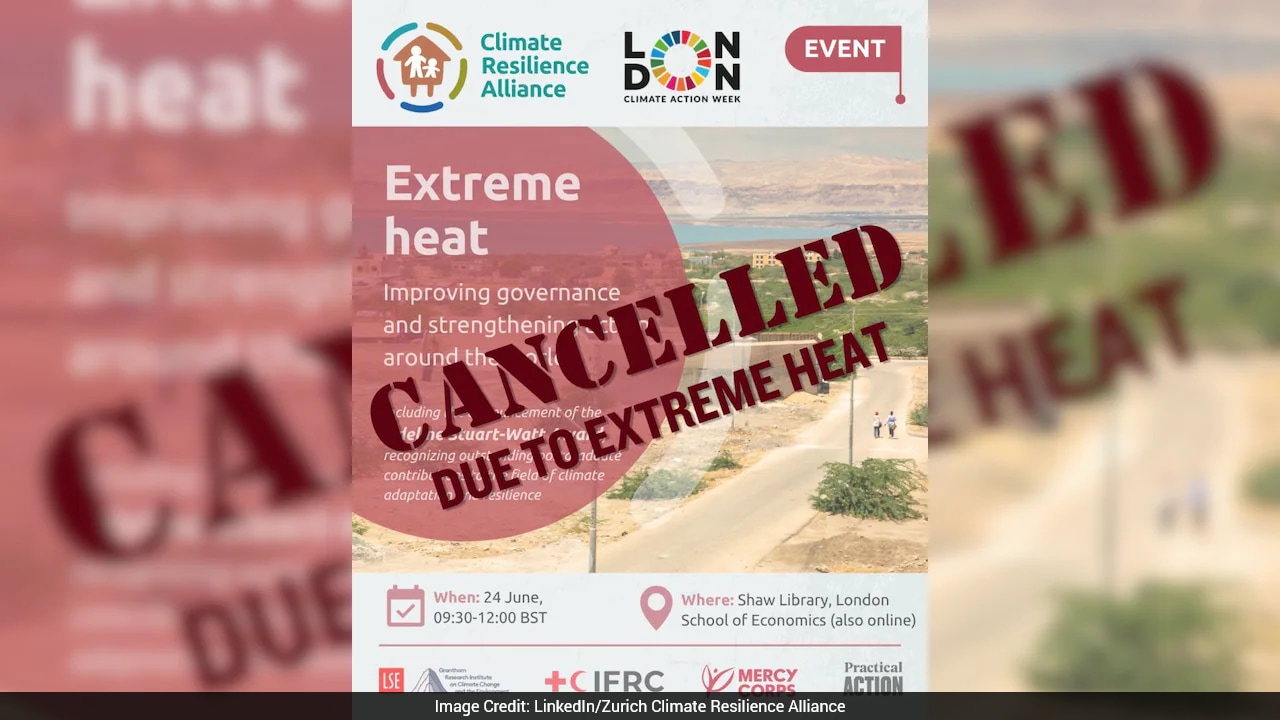
Science news today captures a planet under pressure, and the efforts to understand and adapt to it. Europe’s punishing heatwave is rewriting records, with France’s national temperature indicator hitting an all-time high and demand for fans and air-conditioning surging across a continent still poorly equipped for prolonged extreme heat. In a telling symbol of that strain, a London conference on adapting to extreme heat was itself cancelled because the venue could not keep people cool. Elsewhere, researchers in Australia say they have dated Earth’s oldest known asteroid impact crater to about 3 billion years ago, sharpening the timeline of the violent bombardment that shaped the young planet. And in New Zealand, a proposal to turn dairy land near Twizel into a 500-megawatt solar farm points to the scale of infrastructure now being considered as societies race to meet rising energy and climate demands.




Top Science stories
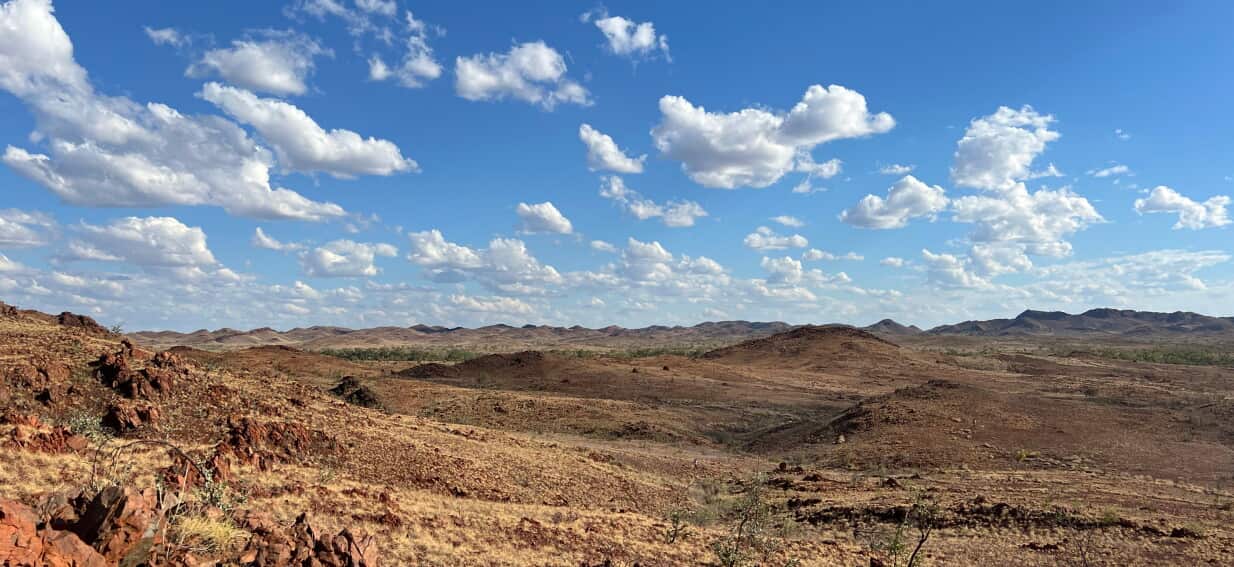
- Study dates Earth’s oldest known asteroid impact crater to about 3 billion years ago (6 sources)
- Europe faces record heatwave as fan and air-con sales rise (6 sources)
- Extreme heat in London cancels climate change event on adapting to heat (4 sources)
- Samsung unveils UFS 5.0 storage promising higher speeds for AI-focused mobile devices (3 sources)
- Former Colorado Bureau of Investigation analyst pleads guilty in DNA testing scandal (3 sources)
- Researchers flag junk-food hot spots in Sydney’s planned accelerated suburbs (3 sources)
- Nova Scotia auditor finds Office of Addictions and Mental Health oversight shortcomings (3 sources)
- Report projects Western Australia fossil-fuel exports could fall sharply under net-zero (3 sources)
Tara Tagwell
Author at IfHighLow