Science news is dominated today by the official arrival of El Niño, with NOAA warning the Pacific climate pattern could strengthen into one of the most powerful seen in decades. That matters because El Niño does not act in isolation: layered on top of human-driven global warming,...
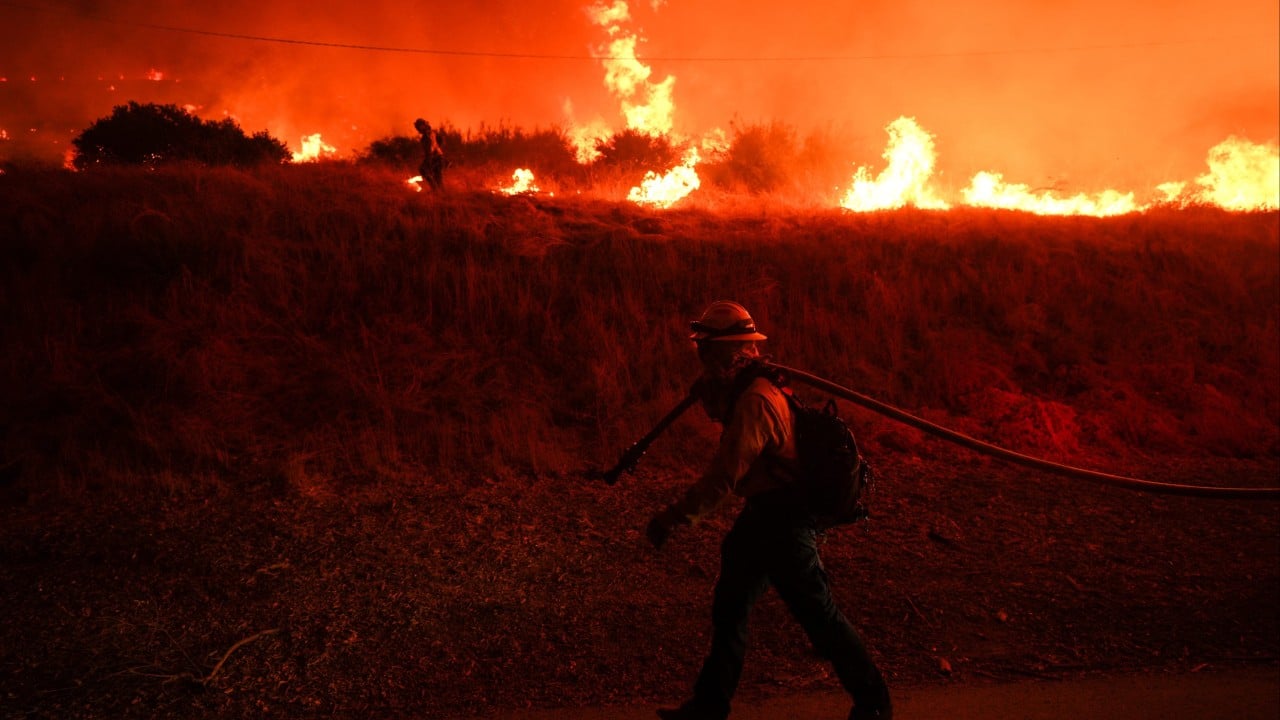
Science news is dominated today by the official arrival of El Niño, with NOAA warning the Pacific climate pattern could strengthen into one of the most powerful seen in decades. That matters because El Niño does not act in isolation: layered on top of human-driven global warming, it raises the odds of punishing heat, drought, wildfire conditions, and, in other regions, heavier rain and flooding. Forecasters say its influence could shape weather worldwide over the next year, and may help push global temperatures toward new records. Elsewhere, in a more local scientific and industry update, Augustus Minerals has finished a 1,650-metre drilling campaign at its Music Well gold project in Western Australia, with assay results now awaited. Together, the day’s developments capture both ends of the science brief: a planetary-scale climate shift already underway, and the steady, ground-level work of resource exploration.




Top Science stories
- El Niño has formed; scientists warn of intensified heat and extreme weather (6 sources)
- NOAA declares El Niño has begun, with chances it could be among the strongest (5 sources)
- Man charged with murder after alleged kidnapping in Sydney’s Winston Hills (5 sources)
- Augustus Minerals completes 1650m RC drilling at Music Well gold project in WA (4 sources)
- Zoos Victoria proposes cuts of up to 70 jobs (3 sources)
- UN Secretary-General warns of escalation risks as US and Iran exchange strikes (3 sources)
- Scientists explain how Venus flytraps snap shut rapidly using cell softening (3 sources)
- El Niño officially begins, increasing risk of drought, extreme heat and bushfires (3 sources)
Nina Websworth
Author at IfHighLow