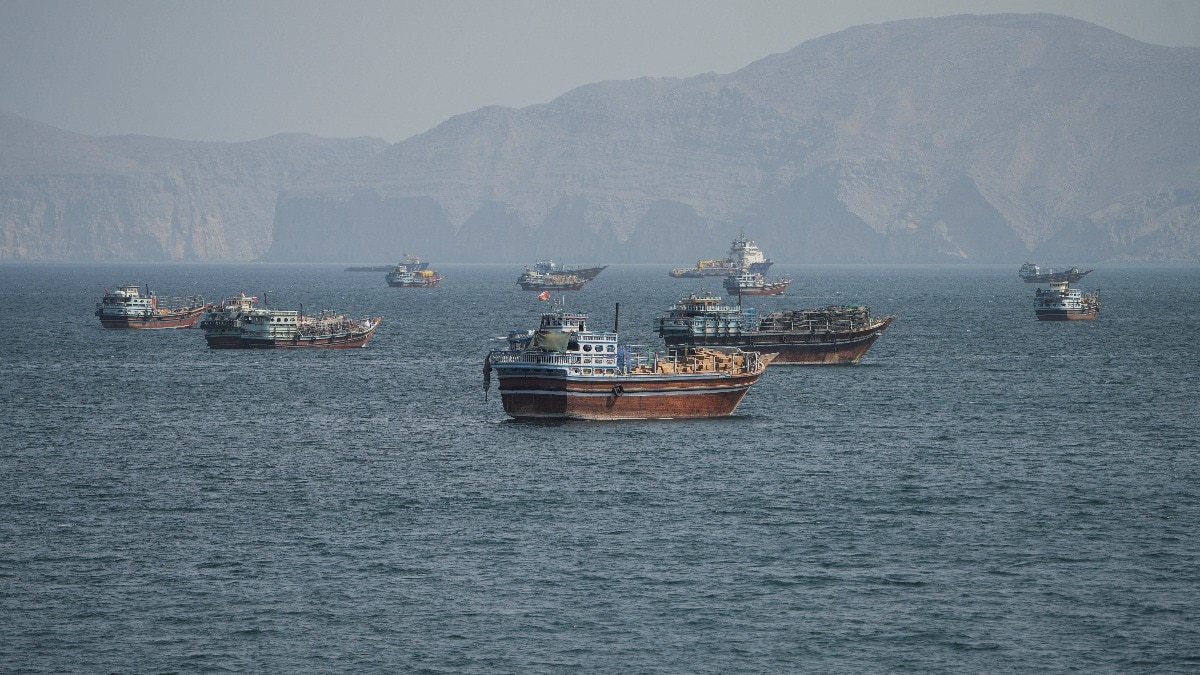
A tense international agenda dominates the day in politics, with Iran at the center of disputes stretching from Washington to the United Nations. The broader picture is one of diplomacy without resolution: major powers trade warnings and criticism, while legal and institutional b...
A tense international agenda dominates the day in politics, with Iran at the center of disputes stretching from Washington to the United Nations. The broader picture is one of diplomacy without resolution: major powers trade warnings and criticism, while legal and institutional battles continue on separate fronts.
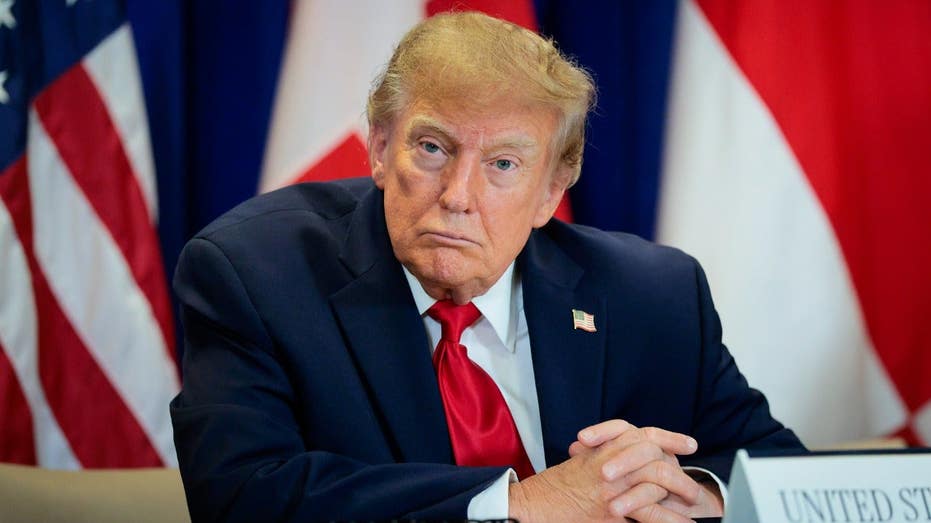
President Donald Trump rejects Iran’s proposal for a seven-day ceasefire and tells aides he expects US bombing to resume after the November midterm elections. The decision signals a hard line from Washington and reflects doubts inside the administration that Tehran would comply with US conditions.
Iran awaits a formal US response after reports that Trump turned down a broader proposal tied to reopening the Strait of Hormuz and halting fighting across the Middle East. The episode underscores how high the stakes remain around a vital shipping route even as direct diplomacy appears stalled.
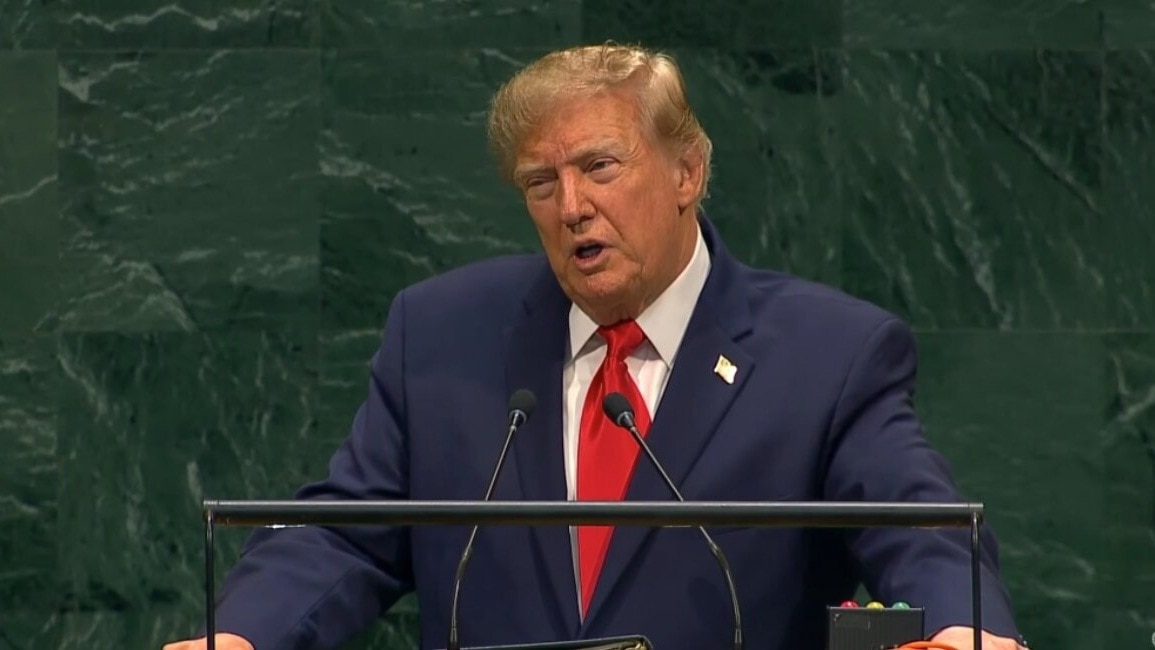
UN General Assembly week closes without major breakthroughs on Iran, Ukraine or other entrenched crises despite a heavy schedule of speeches, meetings and side talks in New York. The gathering shows continued diplomatic engagement, but no clear movement on the conflicts that dominated the agenda.
China uses the UN stage to challenge US positions, with Vice President Han Zheng calling for respect for the sovereignty and security of Gulf states and urging an end to pressure on Cuba. The speech places Beijing in open opposition to Washington on two sensitive foreign policy disputes.
Lawyers for former Philippine president Rodrigo Duterte ask the International Criminal Court to cap prosecution evidence at 10,000 items in his upcoming crimes against humanity trial. The request is an early procedural push by the defense as the court prepares for a closely watched case over Duterte’s anti-drug campaign.
Ireland’s national football team votes to go ahead with its UEFA Nations League fixtures against Israel despite growing calls for a boycott linked to Israel’s actions in Gaza. The decision clears the way for the scheduled match to proceed on Sunday after internal deliberation by the players.




Top Politics stories
- Trump rejects Iran’s seven-day ceasefire proposal, expects bombing to resume after midterms (14 sources)
- Ireland players vote to go ahead with Nations League matches against Israel (10 sources)
- China’s Han Zheng urges Gulf sovereignty and an end to Cuba blockade at UN (10 sources)
- Iran awaits US response after WSJ reports Trump rejected a Strait of Hormuz peace proposal (6 sources)
- Wakefield stun Wigan 33-6 to reach first Super League Grand Final (6 sources)
- Brisbane wins 2026 AFL grand final against Fremantle at the MCG to secure a three-peat (5 sources)
- UNGA week ends without breakthroughs as Iran and Ukraine talks and AI debates continue (5 sources)
- Christine Jardine to stand down as Liberal Democrat MP at next election (4 sources)
Scott Scoop
Author at IfHighLow