Health news today centers on trust, oversight and the growing reach of technology in care. Patient safety failures in the NHS, new rules for organ donation, rising Medicare costs and fresh evidence on AI in medicine and daily life all show health systems balancing innovation with...
Health news today centers on trust, oversight and the growing reach of technology in care. Patient safety failures in the NHS, new rules for organ donation, rising Medicare costs and fresh evidence on AI in medicine and daily life all show health systems balancing innovation with accountability.
More than 3,000 incidents of NHS staff improperly accessing patient records have been disclosed by trusts in England, exposing a persistent privacy problem inside the health service. The breaches raise concerns about harm to patients, emotional distress and wider damage to trust in how sensitive medical information is handled.
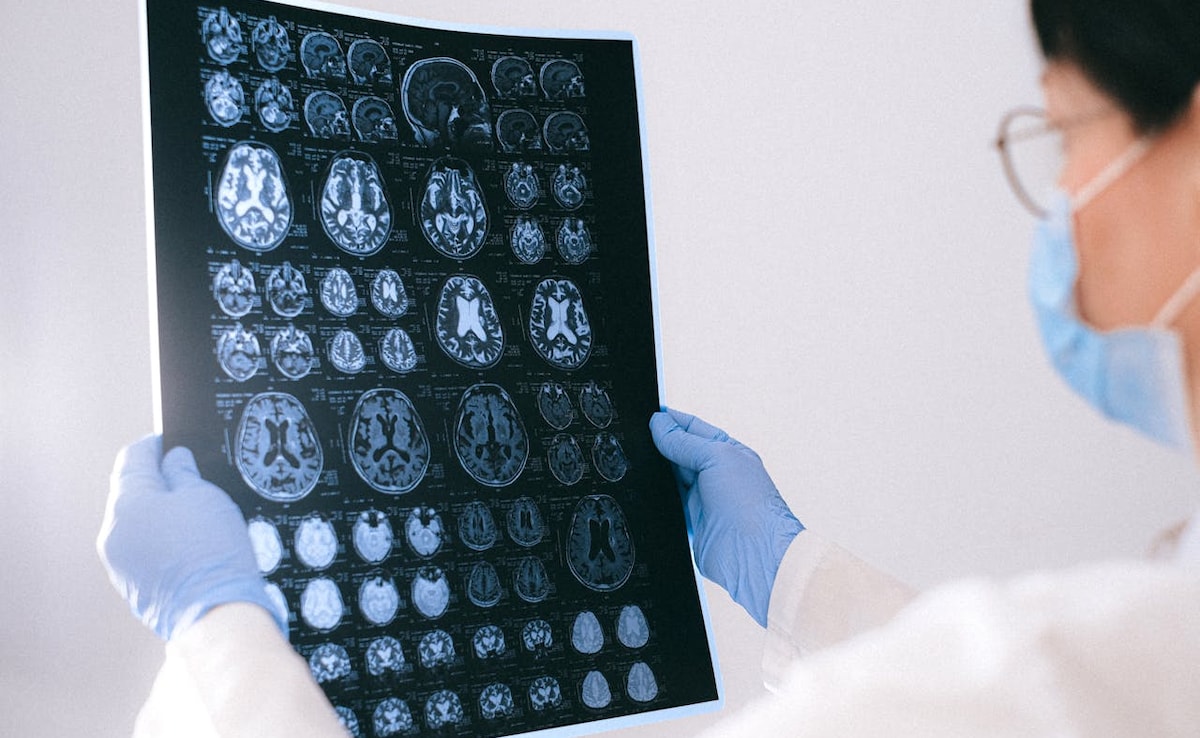
An NHS trust says serious failures in care led to 20 brain tumour patients receiving unnecessary chemotherapy over several years. A report finds patients were harmed by treatment that should not have been given, prompting an apology and renewed scrutiny of how specialist cancer care is overseen and reviewed.
New federal organ donation rules now require a five-minute wait after circulation stops before organs can be recovered in donation after circulatory death cases. The changes also give families a pause option, tightening safeguards after cases in which patients appeared to show signs of life during the donation process.
Medicare’s standard Part B premium will rise to $209.40 a month in 2027, as higher projected healthcare spending pushes costs upward for enrollees. The update also comes with deductible increases, highlighting the continuing pressure that medical inflation places on older Americans and the federal insurance program that covers them.
Researchers find that AI-generated hospital discharge summaries can receive higher clinical quality scores than versions written by doctors. The study suggests large language models may help improve the clarity and completeness of patient handover documents, though it also adds to the debate over how far clinical writing should be automated.
A new survey-based report suggests many young people are turning to AI not just as a tool but as a social companion, with about a third of Gen Z respondents saying they rely on it for friendship. The findings sharpen questions about loneliness, digital habits and the health effects of substituting chatbots for human support.
A long-term study tracking older adults for roughly 30 years finds that persistent loneliness, rather than occasional loneliness, is linked to a substantially higher risk of dementia. The research strengthens the case that chronic social isolation is a meaningful health risk with consequences that can emerge decades later.
A new study suggests GLP-1 obesity drugs such as Wegovy may help children as young as six lose weight, extending evidence for use in younger patients. The findings are likely to intensify debate over when powerful anti-obesity medicines should be used in childhood and how broadly doctors should prescribe them.



Top Health stories
- NHS trusts disclose 3,000+ incidents of staff snooping on patient records (6 sources)
- Nearly 100 Adelaide children potentially exposed to tuberculosis after childcare worker diagnosis (5 sources)
- Medicare Part B premium rises to $209.40 for 2027 amid higher projected healthcare spending (4 sources)
- Study finds growing use of AI as social companion among young people (3 sources)
- Voy told to stop testosterone test kit adverts over misleading claims (2 sources)
- National Medical Commission proposes tighter ethical rules for animal experiments in medical research (2 sources)
- DepEd launches AI app to screen young learners for learning and speech risks in 15 minutes (2 sources)
- Pharmacist Urges People Taking Fluoxetine to Note Safety Steps (2 sources)
Blake Byline
Author at IfHighLow