Health news today centers on the strain between medical innovation and basic care: fast-moving advances in obesity and rare-disease treatment sit alongside fresh drug-safety warnings and persistent gaps in rehabilitation and winter support. At the same time, public health systems...
Health news today centers on the strain between medical innovation and basic care: fast-moving advances in obesity and rare-disease treatment sit alongside fresh drug-safety warnings and persistent gaps in rehabilitation and winter support. At the same time, public health systems are testing new ways to cut harm and costs for patients.
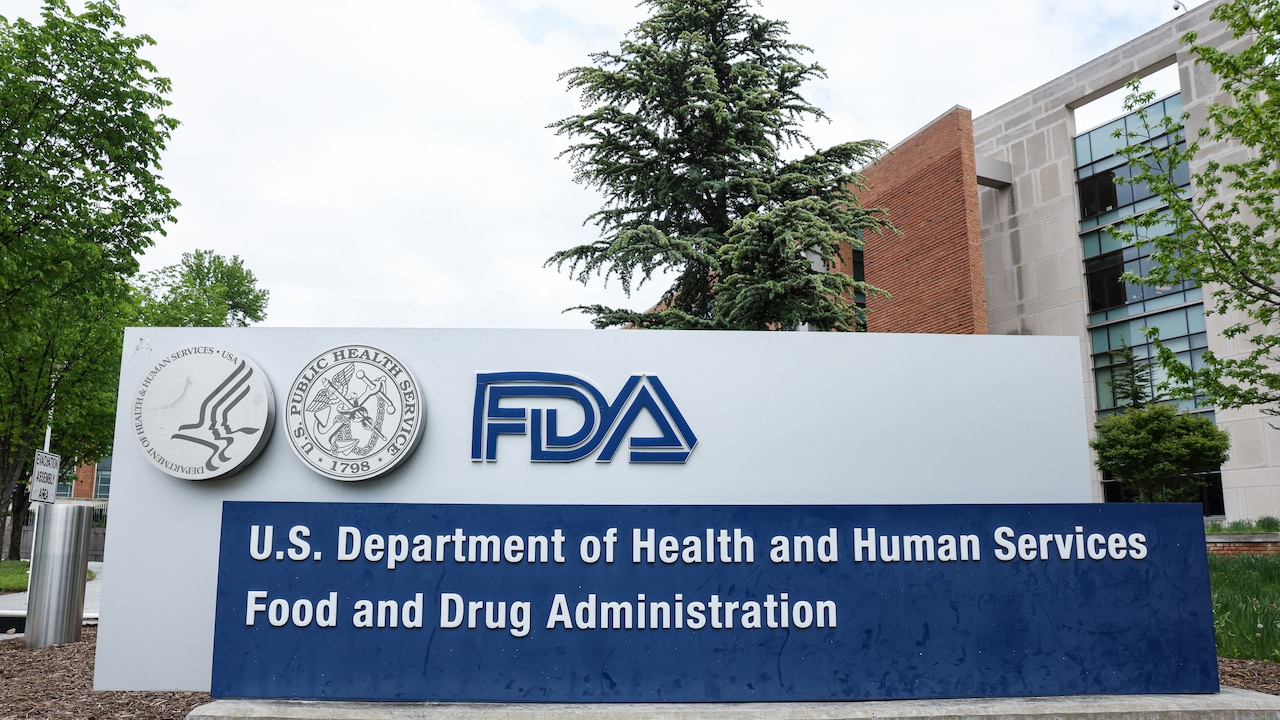
The FDA orders new label warnings for GLP-1 drugs used for diabetes and weight loss after concerns about a rare eye condition, non-arteritic anterior ischemic optic neuropathy. The condition can cause sudden vision loss that may be permanent, adding a significant safety note to one of the most widely used and fastest-growing classes of medicines.
A Stroke Association report finds that only about 6% of stroke survivors receive enough rehabilitation therapy to give them the best chance of recovery. The findings point to major shortfalls in access to physical and mental rehabilitation, leaving many patients without the level of support the NHS says they should get.
The government unveils a £40 million winter scheme to support up to 300,000 vulnerable patients through general practice. The plan aims to help more people stay well at home and avoid hospital admission, as health services prepare for colder months and recurring seasonal pressure on urgent and emergency care.
Eli Lilly says its daily GLP-1 pill, Foundayo, improves obstructive sleep apnea in late-stage trials. The results suggest the drug may extend the reach of obesity medicines beyond weight loss and diabetes, potentially offering a pill-based treatment option for a condition that disrupts breathing repeatedly during sleep.
Revised prices for 1,364 anti-cancer drug formulations take effect in India, in a move intended to reduce costs for patients. The new maximum retail prices were set through the country’s pharmaceuticals pricing framework and are meant to improve affordability of a large range of cancer medicines.
Scotland opens its first local drug-checking service in Glasgow, allowing adults to submit drug samples for testing. The service is designed to reduce harm from illicit substances by giving users clearer information about what is in them, with the broader goal of preventing overdoses and drug-related deaths.
Early trial results point to a possible new treatment for stiff person syndrome, a rare autoimmune condition that affects the central nervous system. The disorder causes muscle rigidity and painful spasms, and with no cure currently available, even preliminary signs of an effective therapy mark a notable development.
A new study finds daily cannabis use in Britain is more common among middle-aged adults than among younger people. Adults in their 40s and 50s are about twice as likely as those aged 18 to 24 to use cannabis every day, challenging assumptions that heavier regular use is concentrated in the youngest age groups.




Top Health stories
- FDA orders new warning labels for GLP-1 drugs over rare NAION vision-loss risk (11 sources)
- Government unveils £40m GP support for 300,000 vulnerable patients this winter (4 sources)
- Eli Lilly’s GLP-1 pill Foundayo improves obstructive sleep apnea in late-stage trials (4 sources)
- Scotland launches first drug-checking service in Glasgow (4 sources)
- Trials suggest a new treatment for stiff person syndrome, linked to Céline Dion (3 sources)
- Revised pricing for 1,364 anti-cancer medicines takes effect, expected to cut costs (3 sources)
- Stroke Association report finds only around 6% of survivors get enough rehabilitation therapy (2 sources)
- Committee to inspect MIMS for proposed 100-bed Jayadeva cardiac centre in Mandya (2 sources)
Archie Vance
Author at IfHighLow