Public health risks dominate the day’s health news, from a sharp resurgence of vaccine-preventable disease to new warnings about environmental exposures, heat and consumer products. At the same time, regulators and researchers are advancing vaccines and fresh lines of inquiry int...
Public health risks dominate the day’s health news, from a sharp resurgence of vaccine-preventable disease to new warnings about environmental exposures, heat and consumer products. At the same time, regulators and researchers are advancing vaccines and fresh lines of inquiry into long-term disease risk.
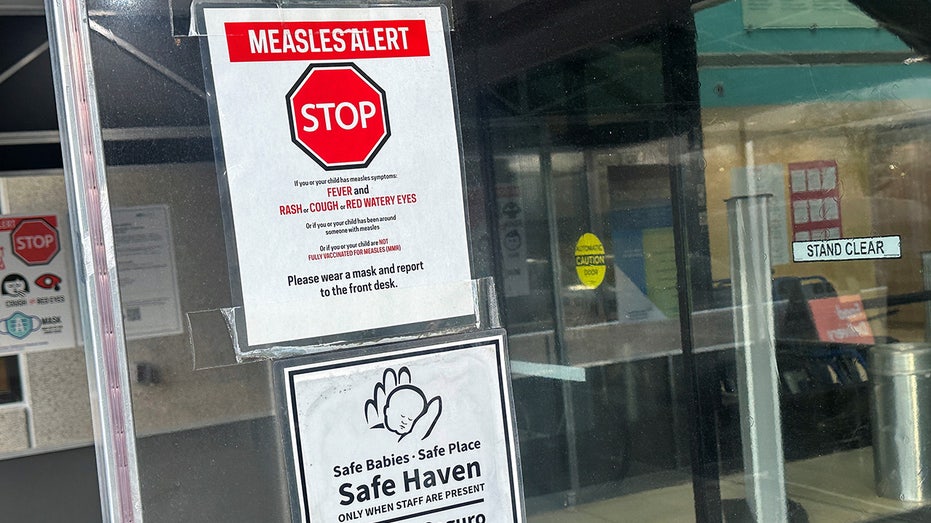
US measles cases climb to 5,182 in 2026, making this the country’s worst year for the disease in 35 years. The new CDC tally marks a steep jump from last year and underscores a major resurgence of a highly contagious illness that had once been pushed to very low levels in the United States.
Canada authorizes two Moderna vaccines for adults 50 and older: an mRNA influenza shot and a combined flu-COVID-19 vaccine. The decision expands options ahead of respiratory virus season and signals further regulatory acceptance of combination vaccines designed to protect against multiple circulating threats with a single dose.
Researchers link two PFAS “forever chemicals” to higher rates of aggressive, estrogen receptor-negative breast cancer. The findings center on contaminants found in drinking water and in blood measurements, adding to concerns that long-lasting industrial chemicals may contribute to serious disease risk years after exposure.
Zimbabwe’s health ministry warns that extreme heat can cause severe illness and death, urging people to limit exposure and take precautions during very high temperatures. The alert highlights growing health risks tied to heat, especially for vulnerable groups, as prolonged hot conditions strain the body and can quickly become dangerous.
A new study examines how past use of contraceptive pills and hormone replacement therapy may relate to Alzheimer’s disease risk in women. The research points to potentially important links for a large group of patients, though it adds to an evolving field rather than settling the question of how hormone exposure affects later brain health.
A family is urgently seeking a stem cell donor for their baby, Ellis, who has Wiskott-Aldrich syndrome, a rare inherited blood disorder that mainly affects boys. A transplant could be life-saving, turning the family’s appeal into a reminder of how dependent some children with rare diseases are on matching donors.
Telehealth provider Doctor Anywhere reports a data breach affecting some users and says it is contacting those impacted. The company states that clinical records are not involved, but the incident adds to continuing concerns over how health-related platforms protect personal information when cyberattacks or unauthorized access occur.
The Philippine FDA issues a consumer warning on squishy toys, saying some products may contain hazardous substances and should be bought and used with care. The advisory broadens health scrutiny beyond medicines and food to everyday items that children handle closely and may squeeze, smell or place near the mouth.





Top Health stories
- US measles cases surpass 5,000 for first time in decades, CDC reports (6 sources)
- Family pleads for stem cell donor to help baby with rare Wiskott-Aldrich syndrome (3 sources)
- ‘Forever chemicals’ linked to higher risk of aggressive, ER-negative breast cancer (3 sources)
- FDA issues safety reminders on squishy toys amid concerns about hazardous substances (2 sources)
- FDA approves Rybrevant Faspro for head and neck cancer (2 sources)
- Doctor Anywhere reports data breach; says clinical records are not affected (2 sources)
- Zimbabwe health ministry warns of deadly heat risks amid extreme temperatures (2 sources)
- Health minister orders pause on Phone First triage cuts in Northern Ireland (2 sources)
Cora Content
Author at IfHighLow